Setolac 300 ER Tablets


1.0 Name of the medicinal product
S-(+)-Etodolac Prolonged-Release Tablets 300 mg
2.0 Qualitative and quantitative composition
Each Prolonged-Release film coated tablet contains:
S-(+)-Etodolac 300 mg
Excipients q.s
3.0 Dosage form and strength
Tablet, 300 mg
4.0 Clinical Particulars
4.1 Therapeutic indication
For the relief of pain and inflammation in patients with rheumatoid arthritis and osteoarthritis.
4.2 Posology and method of administration
Undesirable effects may be minimised by using the lowest effective dose for the shortest duration necessary to control symptoms.
Adults: One tablet daily.
The safety of doses in excess of 300mg per day has not been established. No occurrence of tolerance or tachyphylaxis has been reported.
Elderly: No change in initial dosage is generally required in the elderly.
The elderly population are at increased risk of the serious consequences of adverse reactions. If an NSAID is considered necessary, the lowest effective dose should be used and for the shortest possible duration. The patient should be monitored regularly for GI bleeding during NSAID therapy.
Paediatric population: Not recommended.
Method of administration: For oral administration.
To be taken preferably with or after food. Swallow the tablet whole with a glass of water.
4.3 Contraindications
- Hypersensitivity to the active substance or to any of the excipients.
- Setolac 300 ER Tablets should not be used in patients with severe heart failure.
- Setolac 300 ER Tablets should not be used in patients with active or history of recurrent peptic ulceration or a history of peptic ulcer disease (with two or more distinct episodes of proven ulceration or bleeding).
- NSAIDs are contraindicated in patients who have previously shown hypersensitivity reactions (e.g. asthma, rhinitis angioedema or urticaria) during therapy with ibuprofen, aspirin or other non-steroidal anti-inflammatory drugs.
- Severe heart failure, hepatic failure and renal failure
- During the last trimester of pregnancy
- History of gastrointestinal bleeding or perforation, related to previous NSAIDs therapy.
4.4 Special warnings and precautions for use
Undesirable effects may be minimised by using the lowest effective dose for the shortest duration necessary to control symptoms.
The use of Setolac 300 ER Tablets with concomitant NSAIDs including cyclooxygenase-2-selective inhibitors should be avoided.
Elderly:
The elderly people have an increased frequency of adverse reactions to NSAIDs especially gastrointestinal bleeding and perforation which may be fatal.
Cardiovascular and cerebrovascular effects:
Appropriate monitoring and advice are required for patients with a history of hypertension and/or mild to moderate congestive heart failure as fluid retention and oedema have been reported in association with NSAID therapy.
Clinical trial and epidemiological data suggest that use of some NSAIDs (particularly at high doses and in long term treatment) may be associated with a small increased risk of arterial thrombotic events (for example myocardial infarction or stroke). There are insufficient data to exclude such a risk for Setolac 300 ER Tablets.
Patients with uncontrolled hypertension, congestive heart failure, established ischaemic heart disease, peripheral arterial disease, and/or cerebrovascular disease should only be treated with Setolac 300 ER Tablets after careful consideration. Similar consideration should be made before initiating longer-term treatment of patients with risk factors for cardiovascular disease (e.g. hypertension, hyperlipidaemia, diabetes mellitus, smoking).
Respiratory disorders:
Caution is required if Setolac 300 ER Tablets is administered to patients suffering from, or with a previous history of, bronchial asthma since NSAIDs have been reported to precipitate bronchospasm in such patients.
Cardiovascular, Renal and Hepatic Impairment:
In patients with renal, cardiac or hepatic impairment especially those taking diuretics and the elderly, renal function should be monitored in these patients. Caution is required since the use of NSAIDs may result in a dose dependent reduction in prostaglandin formation and precipitate renal failure. The dose should be kept as low as possible. However, impairment of renal or hepatic functions due to other causes may alter drug metabolism; patients receiving concomitant long term therapy, especially the elderly, should be observed for potential side effects and their drug doses adjusted as needed, or the drug discontinued.
Gastrointestinal bleeding, ulceration and perforation:
Serious gastrointestinal adverse effects such as bleeding, ulceration and perforation, which can be fatal, has been reported and can occur at any time with or without warning symptoms in patients treated with NSAIDs or a previous history of serious GI events. If any sign of gastrointestinal bleeding occurs, Setolac 300 ER Tablets should be stopped immediately.
Platelets:
Although non-steroidal anti-inflammatory drugs do not have the same direct effects on platelets as does aspirin, all drugs which inhibit the biosynthesis of prostaglandins may interfere, to some extent, with platelet function. Patients receiving Setolac 300 ER Tablets who may be adversely affected by such actions should be carefully observed.
Patients on long-term treatment with Setolac 300 ER Tablets should be regularly reviewed as a precautionary measure e.g. for changes in, renal function, haematological parameters, or hepatic function.
The risk of GI bleeding, ulceration or perforation is higher with increasing NSAID doses, in patients with a history of ulcer, particularly if complicated with haemorrhage or perforation, and in the elderly. These patients should commence treatment on the lowest dose available. Combination therapy with protective agents (e.g. misoprostol or proton pump inhibitors) should be considered for these patients, and also for patients requiring concomitant low dose aspirin, or other drugs likely to increase gastrointestinal risk.
Patients with a history of GI toxicity, particularly when elderly, should report any unusual abdominal symptoms (especially GI bleeding) particularly in the initial stages of treatment.
Caution should be advised in patients receiving concomitant medications which could increase the risk of ulceration or bleeding, such as oral corticosteroids, anticoagulants such as warfarin, selective serotonin-reuptake inhibitors or anti-platelet agents such as aspirin.
When GI bleeding or ulceration occurs in patients receiving Etodolac, the treatment should be withdrawn.
NSAIDs should be given with care to patients with a history of gastrointestinal disease (ulcerative colitis, Crohn's disease) as these conditions may be exacerbated.
SLE and mixed connective tissue disease:
In patients with systemic lupus erythematous (SLE) and mixed connective tissue disorders there may be an increased risk of aseptic meningitis.
Dermatological:
Serious skin reactions, some of them fatal, including exfoliative dermatitis, Stevens-Johnson syndrome, and toxic epidermal necrolysis, have been reported very rarely in association with the use of NSAIDs (see section 4.8). Patients appear to be at highest risk for these reactions early in the course of therapy: the onset of the reaction occurring in the majority of cases within the first month of treatment. Setolac 300 ER Tablets should be discontinued at the first appearance of the skin rash, mucosal lesions, or any other sign of hypersensitivity.
4.5 Drug interactions
Since Setolac 300 ER Tablets is extensively protein-bound, it may be necessary to modify the dosage of other highly protein-bound drugs.
Other analgesics including cyclooxygenase-2 selective inhibitor: Avoid concomitant use of two or more NSAIDs (including aspirin) as this may increase the risk of adverse effects (see section 4.4)
Anti-hypertensives: Reduced anti-hypertensive effect
Diuretics: Reduced diuretic effect. Diuretics can increase the risk of nephrotoxicity of NSAIDs.
Cardiac glycosides: NSAIDs may exacerbate cardiac failure, reduce GFR and increase plasma glycoside levels.
Lithium: Decreased elimination of lithium
Methotrexate: Decreased elimination of methotrexate
Ciclosporin: Increased risk of nephrotoxicity
Anti-coagulants: NSAIDs may enhance the effects of anti-coagulants, such as warfarin (see section 4.4)
Anti-platelet agents: and selective serotonin reuptake inhibitors (SSRIs): Increased risk of gastrointestinal bleeding (see section 4.4)
Tacrolimus: Possible increased risk of nephrotoxicity when NSAIDs are given with tacrolimus.
Zidovudine: Increased risk of haematological toxicity when NSAIDs are given with zidovudine. There is a evidence of an increased risk of haemarthroses and haemtoma in HIV(+) haemophiliacs receiving concurrent treatment with zidovudine and ibuprofen.
Bilirubin tests can give a false positive result due to the presence of phenolic metabolites of Setolac 300 ER Tablets in the urine.
Mifepristone: NSAIDs should not be used for 8-12 days after mifepristone administration as NSAIDs can reduce the effect of mifepristone.
Corticosteroids: increased risk of gastrointestinal ulceration or bleeding (see section 4.4)
Quinolone antibiotics: animal data indicate that NSAIDs can increase the risk of convulsions associated with quinolone antibiotics. Patients taking NSAIDs and quinolones may have an increased risk of developing convulsions.
4.6 Use in special populations (such as pregnant women, lactating women, paediatric patients, geriatric patients etc.)
Fertility:
The use of Setolac 300 ER Tablets may impair female fertility and is not recommended in woman attempting to conceive. In women who have difficulties conceiving or who are undergoing investigation of infertility, withdrawal of Setolac 300 ER Tablets should be considered.
Pregnancy:
Drugs which inhibit prostaglandin biosynthesis may cause dystocia and delayed parturition as evidenced by studies in pregnant animals.
Congenital abnormalities have been reported in association with NSAID administration in man; however, these are low in frequency and do not appear to follow any discernible pattern. In view of the known effects of NSAIDs on the foetal cardiovascular system, some inhibitors of prostaglandin biosynthesis have been shown to interfere with the risk of closure of the ductus arteriosus, use in the last trimester of pregnancy is contraindicated. The onset of labour may be delayed and the duration increased with an increased bleeding tendency in both mother and child.
From the 20th week of pregnancy onward, etodolac use may cause oligohydramnios resulting from foetal renal dysfunction. This may occur shortly after treatment initiation and is usually reversible upon discontinuation. In addition, there have been reports of ductus arteriosus constriction following treatment in the second trimester, most of which resolved after treatment cessation. Therefore, during the first and second trimester of pregnancy, etodolac should not be given unless clearly necessary. If etodolac is used by a woman attempting to conceive, or during the first and second trimester of pregnancy, the dose should be kept as low and duration of treatment as short as possible. Antenatal monitoring for oligohydramnios and ductus arteriosus constriction should be considered after exposure to etodolac for several days from gestational week 20 onward. Etodolac should be discontinued if oligohydramnios or ductus arteriosus constriction are found.
During the third trimester of pregnancy, all prostaglandin synthesis inhibitors may expose the foetus to:
- cardiopulmonary toxicity (premature constriction/closure of the ductus arteriosus and pulmonary hypertension);
- renal dysfunction (see above);
the mother and the neonate, at the end of pregnancy, to:
- possible prolongation of bleeding time, an anti-aggregating effect which may occur even at very low doses.
- inhibition of uterine contractions resulting in delayed or prolonged labour.
Consequently, etodolac is contraindicated during the third trimester of pregnancy.
Lactation:
In limited studies so far available, NSAIDs can appear in breast milk in very low concentrations. NSAIDs should, if possible, be avoided when breastfeeding.
4.7 Effects on ability to drive and use machines
Setolac 300 ER can cause dizziness, drowsiness, fatigue or abnormal vision. Patients need to be aware of how they react to this medicine before driving or operating machines.
4.8 Undesirable effects
Oedema, hypertension and cardiac failure, have been reported in association with NSAID treatment. Clinical trial and epidemiological data suggest that use of some NSAIDs (particularly at high doses and in long term treatment) may be associated with an increased risk of arterial thrombotic events (for example myocardial infarction or stroke).
Gastrointestinal: Reported side effects include nausea, epigastric pain, diarrhoea, indigestion, heartburn, flatulence, abdominal pain, constipation, vomiting, ulcerative stomatitis, dyspepsia, haematemesis, melaena, rectal bleeding, exacerbation of colitis, vasculitis, headaches, dizziness, abnormal vision, pyrexia, drowsiness, tinnitus, rash, pruritus, fatigue, depression, insomnia, confusion, paraesthesia, tremor, weakness/malaise, dyspnoea, palpitations, bilirubinuria, hepatic function abnormalities and jaundice, urinary frequency, dysuria, angioedema, anaphylactoid reaction, photosensitivity, urticaria and Stevens-Johnson syndrome and Crohn's disease have been reported following administration. Less frequently, gastritis has been observed. Pancreatitis has been reported very rarely.
Hypersensitivity: Hypersensitivity reactions have been reported following treatment with NSAIDs. These may consist of (a) non-specific allergic reactions and anaphylaxis (b) respiratory tract reactivity comprising asthma, aggravated asthma, bronchospasm or dyspnoea, or (c) assorted skin disorders, including rashes of various types, pruritus, urticaria, purpura, angioedema and more rarely exfoliative and bullous dermatoses (including epidermal necrolysis and erythema multiforme).
Cardiovascular and cerebrovascular:
Oedema, hypertension and cardiac failure have been reported in association with NSAID treatment
Clinical trial and epidemiological data suggest that use of some NSAIDs (particularly at high doses and in long term treatment) may be associated with an increased risk of arterial thrombotic events (for example myocardial infarction or stroke).
Renal: Nephrotoxicity in various forms, including interstitial nephritis, nephrotic syndrome and renal failure.
Hepatic: abnormal liver function, hepatitis and jaundice
Neurological and special senses: Visual disturbances, optic neuritis, headaches, paraethesia, reports of aseptic meningitis (especially in patients with existing auto-immune disorders, such as systemic lupus erythematous, mixed connective tissue disease), with symptoms such as stiff neck, headache, nausea, vomiting, fever or disorientation (See section 4.4), depression, confusion, hallucinations, tinnitus, vertigo, dizziness, malaise, fatigue and drowsiness.
Haematological: Thrombocytopenia, neutropenia, agranulocytosis, aplastic anaemia and haemolytic anaemia.
Dermatological: Bullous reactions including Stevens Johnson Syndrome and Toxic Epidermal Necrolysis (very rare). Photosensitivity.
Reporting of side effects
- Reporting suspected adverse reactions after authorisation of the medicinal product is important. It allows continued monitoring of the benefit/risk balance of the medicinal product. Healthcare professionals are asked to report any suspected adverse reactions via email to: medico@zuventus.com
- Website: http://www.zuventus.co.in/safety.aspx
By reporting side effects, you can help provide more information on the safety of this medicine.
4.9 Overdose
(a) Symptoms
Symptoms include headache, nausea, vomiting, epigastric pain, gastrointaestinal bleeding, rarely diarrhoea, disorientation, excitation, coma, drowsiness, dizziness, tinnitus, fainting, occasionally convulsions. In cases of significant poisoning acute renal failure and liver damage are possible.
(b) Therapeutic measure
Patients should be treated symptomatically as required.
Within one hour of ingestion of a potentially toxic amount, activated charcoal should be considered. Alternatively, in adults, gastric lavage should be considered within one hour of indigestion of a potentially life-threatening overdose.
Good urine output should be ensured.
Renal and liver function should be closely monitored.
Patients should be observed for at least four hours after ingestion of potentially toxic amounts.
Frequent or prolonged convulsions should be treated with intravenous diazepam.
Other measures may be indicated by the patient's clinical condition.
The standard practices of gastric lavage, activated charcoal administration and general supportive therapy should be undertaken.
5.0 Pharmacological Properties
5.1 Mechanism of Action
Etodolac is a racemic mixture of [-] R- and [+] S-etodolac. As with other NSAIDs, it has been demonstrated in animals that the [+] S form is biologically active. S (+) Etodolac is the pharmacologically active component of racemate Etodolac. The anti-inflammatory, analgesic, and antipyretic activities of S (+) Etodolac have been observed to be due to inhibition of cyclooxygenase-2 (COX-2) resulting in inhibition of prostaglandin synthesis.
5.2 Pharmacodynamic properties
Inhibition of prostaglandin synthesis and COX-2 selectivity: All non-steroidal anti-inflammatory drugs (NSAIDs) have been shown to inhibit the formation of prostaglandins. It is this action which is responsible both for their therapeutic effects and some of their side-effects. The inhibition of prostaglandin synthesis observed with etodolac differs from that of other NSAIDs. In an animal model at an established anti-inflammatory dose, cytoprotective PGE concentration in the gastric mucosa have been shown to be reduced to a lesser degree and for a shorter period than other NSAIDs. This finding is consistent with subsequent in-vitro studies which have found etodolac to be selective for induced cyclo-oxygenase 2 (COX-2, associated with inflammation) over COX-1 (cytoprotective).
Furthermore, studies in human cell models have confirmed that etodolac is selective for the inhibition of COX-2.
The clinical benefit of preferential COX-2 inhibition over COX-1 has yet to be proven.
Anti-inflammatory effects: Experiments have shown etodolac to have marked anti-inflammatory activity, being more potent than several clinically established NSAIDs.
5.3 Pharmacokinetic properties
The systemic availability of etodolac from etodolac extended-release tablets is generally greater than 80%.
Etodolac does not undergo significant first-pass metabolism following oral administration. After oral administration of etodolac 300 mg extended-release tablets the Mean peak plasma concentration (Cmax) was 3.943mcg/ml. The Mean Tmax was 2.89 h.
The mean apparent volume of distribution (Vd/F) of etodolac following administration of etodolac extended-release tablets is 566 mL/kg.
Etodolac is more than 99% bound to plasma proteins, primarily to albumin, and is independent of etodolac concentration over the dose range studied.
The mean oral clearance of etodolac following oral etodolac extended-release tablets dosing is 47 (±17) mL/h/kg. The primary route of excretion is through urine, mostly in the form of metabolites.
The elimination half-life (T1/2) averages 7 hours in man.
6.0 Nonclinical properties
6.1 Animal Toxicology or Pharmacology
Not Available
7.0 Description
(S)-etodolac is the S-enantiomer of etodolac. It is a preferential inhibitor of cyclo-oxygenase 2 and a non-steroidal anti-inflammatory, whereas the enantiomer, (R)-etodolac, is inactive. The racemate is commonly used for the treatment of rheumatoid arthritis and osteoarthritis, and for the alleviation of postoperative pain. It has a role as a cyclooxygenase 2 inhibitor and a non-narcotic analgesic. It is an enantiomer of a (R)-etodolac.
Chemical Name: 2-[(1S)-1,8-diethyl-4,9-dihydro-3H-pyrano[3,4-b]indol-1-yl]acetic acid
Molecular Formula: C17H21NO3
Molecular Weight: 287.35 g/mol
Structure:

8.0 Pharmaceutical particulars
8.1 List of excipients
Lactose Monohydrate, Hypromellose, Dibasic Calcium Phosphate Dihydrate, Povidone, Polyethylene Glycol 6000, Talc, Colloidal Silicon Dioxide, Magnesium Stearate, Hypromellose, Titanium Dioxide, Propylene Glycol Sodium Lauryl Sulfate, Colour Lake Indigo Carmine
8.2 Incompatibilities
None
8.3 Shelf life
24 Months
8.4 Special precautions for storage
Store in a cool, dry & dark place.
Keep out of reach of children.
8.5 Nature and contents of container
Setolac 300ER: 1x10T, ALU-ALU Blister
8.6 Special precautions for disposal and other handling
Any unused product or waste material should be disposed of in accordance with local requirements.
9.0 Patient Counselling Information
Patients should be informed of the following information before initiating therapy with an NSAID and periodically during the course of ongoing therapy. Patients should also be encouraged to read the NSAID Medication Guide that accompanies each prescription dispensed.
1. Setolac 300 ER Tablets, like other NSAIDs, may cause serious CV side effects, such as MI or stroke, which may result in hospitalization and even death. Although serious CV events can occur without warning symptoms, patients should be alert for the signs and symptoms of chest pain, shortness of breath, weakness, slurring of speech, and should ask for medical advice when observing any indicative sign or symptoms. Patients should be apprised of the importance of this follow-up.
2. Setolac 300 ER Tablets, like other NSAIDs, can cause GI discomfort and, rarely, serious GI side effects, such as ulcers and bleeding, which may result in hospitalization and even death. Although serious GI tract ulcerations and bleeding can occur without warning symptoms, patients should be alert for the signs and symptoms of ulcerations and bleeding, and should ask for medical advice when observing any indicative sign or symptoms including epigastric pain, dyspepsia, melena, and hematemesis. Patients should be apprised of the importance of this follow-up.
3. Setolac 300 ER Tablets, like other NSAIDs, can cause serious skin side effects such as exfoliative dermatitis, SJS, and TEN, which may result in hospitalizations and even death. Although serious skin reactions may occur without warning, patients should be alert for the signs and symptoms of skin rash and blisters, fever, or other signs of hypersensitivity such as itching, and should ask for medical advice when observing any indicative signs or symptoms. Patients should be advised to stop the drug immediately if they develop any type of rash and contact their physicians as soon as possible.
4. Patients should promptly report signs or symptoms of unexplained weight gain or edema to their physicians.
5. Patients should be informed of the warning signs and symptoms of hepatotoxicity (e.g., nausea, fatigue, lethargy, pruritus, jaundice, right upper quadrant tenderness, and “flu-like” symptoms). If these occur, patients should be instructed to stop therapy and seek immediate medical therapy.
6. Patients should be informed of the signs of an anaphylactoid reaction (e.g., difficulty breathing, swelling of the face or throat). If these occur, patients should be instructed to seek immediate emergency help.
7. In late pregnancy, the third trimester, as with other NSAIDs, Setolac 300 ER Tablets should be avoided because it may cause premature closure of the ductus arteriosus
About leaflet
Read all of this leaflet carefully before you start taking this medicine because it contains important information for you.
- Keep this leaflet. You may need to read it again.
- If you have any further questions, please ask your doctor or pharmacist.
- This medicine has been prescribed for you. Do not pass it on to others. It may harm them, even if their signs of illness are the same as yours.
- If you get any side effects, talk to you doctor or pharmacist. This includes any possible side effects not listed in this leaflet. See section 4.
What is in this leaflet:
- What Setolac 300 ER Tablets is and what it is used for
- What you need to know before you take Setolac 300 ER Tablets
- How to take Setolac 300 ER Tablets
- Possible side effects
- How to store Setolac 300 ER Tablets
- Contents of the pack and other information
1. What Setolac 300 ER Tablets is and what it is used for
Setolac 300 ER Tablets is used to treat the symptoms of rheumatoid arthritis and osteoarthritis by reducing inflammation, swelling, stiffness, and joint pain. Each tablet contains 300mg of the active ingredient S-Etodolac. S-Etodolac is the pharmacologically active component of racemate Etodolac. In this tablet, the medicine is released slowly which means that you only have to take one tablet each day.
Setolac 300 ER Tablets is one of a group of medicines called "non-steroidal anti-inflammatory drugs" (NSAIDs) which are usually taken to relieve the pain, stiffness, inflammation and swelling which is often associated with arthritis.
2. What you need to know before you take Setolac 300 ER Tablets
DO NOT take Setolac 300 ER Tablets if you:
- are allergic to etodolac or any of the other ingredients of this medicine (listed in section 6)
- have severe heart failure
- a peptic ulcer (a small erosion or hole in the stomach or duodenum) or bleeding in your stomach, or have had two or more episodes of peptic ulcers, stomach bleeding or perforation.
- have had an allergic reaction or asthmatic type reaction (e.g., wheezing, itching or skin rash) after taking aspirin, Setolac 300 ER Tablets or another NSAID
- have hepatic failure and renal failure
- are pregnant, think you may be pregnant or are breast feeding
- have previously taken similar medicines classed as NSAIDs and suffered with bleeding from the stomach or bowel.
Warnings and precautions
Talk to your doctor or pharmacist before taking Setolac 300 ER Tablets.
- If you suffer from kidney, heart or liver disease, or a blood disorder, especially if you are also taking diuretics (water tablets). The dose should be as low as possible and you should have regular checks
- If you are already on long-term therapy with a medicine other than Setolac 300 ER Tablets, since your doctor will want to arrange regular check-ups, especially if you are elderly
- If you suffer from fluid retention, (swelling of legs, ankles or feet)
- If you suffer from high blood pressure or heart failure
- If you suffer from, or have ever suffered from, asthma or breathing difficulties
- If you have heart problems, previous stroke or think that you might be at risk of these conditions (for example if you have high blood pressure, diabetes or high cholesterol or are a smoker)
Medicines such as Setolac 300 ER Tablets may be associated with a small increased risk of heart attack (myocardial infarction) or stroke. Any risk is more likely with high doses and prolonged treatment. Do not exceed the recommended dose or duration of treatment.
If you have heart problems, previous stroke or think that you might be at risk of these conditions (for example if you have high blood pressure, diabetes or high cholesterol or are a smoker) you should discuss your treatment with your doctor or pharmacist.
Serious gastrointestinal side effects such as bleeding, ulceration and perforation can occur at any time with or without warning symptoms in patients treated with NSAIDs. If any sign of gastrointestinal bleeding occurs, Setolac 300 ER Tablets should be stopped immediately.
Children
Setolac 300 ER Tablets is not recommended for use in children.
Other medicines and Setolac 300 ER Tablets
Tell your doctor if you are taking, have recently taken or might take any other medicines.
Tell your doctor if you are taking:
- warfarin - for blood thinning
- ciclosporin - following transplantation
- digoxin - for heart problems
- lithium - for mental illness
- methotrexate - used to treat conditions such as psoriasis or rheumatoid arthritis
- corticosteroids (such as prednisolone)
- quinolone antibiotics e.g. ciprofloxacin
- aspirin
- other NSAIDs e.g., ibuprofen, naproxen, diclofenac
- drugs to control high blood pressure
- mifepristone (a drug to induce abortion) in the last 12 days
If you have a blood or urine test, tell your doctor that you are taking Setolac 300 ER Tablets, as the drug may affect the results.
Pregnancy, breast-feeding and fertility
If you are pregnant or breast-feeding, think you may be pregnant or are planning to have a baby, ask your doctor or pharmacist for advice before taking this medicine.
You should inform your doctor if you have problems becoming pregnant. NSAIDs may make it more difficult to become pregnant.
Do not take Setolac 300 ER Tablets if you are in the last 3 months of pregnancy as it could harm your unborn child or cause problems at delivery. It can cause kidney and heart problems in your unborn baby. It may affect your and your baby’s tendency to bleed and cause labour to be later or longer than expected. You should not take Setolac 300 ER Tablets during the first 6 months of pregnancy unless absolutely necessary and advised by your doctor. If you need treatment during this period or while you are trying to get pregnant, the lowest dose for the shortest time possible should be used. If taken for more than a few days from 20 weeks of pregnancy onward, Setolac 300 ER Tablets can cause kidney problems in your unborn baby that may lead to low levels of amniotic fluid that surrounds the baby (oligohydramnios) or narrowing of a blood vessel (ductus arteriosus) in the heart of the baby. If you need treatment for longer than a few days, your doctor may recommend additional monitoring.
Setolac 300 ER Tablets should not be used if you are breast-feeding. It is not known if this medicine passes into breast milk. It is not recommended for use during breast-feeding unless considered essential by your doctor.
Driving and using machines
Setolac 300 ER Tablets may cause dizziness, drowsiness, or abnormal vision. If you find that you are affected in this way, you should not drive or operate machinery whilst taking Setolac 300 ER Tablets.
3. How to take Setolac 300 ER Tablets
Always take Setolac 300 ER Tablets exactly as your doctor told you. Check with your doctor or pharmacist if you are not sure. Check the pharmacist's label for the dose recommended for you.
The recommended adult dose is one Setolac 300 ER tablet a day. The tablet should be swallowed whole with a glass of water. Take with or after food. Do not chew or crush the tablet. Setolac 300 ER Tablets is not recommended for use in children.
If you take more Setolac 300 ER Tablets than you should
If you take more tablets than you should (an overdose), seek medical attention immediately. Always take the bottle (or packaging) with you, even if empty. Symptoms of overdose include headache, feeling sick, vomiting, stomach pain, passing blood in faeces or passing black tarry stools. On rare occasions diarrhoea, disorientation, excitation, coma, drowsiness, dizziness, ringing in the ears, fainting, and convulsive fitting may occur. In cases of significant overdose kidney failure and liver damage are possible.
If you forget to take Setolac 300 ER Tablets
Do not take a double dose to make up for the forgotten dose. Take your tablet as soon as you remember and continue to take your medicine as usual, but do not take more than one tablet a day.
4. Possible side effects
Like all medicines, this medicine can cause side effects, although not everybody gets them.
The most serious side effects that may occur with Setolac 300 ER Tablets are serious allergic or hypersensitivity reactions, heart failure, stroke, kidney failure, liver failure, inflammation of the pancreas and aseptic meningitis. If you suffer from any of the symptoms described below: stop taking Setolac 300 ER Tablets and call a doctor straight away.
Allergic or hypersensitivity reactions may have the following symptoms:
- wheezing, difficulty breathing or shortness of breath,
- swelling of the face, lips, mouth or tongue,
- extensive rash, peeling or blistering of the skin, continuous itching.
Heart and blood circulatory disorders symptoms:
- Chest pain, high blood pressure, swelling of the ankles, palpitations (throbbing of heart), several types of anaemia or other blood disorders, unexpected bruising and bleeding.
Stomach and bowel (gastrointestinal) problems: If you
- Pass blood in your faeces (stools/motions)
- Pass black tarry stools.
- Vomit any blood or dark particles that look like coffee grounds.
Kidney failure symptoms:
- Difficulty or pain when passing urine, discolouration of urine or urinating more or less often than usual.
Liver failure and inflammation of the pancreas symptoms:
- Jaundice (yellowing of the eyes or skin), abdominal pain, abnormal liver function test results.
Aseptic Meningitis symptoms
A serious rare condition known as aseptic meningitis may occur in patients with other auto-immune conditions such as systemic lupus erythematosus or mixed connective tissue disease.
The symptoms of aseptic meningitis are:
- a very high temperature, being sick, a headache, a blotchy rash that does not fade when a glass is rolled over it (this may not develop), a stiff neck, a dislike of bright lights, drowsiness and fits.
Other reported side effects are:
- Sensory disorders such as headache, ringing or buzzing in ears, dizziness, abnormal vision, hallucinations, tingling, pricking and burning of the skin (pins and needles) and vertigo (a sensation that objects are moving or spinning). .
- Gastrointestinal problems such as mouth ulcers, sore mouth, nausea, vomiting, stomach upsets, diarrhoea, constipation, wind, heartburn, indigestion.
- Skin disorders such as swelling of tissues, itching of the skin, rash, redness. General disorders such as fever, drowsiness, tiredness, weakness, sleeplessness, shaking, nervousness, depression, confusion.
If any of the side effects become serious, or if you notice any side effects not listed in this leaflet, please tell your doctor or pharmacist.
Reporting of side effects
If you get any side effects, talk to your doctor. This includes any possible side effects not listed in this leaflet. You can also report side effects directly: Website: www.zuventus.co.in and click the tab “Safety Reporting” located on the top of the home page.
By reporting side effects, you can help provide more information on the safety of this medicine.
5. How to store Setolac 300 ER Tablets
Keep this medicine out of the sight and reach of children.
Setolac 300 ER Tablets should be kept at room temperature (below 250C).
Do not use Setolac 300 ER Tablets after the expiry date which is stated on the carton after “EXP”. The expiry date refers to the last day of that month.
Do not throw away any medicines via wastewater or household waste. Ask your pharmacist how to throw away medicines you no longer use. These measures will help protect the environment.
6. Contents of the pack and other information
What Setolac 300 ER Tablets contains
The active ingredient is S-(+)-Etodolac 300 mg.
For More Information About This Product
SETOLAC ® -MR
1.0 Name of the medicinal product
S (+) Etodolac & Thiocolchicoside Tablets [200 mg + 4 mg]
2.0 Qualitative and quantitative composition
Each Film-coated tablet contains:
S (+) Etodolac 200 mg
Thiocolchicoside IP 4 mg
Excipients q.s.
Colours: Yellow Oxide of Iron & Titanium Dioxide IP
3.0 Dosage form and strength
Tablet
200 mg of S (+) Etodolac and 4 mg of Thiocolchicoside
4.0 Clinical Particulars
4.1 Therapeutic indication
For the treatment of patients with acute painful musculoskeletal conditions.
4.2 Posology and method of administration
Adults: One tablet two times daily orally.
Paediatric population: Not recommended.
Method of administration: For oral administration.
To be taken preferably with or after food. Swallow the tablet whole with a glass of water.
4.3 Contraindications
- Patients with known hypersensitivity to S (+) Etodolac and/or Thiocolchicoside.
- Pregnancy and lactation.
- Women of childbearing potential who are not using effective contraception.
- Patients who have experienced asthma, urticaria, or allergic-type reactions after taking aspirin or other NSAIDs.
- Setolac®-MR Tablets should not be used in patients with active or history of recurrent peptic ulceration or a history of peptic ulcer disease.
- Setolac®-MR tablet is not recommended for pediatric use.
4.4 Special warnings and precautions for use
Undesirable effects may be minimised by using the lowest effective dose for the shortest duration necessary to control symptoms.
The use of Setolac®-MR Tablets with concomitant NSAIDs including cyclooxygenase-2-selective inhibitors should be avoided.
Seizures
Thiocolchicoside may precipitate seizures, especially in patients with epilepsy or those at risk for seizures. Thiocolchicoside should not be administered to individuals prone to seizures.
Cardiovascular and Cerebrovascular Effects
COX-2 selective and non-selective NSAIDs have shown an increased risk of serious cardiovascular (CV) thrombotic events, myocardial infarction, and stroke, which can be fatal. Patients with known CV disease or risk factors for CV disease may be at greater risk. To minimize the potential risk for adverse CV events in patients treated with an NSAID, the lowest effective dose should be used for the shortest duration possible. NSAIDs, including Etodolac, should be used with caution in patients with hypertension. Blood pressure (BP) should be monitored closely during the initiation of NSAID treatment and throughout therapy. Fluid retention and edema have been observed in some patients taking NSAIDs. Setolac®-MR tablets should be used with caution in patients with fluid retention or heart failure.
Pre-existing Asthma
Patients with asthma may have Aspirin-sensitive asthma. Since cross reactivity, including bronchospasm, between Aspirin and other NSAIDs has been reported in such Aspirin-sensitive patients, Setolac®-MR tablets should not be administered to patients with this form of Aspirin sensitivity and should be used with caution in patients with pre-existing asthma.
Renal Effects
Long-term administration of NSAIDs has resulted in renal papillary necrosis and other renal injury. In these patients, administration of a NSAID may cause a dose-dependent reduction in prostaglandin formation and, secondarily, in renal blood flow, which may precipitate overt renal decompensation. Patients at greatest risk of this reaction are those with impaired renal function, heart failure, liver dysfunction, those taking diuretics and ACE inhibitors, and the elderly. No information is available from controlled clinical studies regarding the use of S (+) Etodolac in patients with advanced renal disease. Therefore, treatment with Setolac®-MR tablets is not recommended in these patients with advanced renal disease.
Hepatic Effects
Borderline elevations of one or more liver tests may occur in up to 15% of patients taking NSAIDs including S (+) Etodolac. Setolac®-MR tablets should be used with caution in patients with hepatocellular insufficiency or non-cirrhotic alcoholic liver disease. Impairment of renal or hepatic functions due to other causes may alter drug metabolism; patients receiving concomitant long-term therapy, especially the elderly, should be observed for potential side effects and their drug doses adjusted as needed, or the drug discontinued.
Post-marketing cases of cytolytic and cholestatic hepatitis have been reported with Thiocolchicoside. Severe cases (i.e. fulminant hepatitis) have been reported in patients concomitantly taking NSAIDs or paracetamol. Patients should be advised to report any sign of liver toxicity.
Gastrointestinal Effects
NSAIDs, including Etodolac, can cause serious gastrointestinal (GI) adverse events including inflammation, bleeding, ulceration, and perforation of the stomach, small intestine, or large intestine, which can be fatal. Setolac®-MR tablets should be prescribed with extreme caution to those with a prior history of ulcer disease or gastrointestinal bleeding. To minimize the potential risk for an adverse GI event in patients, the lowest effective dose should be used for the shortest possible duration. Most spontaneous reports of fatal GI events are in elderly or debilitated patients and therefore, special care should be taken in treating this population.
Hematological Effects
Anemia is sometimes seen in patients receiving NSAIDs, including Etodolac, due to fluid retention, occult or gross GI blood loss, or an incompletely described effect upon erythropoiesis. Patients on long-term treatment with NSAIDs, including Etodolac, should have their hemoglobin or hematocrit checked if they exhibit any signs or symptoms of anemia. NSAIDs inhibit platelet aggregation and have been shown to prolong bleeding time in some patients. Patients receiving Setolac®-MR tablets who may be adversely affected by alterations in platelet function, such as those with coagulation disorders or patients receiving anticoagulants, should be carefully monitored.
SLE and mixed connective tissue disease:
In patients with systemic lupus erythematosus (SLE) and mixed connective tissue disorders, there may be an increased risk of aseptic meningitis.
Dermatological:
Serious skin reactions, some of them fatal, including exfoliative dermatitis, Stevens-Johnson syndrome, and toxic epidermal necrolysis, have been reported very rarely in association with the use of NSAIDs (see section 4.8). Patients appear to be at the highest risk for these reactions early in the course of therapy: the onset of the reaction occurs in the majority of cases within the first month of treatment. Tablets should be discontinued at the first appearance of the skin rash, mucosal lesions, or any other sign of hypersensitivity.
Anaphylactoid Reactions
As with other NSAIDs, anaphylactoid reactions may occur in patients without known prior exposure to Etodolac. Setolac®-MR tablets should not be given to patients with the aspirin triad.
Teratogenicity/Embryofoetotoxicity
In preclinical studies, one of the thiocolchicoside metabolites (SL59.0955) induced aneuploidy (i.e. unequal number of chromosomes in dividing cells) at concentrations close to human exposure observed at doses 8 mg twice daily per os. Aneuploidy is reported as a risk factor for teratogenicity, embryo-fetotoxicity/spontaneous abortion, cancer, and impaired male fertility. As a precautionary measure, use of this product at doses exceeding the recommended dose or long-term use should be avoided.
Other Precautions
- S (+) Etodolac cannot be expected to substitute corticosteroids or to treat corticosteroid insufficiency. Abrupt discontinuation of corticosteroids may lead to disease exacerbation.
- The pharmacological activity of Setolac®-MR in reducing fever and inflammation may diminish the utility of these diagnostic signs in detecting complications of presumed non-infectious, painful conditions.
- Setolac®-MR tablets should be used with caution in patients with severe renal insufficiency (creatinine clearance 30 mL/min), Glucose-6-Phosphate Dehydrogenase (G6PD) deficiency, chronic alcoholism, excessive alcohol intake (3 or more alcoholic drinks every day), anorexia, bulimia or cachexia; chronic malnutrition (low reserves of hepatic glutathione), dehydration, and hypovolemia.
- In case of diarrhea, the treatment with Thiocolchicoside should be stopped.
4.5 Drug interactions
ACE inhibitors: Reports suggest that NSAIDs may diminish the antihypertensive effect of ACE-inhibitors. This interaction should be given consideration in patients taking NSAIDs concomitantly with ACE inhibitors.
Aspirin: When Etodolac is administered with Aspirin, its protein binding is reduced, although the clearance of free Etodolac is not altered.
Other analgesics including cyclooxygenase-2 selective inhibitor: Avoid concomitant use of two or more NSAIDs (including aspirin) as this may increase the risk of adverse effects (see section 4.4)
Anti-hypertensives: Reduced anti-hypertensive effect
Diuretics: Etodolac can reduce the natriuretic effect of furosemide and thiazides in some patients with possible loss of blood pressure control. Caution should be paid to the concomitant intake of enzyme-inducing agents.
Cardiac glycosides: NSAIDs may exacerbate cardiac failure, reduce GFR and increase plasma glycoside levels.
Lithium: NSAIDs have produced an elevation of plasma Lithium levels and a reduction in renal Lithium clearance. These effects have been attributed to inhibition of renal prostaglandin synthesis by the NSAID. Thus, when NSAIDs and Lithium are administered concurrently, subjects should be observed, carefully for signs of Lithium toxicity.
Cyclosporin, Digoxin, Methotrexate: Etodolac, like other NSAIDs, through effects on renal prostaglandins, may cause changes in the elimination of these drugs leading to elevated serum levels of Cyclosporine, Digoxin, Methotrexate, and increased toxicity. Nephrotoxicity associated with Cyclosporine may also be enhanced.
Anti-coagulants: NSAIDs may enhance the effects of anti-coagulants, such as warfarin.
Anti-platelet agents and selective serotonin reuptake inhibitors (SSRIs): Increased risk of gastrointestinal bleeding.
Tacrolimus: Possible increased risk of nephrotoxicity when NSAIDs are given with tacrolimus.
Zidovudine: Increased risk of haematological toxicity when NSAIDs are given with zidovudine. There is an evidence of an increased risk of haemarthroses and haemtoma in HIV (+) haemophiliacs receiving concurrent treatment with zidovudine and ibuprofen.
Bilirubin tests can give a false positive result due to the presence of phenolic metabolites of Setolac®-MR Tablets in the urine.
Mifepristone: NSAIDs should not be used for 8-12 days after mifepristone administration as NSAIDs can reduce the effect of mifepristone.
Corticosteroids: increased risk of gastrointestinal ulceration or bleeding.
Quinolone antibiotics: animal data indicate that NSAIDs can increase the risk of convulsions associated with quinolone antibiotics. Patients taking NSAIDs and quinolones may have an increased risk of developing convulsions.
Phenylbutazone: Phenylbutazone causes an increase (by about 80%) in the free fraction of Etodolac though the clinical implication of the same is not known.
Chloramphenicol: Increased plasma concentration of chloramphenicol.
4.6 Use in special populations
Fertility:
The use of Setolac®-MR Tablets may impair female fertility and is not recommended in women attempting to conceive. In women who have difficulties conceiving or who are undergoing investigation of infertility, withdrawal of Setolac®-MR Tablets should be considered.
Pregnancy:
In teratology studies, isolated occurrences of alterations in limb development were found and included polydactyly, oligodactyly, syndactyly, and unossified phalanges in rats and oligodactyly and synostosis of metatarsals in rabbits.
Drugs which inhibit prostaglandin biosynthesis may cause dystocia and delayed parturition as evidenced by studies in pregnant animals.
Congenital abnormalities have been reported in association with NSAID administration in man; however, these are low in frequency and do not appear to follow any discernible pattern. In view of the known effects of NSAIDs on the foetal cardiovascular system, some inhibitors of prostaglandin biosynthesis have been shown to interfere with the risk of closure of the ductus arteriosus, use in the last trimester of pregnancy is contraindicated. The onset of labour may be delayed and the duration increased with an increased bleeding tendency in both mother and child.
From the 20th week of pregnancy onward, etodolac use may cause oligohydramnios resulting from foetal renal dysfunction. This may occur shortly after treatment initiation and is usually reversible upon discontinuation. In addition, there have been reports of ductus arteriosus constriction following treatment in the second trimester, most of which resolved after treatment cessation. Therefore, during the first and second trimester of pregnancy, etodolac should not be given unless clearly necessary. If etodolac is used by a woman attempting to conceive, or during the first and second trimester of pregnancy, the dose should be kept as low and duration of treatment as short as possible. Antenatal monitoring for oligohydramnios and ductus arteriosus constriction should be considered after exposure to etodolac for several days from gestational week 20 onward. Etodolac should be discontinued if oligohydramnios or ductus arteriosus constriction are found.
During the third trimester of pregnancy, all prostaglandin synthesis inhibitors may expose the fetus to:
- cardiopulmonary toxicity (premature constriction/closure of the ductus arteriosus and pulmonary hypertension);
- renal dysfunction (see above);
the mother and the neonate, at the end of pregnancy, to:
- possible prolongation of bleeding time, an anti-aggregating effect which may occur even at very low doses.
- inhibition of uterine contractions resulting in delayed or prolonged labor. Consequently, etodolac is contraindicated during the pregnancy.
Studies of Thiocolchicoside conducted in animals have shown reproductive toxicity including teratogenic effects. There are insufficient clinical data to evaluate the safety of use in pregnancy. Thus, the potential hazards for the embryo and fetus are unknown. In consequence, Thiocolchicoside is contraindicated in pregnancy and women of childbearing potential who are not using effective contraception.
Lactation:
Since it passes into the mother's milk, the use of Thiocolchicoside is contraindicated during breast feeding. Many drugs are excreted in human milk and because of the potential for serious adverse reactions in nursing infants from S (+) Etodolac, a decision should be made whether to discontinue nursing or to discontinue the drug taking into account the importance of the drug to the mother.
Setolac®-MR Tablets are contraindicated in lactating mothers.
Pediatric use:
Safety and effectiveness in pediatric patients below the age of 18 years have not been established.
Geriatric use:
As with any NSAID, caution should be exercised in treating the elderly (65 years and older) and when increasing the dose. Elderly patients may be more sensitive to the anti-prostaglandin effects of NSAIDs (on the gastrointestinal tract and kidneys) than younger patients. In particular, elderly or debilitated patients who receive NSAID therapy seem to have a lower tolerance for gastrointestinal ulceration or bleeding as compared to other individuals, and most spontaneous reports of fatal GI events are in this population. S (+) Etodolac is eliminated primarily by the kidney. Because elderly patients are more likely to have decreased renal function, care should be taken in dose selection, and it may be useful to monitor renal function.
4.7 Effects on the ability to drive and use machines
There is no data available regarding the effect of Setolac®-MR on driving vehicles and using machines. It may cause dizziness or somnolence. So, you should not drive or operate heavy machinery if you feel dizzy or not fully alert.
4.8 Undesirable effects
Most frequently reported adverse reactions (approx. 1 - 10%):
Gastrointestinal experiences including abdominal pain, constipation, diarrhea, dyspepsia, flatulence, gross bleeding / perforation, heartburn, nausea, GI ulcers (gastric / duodenal), vomiting.
Other events including: abnormal renal function, anemia, dizziness, edema, elevated liver enzymes, headaches, increased bleeding time, pruritis, rashes, tinnitus.
Additional NSAID Adverse Experiences Reported Occasionally with
Body as a whole: Allergic skin reactions, anaphylactic / anaphylactoid reactions (including shock), chills, fever, sepsis.
Digestive system: diarrhea, nausea, vomiting, anorexia, cholestatic hepatitis / jaundice, dry mouth, duodenitis, esophagitis, gastritis, gastric peptic ulcers, glossitis, hepatic failure, hepatitis, hematemesis, intestinal ulceration, jaundice, liver necrosis, melena, pancreatitis, rectal bleeding, stomatitis. Less frequently, gastritis has been observed. Pancreatitis has been reported very rarely.
Hypersensitivity: Hypersensitivity reactions have been reported following treatment with NSAIDs. These may consist of (a)non-specific allergic reactions and anaphylaxis (b)respiratory tract reactivity comprising asthma, aggravated asthma, bronchospasm or dyspnoea, or (c)assorted skin disorders, including rashes of various types, pruritus, urticaria, purpura, angioedema and more rarely exfoliative and bullous dermatoses (including epidermal necrolysis and erythema multiforme).
Cardiovascular and cerebrovascular:
Congestive heart failure, flushing, palpitations, tachycardia, syncope, vasculitis (including necrotizing and allergic). Oedema, hypertension and cardiac failure have been reported in association with NSAID treatment Clinical trial and epidemiological data suggest that use of some NSAIDs (particularly at high doses and in long term treatment) may be associated with an increased risk of arterial thrombotic events (for example myocardial infarction or stroke).
Hepatic: Abnormal liver function, cytolytic and cholestatic hepatitis and jaundice
Metabolic and nutritional: hyperglycaemia in previously controlled diabetic patients.
Neurological and special senses: Visual disturbances, somnolence, photophobia, blurred vision, optic neuritis, headaches, paraesthesia, reports of aseptic meningitis (especially in patients with existing auto-immune disorders, such as systemic lupus erythematous, mixed connective tissue disease), with symptoms such as stiff neck, headache, nausea, vomiting, fever or disorientation, depression, confusion, hallucinations, tinnitus, vertigo, dizziness, malaise, fatigue, and drowsiness. Anxiety, confusion, depression, dream abnormalities, insomnia, nervousness, paresthesia, somnolence, tremors, vertigo. Syncope vasovagal, convulsions may be seen with Thiocolchicoside.
Blood and lymphatic system: Agranulocytosis, ecchymosis, eosinophilia, hemolytic anemia, leukopenia, neutropenia, pancytopenia, purpura, thrombocytopenia and aplastic anaemia.
There have been reports of blood dyscrasias including methaemoglobenaemia and agranulocytosis, but these were not necessarily causality related to paracetamol.
Respiratory system: Asthma, dyspnea, pulmonary infiltration with eosinophilia.
Dermatological: Bullous reactions including Stevens Johnson Syndrome and Toxic Epidermal Necrolysis (very rare). Photosensitivity. Angioedema, cutaneous vasculitis with purpura, erythema multiforme, hyperpigmentation, sweating, urticaria, vesiculobullous rash.
Urogenital system: Dysuria, elevated BUN, oliguria / polyuria, proteinuria, renal failure, renal insufficiency, renal papillary necrosis, serum creatinine increase, urinary frequency, Nephrotoxicity in various forms, including interstitial nephritis, nephrotic syndrome.
Anaphylactic reactions: Uncommon: pruritus, Rare: urticaria, Unknown: angioneurotic edema,
Reporting of side effects
Reporting suspected adverse reactions after authorisation of the medicinal product is important. It allows continued monitoring of the benefit/risk balance of the medicinal product. Healthcare professionals are asked to report any suspected adverse reactions via
email to: medico@zuventus.com
Website: http://www.zuventus.co.in/safety.aspx
By reporting side effects, you can help provide more information on the safety of this medicine.
4.9 Overdose
Etodolac
Symptoms include headache, nausea, vomiting, epigastric pain, gastrointestinal bleeding, rarely diarrhea, disorientation, excitation, coma, drowsiness, dizziness, tinnitus, fainting, and occasionally convulsions. In cases of significant poisoning acute renal failure and liver damage are possible.
Management: Patients should be treated symptomatically as required. Within one hour of ingestion of a potentially toxic amount, activated charcoal should be considered. Alternatively, in adults, gastric lavage should be considered within one hour of indigestion of a potentially life-threatening overdose. Good urine output should be ensured. Renal and liver function should be closely monitored. Patients should be observed for at least four hours after ingestion of potentially toxic amounts. Frequent or prolonged convulsions should be treated with intravenous diazepam. Other measures may be indicated by the patient's clinical condition. The standard practices of gastric lavage, activated charcoal administration, and general supportive therapy should be undertaken.
Thiocolchicoside
No specific symptoms of overdose have been reported in patients treated with Thiocolchicoside. Management Should overdosage occur, medical supervision and symptomatic measures are recommended.
5.0 Pharmacological Properties
5.1 Mechanism of Action
S (+) Etodolac is the pharmacologically active component of racemate Etodolac. The anti-inflammatory, analgesic, and antipyretic activities of S (+) Etodolac have been observed to be due to the inhibition of cyclooxygenase-2 (COX-2) resulting in the inhibition of prostaglandin synthesis.
Thiocolchicoside is a sulfur-containing, semi-synthetic analog of colchicine, a natural colchicum glucoside found in “meadow-saffron” which behaves pharmacologically as a muscle relaxant, both in humans and in animals. It is a muscle relaxant with anti-inflammatory and analgesic effects. It eliminates or substantially decreases centrally originating muscle contracture: in spastic hypertonia, it reduces the muscle’s passive resistance to stretching and decreases, or removes, the residual contracture. Its muscle-relaxing effect can also be observed in the visceral muscles: it has, in particular, been demonstrated in the uterus. However, Thiocolchicoside has no curariform effect, since it acts through the central nervous system rather than paralyzing the muscle’s motor plaque.
5.2 Pharmacodynamic properties
Etodolac
Inhibition of prostaglandin synthesis and COX-2 selectivity: All non-steroidal anti-inflammatory drugs (NSAIDs) have been shown to inhibit the formation of prostaglandins. It is this action which is responsible both for their therapeutic effects and some of their side-effects. The inhibition of prostaglandin synthesis observed with etodolac differs from that of other NSAIDs. In an animal model at an established anti-inflammatory dose, cytoprotective PGE concentration in the gastric mucosa have been shown to be reduced to a lesser degree and for a shorter period than other NSAIDs. This finding is consistent with subsequent in-vitro studies which have found etodolac to be selective for induced cyclo-oxygenase 2 (COX-2, associated with inflammation) over COX-1 (cytoprotective).
Furthermore, studies in human cell models have confirmed that etodolac is selective for the inhibition of COX-2.
The clinical benefit of preferential COX-2 inhibition over COX-1 has yet to be proven.
Anti-inflammatory effects: Experiments have shown etodolac to have marked anti-inflammatory activity, being more potent than several clinically established NSAIDs.
Thiocolchicoside
Thiocolchicoside has a selective and potent affinity for g-aminobutyric acid A (GABA-A) receptors and acts on muscular contractures by activating the GABA inhibitory pathways thereby behaving as a potent muscle relaxant. GABA is the main inhibitory neurotransmitter in the human cortex. GABAergic neurons are involved in myorelaxation, anxiolytic treatment, sedation, and anesthetics. It also has an affinity for the inhibitory glycine receptors (i.e., has glycomimetic and GABA mimetic activity) and, therefore acts as a muscle relaxant. Glycine is an inhibitory neurotransmitter and acts as an allosteric regulator of NMDA (N-methyl-D-aspartate) receptors. It is involved in the processing of motor and sensory data, thereby regulating movement, vision, and audition. Inhibitory neurotransmitter in spinal cord, allosteric regulator of NMDA receptors. In one study, thiocolchicoside inhibited the function of recombinant human strychnine-sensitive glycine receptors composed of the alpha1 subunit with a potency (median inhibitory concentration of 47 micron) lower than that apparent with recombinant GABA(A) receptors. The drug also inhibited the function of human nicotinic acetylcholine receptors made of the alpha4 and beta2 subunits, however, this effect was partial and only apparent at high concentrations.
5.3 Pharmacokinetic properties
S (+) Etodolac is well absorbed and does not undergo significant first-pass metabolism following oral administration. The extent of absorption of S (+) Etodolac is not affected after a meal. Food intake, however, reduces the peak concentration reached by approximately one-half and increases the time to peak concentration.
Thiocolchicoside: After oral administration, no thiocolchicoside is detected in plasma. Only two metabolites are observed: The pharmacologically active metabolite SL18.0740 and an inactive metabolite SL59.0955.
| Parameters | S (+) Etodolac | Thiocolchicoside |
| Oral bioavailability | 80% | Not known |
| Cmax | 4.07 µg/ml | For SL18.0740 metabolite- 60 ng/mL For SL59.0955- 13 ng/mL |
| Tmax | 3.3 hr | 1 hour |
| Vd | Approx. 390 mL/kg | 42.7 L |
| Plasma protein binding | More than 99% | - |
| Half-life | 6.2 hr | After oral administration of thiocolchicoside, the SL18.0740 metabolites is eliminated with an apparent t1/2 ranging from 3.2 to 7 hours and the metabolite SL59.0955 has a half-life averaging 0.8h. |
| Metabolism | S (+) Etodolac is extensively metabolized in the liver. The metabolites include 6-, 7-, and 8-hydroxylated-etodolac and Etodolac glucuronide. | After oral administration, thiocolchicoside is first metabolized in the aglycon 3- demethyltiocolchicine or SL59.0955. It is then glucuroconjugated into SL18.0740 which has equipotent pharmacological activity to Thiocolchicoside and thus supports the pharmacological activity after oral administration of Thiocolchicoside. SL59.0955 is also demethylated into didemethyl-thiocolchicine. |
| Excretion | Approx. 72% of the dose excreted into urine as parent drug plus metabolite. Fecal excretion accounts for 16% of the dose. | After oral administration of radiolabelled thiocolchicoside, total radioactivity is mainly excreted in feces (79%) while urinary excretion represents only 20%. No unchanged thiocolchicoside is excreted either in urine or feces. SL18.0740 and SL59.0955 are found in urine and feces while the didemethyl-thiocolchicine is only recovered in feces. |
6.0 Nonclinical Properties
6.1 Animal Toxicology or Pharmacology
Etodolac: Not Available
Thiocolchicoside
Thiocolchicoside safety profile has been assessed in vitro and in vivo following parenteral and oral administration. Acute Toxicity- At higher doses, thiocolchicoside induced emesis in dog, diarrhea in rat and convulsions in both rodents and non-rodents after acute administration by oral route. Chronic Toxicity-Thiocolchicoside was well tolerated following oral administration for periods of up to 6 months in both the rat and the non-human primate when administered at repeated doses of less than or equal to 2mg/kg/day in the rat and less or equal to 2.5mg/kg/day in non-human primate, and by the intramuscular route in the primate at repeated doses upto 0.5mg/kg/day for 4 weeks. After repeated administration, thiocolchicoside induced gastrointestinal disorders (enteritis, emesis) by oral route and emesis by i.m. route. Carcinogenicity-The carcinogenic potential was not evaluated Genotoxicity Thiocolchicoside itself did not induce gene mutation in bacteria (Ames test), in vitro chromosomal damage (chromosome aberration test in human lymphocytes) and in vivo chromosomal damage (in vivo intraperitoneal micronucleus in mouse bone marrow) The major glucuro-conjugated metabolite SL18.0740 did not induce gene mutation in bacteria (Ames test); however it induced in vitro chromosomal damage (in vitro micronucleus test on human lymphocytes) and in vivo chromosomal damage (in vivo oral micronucleus test in mouse bone marrow). The micronuclei predominantly resulted from chromosome loss (centromere positive micronuclei after FISH centromere staining), suggesting aneugenic properties. The aneugenic effect of SL18.0740 was observed at concentrations in the in vitro test and at AUC plasma exposures in the in vivo test higher (> 10 times based on AUC) than those observed in human plasma at therapeutic doses. The aglycon metabolite (3-demethylthiocolchicine-SL59.0955) induced in vitro chromosomal damage (in vitro micronucleus test on human lymphocytes) and in vivo chromosomal damage (in vivo oral micronucleus test in rat bone marrow). The micronuclei predominantly resulted from chromosome loss (centromere positive micronuclei after FISH or CREST centromere staining), suggesting aneugenic properties. The aneugenic effect of SL59.0955 was observed at concentrations in the in vitro test and at exposures in the in vivo test close to those observed in human plasma at therapeutic doses of 8 mg twice daily per os.
Aneugenic effect in dividing cells may result in aneuploid cells. Aneuploidy is a modification in the number of chromosomes and loss of heterozygosity, which is recognized as a risk factor for teratogenicity, embryo-toxicity/spontaneous abortion, impaired male fertility, when impacting germ cells and cancer when impacting somatic cells
Teratogenicity.
In the rat, a dose of 12 mg/kg of thiocolchicoside caused major malformations along with foetotoxicity (retarded growth, embryo death, impairment of sex distribution rate). The dose without toxic effect was 3 mg/kg. In the rabbit, thiocolchicoside showed maternotoxicity starting from 24 mg/kg. Furthermore, minor abnormalities have been observed (supernumerary ribs, retarded ossification).
Impairment of Fertility
In a fertility study performed in rats, no impairment of fertility was seen at doses up to 12 mg/kg, i.e. at dose levels inducing no clinical effect. Thiocolchicoside and its metabolites exert aneugenic activity at different concentration levels, which is recognized as a risk factor for impairment of human male fertility.
7.0 Description
(S)-etodolac is the S-enantiomer of etodolac. It is a preferential inhibitor of cyclo-oxygenase 2 and a non-steroidal anti-inflammatory, whereas the enantiomer, (R)-etodolac, is inactive. The racemate is commonly used for the treatment of rheumatoid arthritis and osteoarthritis, and for the alleviation of postoperative pain.
Chemical Name: 2-[(1S)-1,8-diethyl-4,9-dihydro-3H-pyrano[3,4-b]indol-1-yl]acetic acid
Molecular Formula: C17H21NO3
Molecular Weight: 287.35 g/mol
Structure:

Thiocolchicoside is a semi-synthetic derivative of the colchicine, a natural anti-inflammatory glycoside. It is a muscle relaxant with anti-inflammatory and analgesic effects.
Chemical Name: N-[(7S)-1,2-dimethoxy-10-(methylthio)-9-oxo-3-[[(2S,3R,4S,5S,6R)-3,4,5-trihydroxy-6-(hydroxymethyl)-2-oxanyl]oxy]-6,7-dihydro-5H-benzo[a]heptalen-7-yl]acetamide is a glycoside.
Molecular Formula: C27H33NO10S
Molecular Weight: 563.6 g/mol
Structure:

8.0 Pharmaceutical particulars
8.1 Incompatibilities
None
8.2 Shelf life
Refer on the pack.
8.3 Packaging Information
10 Blister strips of 10 tablets each
8.4 Storage and handling instructions
Store below 30ºC. Protect from light and moisture. Keep out of reach of children. Tablets should be swallowed whole & not to be broken, chewed, or crushed. Any unused product or waste material should be disposed of in accordance with local requirements.
9.0 Patient Counselling Information
- Take it with food to avoid getting an upset stomach.
- The drug should be taken precisely as it has been prescribed. Meant for oral consumption, Setolac®-MR Tablet should be taken whole. Do not chew or crush it as it may reduce its effect on the body.
- It is best that you do not stop the medication mid-course as the pain may reoccur. Complete the entire treatment course for the best results.
- Avoid consuming alcohol when taking Setolac®-MR Tablet as it may cause excessive drowsiness and increase the risk of liver damage.
- Do not take it with any other medicine containing acetaminophen (drugs for pain/fever or cough and cold) without asking your doctor first.
About leaflet
Read all of this leaflet carefully before you start taking this medicine because it contains important information for you.
Keep this leaflet. You may need to read it again. If you have any further questions, please ask your doctor or pharmacist. This medicine has been prescribed for you. Do not pass it on to others. It may harm them, even if their signs of illness are the same as yours. If you get any side effects, talk to you doctor or pharmacist. This includes any possible side effects not listed in this leaflet. See section 4.
What is in this leaflet:
- What Setolac®-MR Tablets is and what it is used for
- What you need to know before you take Setolac®-MR Tablets
- How to take Setolac®-MR Tablets
- Possible side effects
- How to store Setolac®-MR Tablets
- Contents of the pack and other information
1. What Setolac®-MR Tablets is and what it is used for
Setolac®-MR is a combination of 200 mg of S (+) Etodolac and 4 mg of Thiocolchicoside.
S (+) Etodolac one of a group of medicines called "non-steroidal anti-inflammatory drugs" (NSAIDs) which are usually taken to relieve the pain, stiffness, inflammation and swelling which is often associated with arthritis. S (+) Etodolac is the pharmacologically active component of racemate Etodolac. S (+) Etodolac has anti-inflammatory, analgesic, and antipyretic activities.
Thiocolchicoside is a sulfur-containing, semi-synthetic analog of colchicine, which behaves pharmacologically as a muscle relaxant, both in humans and in animals. It is a muscle relaxant with anti-inflammatory and analgesic effects. It is used in adults and adolescents from 16 years onwards as an adjuvant treatment for painful muscular contractions. It is to be used for acute conditions related to spinal column.
Setolac®-MR tablets is used for the treatment of patients with acute painful musculoskeletal conditions. Acute painful musculoskeletal conditions refer to sudden and often severe pain and discomfort affecting the muscles, bones, joints, ligaments, or tendons. These conditions can arise from various causes such as injury, overuse, inflammation, or infection. Common examples include: Muscle sprains and strains, fractures, tendonitis, bursitis, muscle spasms, acute gout, Spondyloarthropathies.
2. What you need to know before you take Setolac®-MR Tablets
DO NOT take Setolac®-MR Tablets if you:
- If you are allergic to etodolac or thiocolchicoside or any of the other ingredients of this medicine (listed in section 6)
- If you are pregnant or are breast feeding.
- If you are women of childbearing potential who are not using effective contraception.
- If you have experienced asthma, urticaria, or allergic-type reactions after taking aspirin or other NSAIDs.
- If you have a peptic ulcer or history of recurrent peptic ulceration or a history of peptic ulcer disease.
Warnings and Precautions
Talk to your doctor or pharmacist before taking Setolac®-MR Tablets.
- If you have epilepsy or at risk for seizures.
- If you suffer from kidney, heart or liver disease (including alcoholic liver disease), or a blood disorder, especially if you are also taking diuretics (water tablets). The dose should be as low as possible and you should have regular checks.
- If you suffer from fluid retention (swelling of legs, ankles or feet)
- If you suffer from high blood pressure or heart failure
- If you suffer from, or have ever suffered from, asthma or breathing difficulties
- If you have heart problems, previous stroke or think that you might be at risk of these conditions (for example if you have high blood pressure, diabetes or high cholesterol or are a smoker).
- If you suffer from chronic alcoholism, excessive alcohol intake (3 or more alcoholic drinks every day), anorexia, bulimia or cachexia; chronic malnutrition (low reserves of hepatic glutathione), dehydration, and hypovolemia.
- If you have coagulation disorders or are receiving anticoagulants, hemoglobin or haematocrit should be carefully monitored.
- If you suffer from G-6-PD deficiency (a hereditary condition leading to low red blood cell counts).
- If you have systemic lupus erythematosus (SLE) and mixed connective tissue disorders.
Medicines such as Setolac®-MR Tablets may be associated with a small increased risk of heart attack (myocardial infarction) or stroke. Any risk is more likely with high doses and prolonged treatment. Do not exceed the recommended dose or duration of treatment.
Serious gastrointestinal side effects such as bleeding, ulceration and perforation can occur at any time with or without warning symptoms in patients treated with NSAIDs. If any sign of gastrointestinal bleeding occurs, Setolac®-MR Tablets should be stopped immediately.
Children
Setolac®-MR Tablets is not recommended for use in children.
Other medicines and Setolac®-MR Tablets
Tell your doctor if you are taking, have recently taken or might take any other medicines.
Tell your doctor if you are taking:
- ACE inhibitors
- Aspirin
- Other analgesics including cyclooxygenase-2 selective inhibitor
- Anti-hypertensive
- Diuretics
- Cardiac glycosides
- Lithium
- Cyclosporin, Digoxin, Methotrexate
- Anti-coagulants
- Anti-platelet agents and selective serotonin reuptake inhibitors (SSRIs)
- Tacrolimus
- Zidovudine
- Mifepristone
- Corticosteroids
- Quinolone antibiotics
- Phenylbutazone
- Chloramphenicol
Pregnancy, breast-feeding and fertility
If you are pregnant or breast-feeding, think you may be pregnant or are planning to have a baby, ask your doctor or pharmacist for advice before taking this medicine. You should inform your doctor if you have problems becoming pregnant. NSAIDs may make it more difficult to become pregnant.
Do not take Setolac®-MR Tablets if you are pregnant or women of childbearing potential who are not using effective contraception.
Setolac®-MR Tablets should not be used if you are breast-feeding. It is known to pass into the into breast milk. It is not recommended for use during breast-feeding.
Geriatric use
If you are elderly, select the dose carefully, and monitor renal function.
Driving and using machines
Setolac®-MR may cause dizziness or somnolence. So, you should not drive or operate heavy machinery if you feel dizzy or not fully alert.
3. How to take Setolac®-MR Tablets
Always take Setolac®-MR Tablets exactly as your doctor told you. Check with your doctor or pharmacist if you are not sure. Check the pharmacist's label for the dose recommended for you.
The recommended adult dose is one Setolac®-MR tablet twice a day.
The tablet should be swallowed whole with a glass of water. Take with or after food. Do not chew or crush the tablet. Setolac®-MR Tablets is not recommended for use in children.
If you take more Setolac®-MR Tablets than you should
If you take more tablets than you should (an overdose), seek medical attention immediately. Always take the bottle (or packaging) with you, even if empty. Symptoms of overdose include headache, feeling sick, vomiting, stomach pain, passing blood in faeces or passing black tarry stools. On rare occasions diarrhoea, disorientation, excitation, coma, drowsiness, dizziness, ringing in the ears, fainting, and convulsive fitting may occur. In cases of significant overdose kidney failure and liver damage are possible. In some cases, irregular heartbeat and inflammation of the pancreas is also reported.
If you forget to take Setolac®-MR Tablets-
Do not take a double dose to make up for the forgotten dose. Take your tablet as soon as you remember and continue to take your medicine as usual, but do not take more than one tablet a day.
4. Possible side effects
Like all medicines, this medicine can cause side effects, although not everybody gets them.
The most serious side effects that may occur with Setolac®-MR Tablets are serious allergic or hypersensitivity reactions, heart failure, stroke, kidney failure, liver failure, inflammation of the pancreas and aseptic meningitis. If you suffer from any of the symptoms described below: stop taking Setolac®-MR Tablets and call a doctor straight away.
Allergic or hypersensitivity reactions may have the following symptoms:
wheezing, difficulty breathing or shortness of breath, swelling of the face, lips, mouth or tongue
extensive rash, peeling or blistering of the skin, continuous itching.
Heart and blood circulatory disorders symptoms:
Chest pain, high blood pressure, swelling of the ankles, palpitations (throbbing of heart), several types of anaemia or other blood disorders, unexpected bruising and bleeding.
Stomach and bowel (gastrointestinal) problems:
If you Pass blood in your faeces (stools/motions) Pass black tarry stools.
Vomit any blood or dark particles that look like coffee grounds.
Kidney failure symptoms:
Difficulty or pain when passing urine, discolouration of urine or urinating more or less often than usual.
Liver failure and inflammation of the pancreas symptoms:
Jaundice (yellowing of the eyes or skin), abdominal pain, abnormal liver function test results.
Meningitis (swelling of covering of the brain) symptoms
A serious rare condition known as aseptic meningitis may occur in patients with other auto-immune conditions such as systemic lupus erythematosus or mixed connective tissue disease.
The symptoms of aseptic meningitis are:
a very high temperature, being sick, a headache, a blotchy rash that does not fade when a glass is rolled over it (this may not develop), a stiff neck, a dislike of bright lights, drowsiness and fits.
Other reported side effects are:
Sensory disorders such as headache, ringing or buzzing in ears, dizziness, abnormal vision, hallucinations, tingling, pricking and burning of the skin (pins and needles) and vertigo (a sensation that objects are moving or spinning).
Gastrointestinal problems such as mouth ulcers, sore mouth, nausea, vomiting, stomach upsets, diarrhoea, constipation, wind, heartburn, indigestion.
Skin disorders such as swelling of tissues, itching of the skin, rash, redness.
General disorders such as fever, drowsiness, tiredness, weakness, sleeplessness, shaking, nervousness, depression, confusion.
Rarely, Stevens-Johnson syndrome, and toxic epidermal necrolysis, a fatal skin reaction have been reported to occur.
If any of the side effects become serious, or if you notice any side effects not listed in this leaflet, please tell your doctor or pharmacist.
Reporting of side effects
If you get any side effects, talk to your doctor, pharmacist or nurse. This includes any possible side effects not listed in this leaflet. You can also report side effects directly: Website: www.zuventus.co.in and click the tab “Safety Reporting” located on the top end of the home page.
By reporting side effects, you can help provide more information on the safety of this medicine.
You can also report the side effect with the help of your treating physician
5. How to store Setolac®-MR Tablets
Keep out of reach of children. Protect from light and moisture. Setolac®-MR Tablets should be kept at room temperature (below 300C).
6. Contents of the pack and other information
What Setolac®-MR Tablets contains
Each uncoated tablet contains
S (+) Etodolac 200 mg
Thiocolchicoside IP 4 mg
Excipients q.s.
Colours: Yellow Oxide of Iron & Titanium Dioxide IP
What Setolac®-MR Tablets looks like and contents of the pack
10 blister strips of 10 tablets in each strip
For More Information About This Product
Polvolt
1.0 Generic name
Polmacoxib Capsules 2 mg
2.0 Qualitative and quantitative composition
Each hard gelatin capsule contains :
Polmacoxib 2 mg
Excipients q.s
Approved colours used in capsule shell
3.0 Dosage form and strength
Polmacoxib 2 mg capsules for oral use.
4.0 Clinical particulars
4.1 Therapeutic indications
Polmacoxib capsules is indicated for the treatment of idiopathic (primary) osteoarthritis of hip / knee.
4.2 Posology and method of administration
Adults
The recommended dose of Polmacoxib is 2 mg once daily after a meal, should not exceed 2 mg/day. If there is no therapeutic benefit at the recommended dose, administration of this drug should be discontinued and appropriate alternative treatment methods should be considered.
Patients with hepatic and renal impairment
This drug should not be administered because there is no administration experience.
Recommendations for use in cardiovascular disorders
The potential risks and benefits of Polamcoxib and other alternative therapies should be considered before administering Polmacoxib.
As the dose and duration of exposure increases, the risk of cardiovascular disease increases.
The efficacy of this drug for more than 6 weeks and the safety of long-term administration of more than 6 months have not been established, and adverse reactions such as hypertension, angina pectoris, and edema may occur when administering this drug.
Therefore, when administering this drug, the patient's symptom relief and response to treatment should be reevaluated regularly at least monthly.
4.3 Contraindications
- Patients who have a history of hypersensitivity reactions or a history of this drug and its components.
- Patients with allergic reactions to Sulfonamide.
- Patients with a history of asthma, acute rhinitis, nasal polyps, angioedema, urticaria or allergic reactions to Aspirin or other non-steroidal anti-inammatory drugs (including COX-2 inhibitors).
- Patients with uncontrolled hypertension (systolic blood pressure above 140 mmHg or higher and/or diastolic blood pressure above 90 mmHg or higher).
- Patients with edema or fluid retention.
- Patients with renal and hepatic impairment.
- Patients with active peptic ulcer or gastrointestinal bleeding.
- Patients with inflammatory bowel disease such as Crohn's disease or ulcerative colitis.
- Patients with congestive heart failure (NYHA II - IV).
- Established ischemic heart disease, peripheral arterial disease and/or cerebrovascular disease.
- Pregnant women or women who may be pregnant.
- Nursing mother.
- Treatment of pain before and after coronary artery bypass graft (CABG).
- Patients with hyperkalemia.
- Patients with a blood clotting disorder or receiving anticoagulants.
Carefully administer to the following patients
- Patients with bronchial asthma.
- Heart failure patients or patients with such a history of it.
- High blood pressure (hypertension) patients or patients with such a history of it.
- Patients with a history of edema.
- Patients taking diuretics or ACE inhibitors.
- Patients at risk of hypovolemia
- Dehydration patients.
- Elderly.
- Patients with a history of peptic ulcer or gastrointestinal bleeding.
- Patients with high risk factors for adverse cardiovascular events (such as heart attack, stroke, etc.) (e.g. high blood pressure, hyperlipidemia, diabetes, smoking, etc.) patients with cardiovascular system or a history.
- Patients with difficult metabolism by CYP3A4.
- Women planning pregnancy (taking this drug may impair female fertility).
- Diabetics.
4.4 Warnings and precautions
Warning
If a person who regularly drinks three or more drinks daily who needs to take this medicine or other antipyretic analgesics, they must consult a doctor or pharmacist. When these people take this drug, gastrointestinal bleeding can occur.
Cardiovascular risk
Non-steroidal anti-inflammatory analgesic drugs including Polmacoxib, may increase the risk of severe cardiovascular thrombosis, myocardial infarction and stroke which can be fatal. Depending on the duration of administration, dosage and underlying cardiovascular risk factors, these risks may be increased and may be more risky in patients with cardiovascular disease. To minimize the potential risk of adverse cardiovascular events in patients treated with Polmacoxib, it should be used for the shortest possible time at the minimum effective dose. Doctors and patients should carefully monitor the onset of these cardiovascular symptoms, even if there is no history of cardiovascular disease. Patients have signs and/or symptoms of significant cardiovascular toxicity and these symptoms (chest pain, shortness of breath, weakness, obscured pronunciation) it is important to know in advance what measures to take if this occurs. As a result of clinical trials of this drug, adverse reactions of prothrombin time prolongation have been reported, but this drug has not been studied for its action on platelets, so it cannot be used as a substitute for aspirin as a prophylactic treatment for the cardiovascular system.
Gastrointestinal risk
Non-steroidal anti-inflammatory drugs, including Polmacoxib, may increase the risk of serious gastrointestinal adverse events including gastric or intestinal bleeding, ulcers and perforation, which can be fatal. These adverse reactions can occur without warning symptoms during the administration period. Older people may be at greater risk of serious gastrointestinal adverse events. As the duration of administration increases, the likelihood of serious gastrointestinal adverse events may increase, but short-term administration does not completely exclude these risks. While taking Polmacoxib, you should carefully monitor for symptoms and signs of gastrointestinal ulcer or bleeding, and immediately if you suspect any suggestive symptoms or severe gastrointestinal adverse reactions, including pain, indigestion, black stools, and hematomes. Additional evaluation and treatment should be performed. In high-risk patients, alternative treatments not related to non-steroidal anti-inflammatory drugs should be considered.
Effect on clinical test values
- If symptoms or signs of anemia or blood loss appear due to long-term administration of this drug, hemoglobin or hematocrit test should be performed.
- Patients who take non-steroidal anti-inflammatory drugs, including this drug, for a long time should have regular complete blood count (CBC) and physical and chemical tests.
- Clinical examinations (urinalysis, blood tests, kidney function tests, liver function tests, electrocardiogram tests, fecal occult blood tests, etc.) should be performed regularly or as necessary, and if any abnormalities are confirmed, appropriate treatment such as withdrawal or suspension of administration should be performed.
- If clinical symptoms or systemic signs (e.g. eosinophilia, rash) associated with liver disease or renal disease are present, or abnormal liver function tests or renal function test results persist or worsen, administration of this drug should be discontinued.
Gastrointestinal adverse reactions
Extreme caution should be exercised when prescribing NSAIDs, including this drug, to patients with a history of ulcerative disease or gastrointestinal bleeding.
In patients with a history of peptic ulcer disease and/or gastrointestinal bleeding, the risk of gastrointestinal bleeding increased by more than 10-fold with NSAIDs compared to patients without these risk factors.
Other risk factors for increased gastrointestinal bleeding include concomitant use of oral corticosteroids or anticoagulants, concomitant use of non-steroidal anti-inflammatory drugs or aspirin, alcohol consumption, smoking, advanced age, and poor health.
Since most of the spontaneous reports of fatal gastrointestinal adverse events are in the elderly and infirm, special care should be taken when administering this drug to these patients.
Hypertension
Non-steroidal anti-inammatory drugs, including this drug, may cause hypertension or worsen existing hypertension, which may increase the incidence of adverse cardiovascular events, so patients with uncontrolled hypertension should not be administered.
Patients taking thiazide diuretics or loop diuretics may have a reduced response to these therapies when taking NSAIDs.
Non-steroidal anti-inflammatory drugs, including this drug, should be administered with caution in patients with high blood pressure. Blood pressure should be closely monitored at the beginning of administration and during the administration of this drug. If there is a significant increase in blood pressure during the administration of this drug, alternative treatment should be considered.
Congestive heart failure and edema
Fluid retention and edema have been observed in some patients taking NSAIDs, including this drug. This drug should not be given to patients with edema or fluid retention.
Inhibition of prostaglandin synthesis can cause deterioration of renal function and fluid retention, so this drug should be administered with caution in patients with a history of heart failure, left ventricular dysfunction, or hypertension.
In addition, patients who are taking diuretics or who are at risk of hypovolemia for other reasons should also be careful when administering this drug.
Long-term use of non-steroidal anti-inflammatory drugs including this drug may cause renal papillary necrosis or other kidney damage.
In addition, since the role of prostaglandins in maintaining renal blood flow is important, special care should be taken in patients with heart failure, patients with renal failure, patients with liver failure, patients receiving diuretic ACE inhibitors or angiotensin II receptor antagonists, and the elderly. When the medication is discontinued, most people return to their pre-treatment state.
Advanced renal disease
No controlled clinical trials have been conducted on the use of this drug in patients with advanced renal disease. Therefore, administration of this drug is not recommended for patients with advanced renal disease. If administration of this drug is to be initiated, the patient's renal function should be closely monitored.
Administration of NSAIDs, including this drug, may cause an increase in liver function levels. These abnormal test values may worsen, change or be temporary as treatment continues.
In addition, severe liver-related adverse reactions, including jaundice, fatal fulminant hepatitis, hepatic necrosis, and liver failure (some of which are fatal), have been reported infrequently with NSAIDs, including this drug.
In patients with symptoms and/or signs suggestive of abnormal liver function or abnormal liver function test results, continue to carefully observe whether liver function deteriorates during the administration period, and if abnormal liver function test results (more than 3 times the upper limit of normal) are continuously observed, or clinical symptoms or systemic signs related to liver disease (e.g. eosinophilia, rash) are observed, the administration of this drug is stopped.
Anaphylactic reactions
As with other NSAIDs, pseudo-anaphylactic reactions can occur in patients who have never been exposed to the drug.
This combination of symptoms typically occurs in asthma patients with or without nasal polyps or presenting with potentially fatal severe bronchospasm after administration of aspirin or other NSAIDs. In the event of such a similar anaphylactic reaction, first aid should be administered.
Skin reactions
- This drug is a Sulfonamide class of drugs, which can cause serious adverse skin reactions such as exfoliative dermatitis, mucosal eye syndrome (Stevens-Johnson syndrome) and toxic epidermal necrosis (Riell's syndrome), which can be fatal.
- These serious adverse reactions can occur without warning symptoms and may occur in patients with no history of sulfa allergy. In most cases, these adverse reactions occur within the first month of administration.
- Patients should be aware of the symptoms and symptoms of serious skin manifestations and should stop taking the drug at the first symptoms and signs of hypersensitivity reactions such as skin rashes, mucosal lesions or blisters, fever, and itching.
Some people with asthma may be sensitive to aspirin. The use of aspirin in patients with aspirin-sensitive asthma may be associated with severe bronchospasm, which can be fatal.
Cross-reactivity involving bronchospasm between Aspirin and other NSAIDs has been repor ted in these aspirin-sensitive patients. Therefore, this drug should not be administered to these aspirin-sensitive patients and should be used with caution in asthma patients.
This drug cannot be used as a substitute for corticoid preparations or as a drug to treat corticoid deciency. Abrupt discontinuation of corticosteroids may result in worsening of corticosteroid-responsive disease. If this drug is to be administered to patients who have been taking corticosteroids for a long time, the dose should be reduced gradually.
Due to the pharmacological properties of this drug, it is possible to indiscriminate other symptoms and signs of fever and inflammation, thereby delaying the diagnosis of infectious complications under painful and non-infectious conditions.
Patients with severe dehydration should be carefully monitored after hydration.
This drug is not administered because its safety and efficacy in acute pain relief (postoperative or post-tooth extraction) have not been established.
This drug should be avoided in combination with non-steroidal anti-inflammatory drugs other than low-dose aspirin (less than 1 mg per day), regardless of the dose administered.
Patients who are receiving antiplatelet therapy should not stop the treatment, so this drug is not administered. Patients with autoimmune diseases [e.g. patients with systemic erythematosus lupus (SLE) and mixed connective tissue disease (MCTD)] may have an increased risk of developing aseptic meningitis when taking NSAIDs, including this drug.
In the case of non-steroidal anti-inflammatory drugs, including this drug, hyperkalemia may occur in diabetic patients or when co-administered with drugs that increase bloodpotassium levels, so regular monitoring of potassium levels is necessary in such cases.
Transient infertility has been reported in women taking NSAIDs for a long time.
4.5 Drug interactions
Since this drug is mainly metabolized by CYP3A4 in the liver, caution should be exercised when co-administered with drugs that inhibit CYP3A4.
Ketoconazole
Concurrent administration of Ketoconazole 400 mg with Polmacoxib inhibits the metabolism of CYP3A4, AUC is 1.3 fold higher when given the drug in combination, lower dosage than the typical dosage amount is worth considering. In addition, the drugs when administered in combination of Ketoconazole Tmax median was 71.9 hours, when administered alone was 9 hours, because the extended portion of the time, note that administration of the ketoconazole in combination, the therapeutic response time may be delayed. Concurrent administration with the antifungal agent Ketoconazole, which also interferes with many CYP isoforms, led to a 29% increase of Polmacoxib plasma concentration.
CYP enzymes
Drug-drug interactions with diuretics Acetazolamide, Furosemide, Hydrochlorothiazide or Antiepileptic drugs as it inhibits the metabolism of cytochrome P450 (CYP) 2D6 substrates, affects the metabolism of cytochrome P450, with the isoform CYP3A being involved.
The main exposure in the blood concentration of the clinical dose of these drugs in the study CYP enzymes (CYP1A2, 2C9, 2C19, 2D6, etc.) showed that it does not inhibit the action. In vivo because the bar exam studies, should consult with your doctor when administered in combination with other drugs.
ACE inhibitors or angiotensin Ⅱ receptor antagonists
NSAIDs including about ACE inhibitor or angiotensin Ⅱ receptor antagonist, where in it may be reduced in hypertensive effect of the drug and ACE inhibitor or angiotensin Ⅱ because of administering the antagonist in combination. If so, you should keep these interactions in mind. In patients with impaired renal function (e.g. dehydrated patients or the elderly), co-administration of non-steroidal anti-inflammatory drugs, including Polmacoxib, in combination with an ACE inhibitor or angiotensin II receptor antagonist may generally increase the risk of reversible acute renal failure. Therefore, care should be taken when administering such a combination, especially to the elderly. Shall be supplied to the patient adequate water, it should be regularly monitored for renal function after starting this combination therapy.
Diuretics
In the case of non-steroidal anti-inflammatory analgesics including this drug, it was confirmed that the natriuretic effect of Furosemide and Thiazide diuretics may be reduced in some patients by inhibition of prostaglandin synthesis in the kidney. Therefore, during co-administration of these drugs and non-steroidal anti-inflammatory drugs including Polmacoxib, signs of kidney failure should be closely monitored.
NSAIDS and Aspirin
There is no consistent evidence that combination with Aspirin may reduce the risk of serious cardiovascular thrombotic reactions associated with the use of non-steroidal anti-inflammatory drugs, including Polmacoxib. Selective COX-2 inhibitors of low-dose Aspirin (325 mg or less), can be administered together, about a monotherapy gastrointestinal adverse events than (gastrointestinal ulcer) reported that the increased incidence of other gastrointestinal complications. Since this drug has not been studied for its action on platelets, it cannot be a substitute for aspirin as a prophylactic treatment for the cardiovascular system.
Lithium
Non-steroidal anti-inflammatory drugs can increase the concentration of serum Lithium and decrease the application rate of Lithium by inhibiting the synthesis of prostaglandins in the kidney. Therefore, when a combination of non-steroidal anti-inflammatory analgesics and Lithium is administered, the signs of toxicity of Lithium should be carefully observed.
Methotrexate
NSAIDs delay the excretion of Methotrexate when administered in the combination, haematological toxicity of fatal Methotrexate can be increased in anti-cancer therapy (15 mg/week or more), Methotrexate is not administered in combination, when used in combination low-dose Methotrexate dose should be administered carefully, and consider the appropriate monitoring for toxicity associated with Methotrexate.
Coumarin-based anticoagulants
Warfarin and non-steroidal anti-inflammatory analgesics may exhibit synergistic effects on gastrointestinal bleeding. It can increase your risk of bleeding.
As a result of clinical trials of Polmacoxib, adverse reactions of prothrombin time prolongation were reported, and serious bleeding related to prothrombin time prolongation, which may be fatal, was reported in patients who co-administered selective COX-2 inhibitors and Warfarin. Should not be administered in combination. Especially, it was reported more in the elderly.
Cyclosporine or Tacrolimus
The nephrotoxicity of Cyclosporine or Tacrolimus may be increased by co-administration of non-steroidal anti-inflammatory analgesics with Cyclosporine or Tacrolimus, so renal function should be monitored when co-administered with these drugs.
Aspirin
In addition to low-dose Aspirin (less than 325 mg per day), co-administration with other non-steroidal anti-inflammatory drugs may increase the risk of adverse reactions and should not be administered in combination.
Corticosteroids
There is a risk of increased gastrointestinal adverse events (e.g. Ulcers, bleeding). It is especially dangerous for the elderly (65 years or older).
4.6 Use in special populations
Pregnancy
It has been reported that this drug does not delay delivery in rats. However, the effect of this drug on delivery and childbirth in pregnant women is unknown.
Risk summary
There is no clinical data for administering this drug to pregnant women. In animal studies (rabbits and rats), administration of Polmacoxib has shown reproductive toxicity, including teratogenicity, but the potential risk of human pregnancy is unknown. Also, this drug, like other drugs that inhibit prostaglandin synthesis, may cause uterine asthenia or premature obstruction of the foetal arterial duct when administered at the end of pregnancy. If pregnancy is conrmed while taking Polmacoxib, stop taking Polmacoxib.
Maternal and/or embryo / fetal risk
In rabbit embryo / foetal development tests, the incidence of foetal abnormalities such as rib fusion and sternal segment fusion and ventricular septal defects rarely increased when administered orally over 3 mg/kg/day dose. In the embryo / foetal development test of rats, when 3 mg/kg/day dose was administered orally, the 13th rib length in the foetus was shorter than that of the control group or the low dose group, which is statistically significant that can be observed in the foetus. It was a phenomenon. In addition, there were no changes in mean number of luteal bodies, mean number of implants, and number of survival times in all administration groups. The use of non-steroidal anti-inflammatory analgesic drugs may interfere or delay follicular rupture due to its mechanism of action, which may cause reversible infertility in some women. Therefore, in the case of women having difficulty conceiving or undergoing infertility testing, discontinuation of non-steroidal anti-inflammatory analgesic drugs, including this drug, should be considered.
The inhibitory action of prostaglandin synthesis may adversely affect pregnancy. Epidemiologic studies have shown that the risk of natural abortion increases after taking drugs that inhibit prostaglandin synthesis in early pregnancy. Animal studies have shown that implantation failure increases when drugs that inhibit prostaglandin synthesis are administered. Polmacoxib was found to significantly reduce the average number of luteal bodies, implantation and surviving embryos when administered at a dose of 1 mg/kg/day or more in rats.
Lactation
It has been confirmed that Polmacoxib can be transferred to the breast milk of rats at a concentration similar to or slightly higher than that of plasma and transmitted to the foetus. Many drugs not only transfer into breast milk, but if they do, serious adverse reactions may occur in infants. Therefore, taking into account the importance of drug administration to nursing mothers, lactation should be stopped or drug administration should be discontinued.
Paediatric use
Safety and effectiveness of Polmacoxib in paediatric patients under 18 years of age have not been established.
Geriatric use
Elderly people are likely to have decreased renal function, liver function, and especially heart function, so appropriate observation is required when administering Polmacoxib to the elderly.
In patients with arthritis age 70 or older, the blood drug concentration of is 1.4 times higher than that in ar thritis patients aged 40 to 69 years, so it should be administered carefully.
4.7 Effects on ability to drive and use machines
Patients who experience dizziness, drowsiness, etc. after taking this drug should avoid driving or handling machinery
4.8 Undesirable effects
The safety of this drug was evaluated in 601 patients with osteoarthritis. In osteoarthritis patients, the maximum duration of administration of this drug was 24 weeks, and the most common patients were 2 to 3 weeks. According to the clinical trials of placebo or the active and reference formulations, the most frequent of which at least stop the medication due to adverse reactions was indigestion and epigastric pain. The most commonly reported TEAEs with the treatment of Polmacoxib were associated with GI and general disorders. All adverse reactions reported in the clinical trial of Polmacoxib in osteoarthritis patients, regardless of the causal relationship with this drug are as follows:-
Infection
Common : Nasopharyngitis. Uncommon : Pneumonia, ringworm, bronchitis, cellulitis, boil, shingles, influenza, syphilis, urinary tract infection, nail fungus.
Gastrointestinal disorders
Common : Epigastric pain, diarrhoea, indigestion, nausea, abdominal pain. Uncommon : Vomiting, bowel movement disorder, irritable bowel syndrome, stool discoloration, food poisoning, gastric ulcer, gingivitis, tooth disorder, dry mouth, enteritis, upper abdominal discomfort, gastritis, abdominal discomfort, lower abdominal pain, aphthous stomatitis, constipation, gastroesophageal reflux disease, colon polyps, esophagitis.
General disorders and administration site conditions
Common : Chest discomfort, facial swelling, oedema, peripheral swelling. Uncommon : Fatigue, systemic oedema, influenza-like disease, weight gain, asthenia, thirst, bruise, abrasion, laceration, traffic accident, spinal cord compression fracture, chills, fever, insect bite, concussion, ligament rupture, ligament sprain, wound, wrist fracture.
Skin and subcutaneous tissue disorders
Uncommon : Swelling of the face, hives, erythema, neuro dermatitis, itching, general itching, dry eczema.
Musculoskeletal and connective tissue disorders
Uncommon : Arthralgia, back pain, flat feet, joint swelling, neck pain, limb pain, musculoskeletal pain, muscle spasms
Investigation
Uncommon : Heat sensation, drug overdose, increased neutrophils, decreased unsaturated iron binding capacity, prothrombin time, haemoglobin decreased, increased alanine aminotransferase (ALT), Increased blood creatinine, increased aspartate aminotransferase, increased creatine phosphate activator.
increased aspartate aminotransferase, increased creatine phosphate activator.
Nervous system disorders
Common : Headache.
Uncommon : Insomnia, paraesthesia, conscious depression, dizziness, drowsiness, dullness, Alzheimer's type dementia.
Benign and malignant neoplasms
Uncommon : Colon adenoma.
Blood and lymphatic system disorders
Common : Anaemia.
Uncommon : Skin papilloma.
Immune system disorder
Uncommon : Eosinophilia, hypersensitivity reaction.
Metabolic and nutritional system
Uncommon : Chemical allergy, diabetes, hypercholesterolemia, hyperkalaemia.
Mental disorder
Uncommon : Depressed mood, major depression.
Visual impairment
Uncommon : Eye edema, swelling of the eyelids, blepharitis, eyelid cramps, dry eyes, keratitis, macular hole.
Ear and maze disorders
Uncommon : Ear discomfort, positional dizziness.
Heart disorder
Uncommon : Palpitations, angina, right leg block, myocardial ischemia.
Vascular disorder
Common : Increase in blood pressure.
Uncommon : Arrhythmia, high blood pressure, facial flushing, abnormal blood pressure.
Respiratory, thoracic and mediastinal disorders
Common : Coughing, difficulty breathing Uncommon : Asthma, runny nose, oropharyngeal pain, wet cough, rhinitis, allergic rhinitis
Reporting of suspected adverse reactions
Reporting suspected adverse reactions after authorisation of the medicinal product is important. It allows continued monitoring of the benefit / risk balance of the medicinal product. Healthcare professionals are asked to report any suspected adverse reactions via email to : medico@zuventus.com
Website : http://www.zuventus.co.in/safety.aspx
By reporting side effects, you can help provide more information on the safety of this medicine.
4.9 Overdose
Symptoms caused by excessive administration of NSAIDs is usually lethargy, drowsiness, nausea, vomiting and upper abdominal pain etc., can be recovered as a co-therapy. Gastrointestinal bleeding can also occur, and in rare cases, high blood pressure, acute renal failure, respiratory depression and coma can occur.
Usually symptomatic and adjuvant treatment is performed, and there is no specific antidote.
Vomiting, activated carbon (60 to 100 g for adults, 1 to 2 g per kg of children), and osmotic diarrhea can be used if symptoms appear within 4 hours of taking the drug or are taken in very large amounts.
Hemodialysis, forced diuresis, alkalized of urine, the treatment such as blood perfusion is not useful because of the high protein bonding ratio of the drug.
5.0 Pharmacological properties
5.1 Mechanism of action / pharmacodynamic properties
Polmacoxib is not only a selective COX-2 inhibitor but also a potent inhibitor of carbonic anhydrases (CAs). Both CA I and CA II are highly expressed in the GI tract and kidneys, organs that are also thought to be the sites at which selective COX-2 inhibitors show their side effects. By inhibition assays, we show that both CA I and CA II are strongly inhibited by Polmacoxib, while CA II also demonstrates direct competition with COX-2. To understand, at the molecular level, how Polmacoxib interacts with CA I and II, we solved the first crystal structures of CA I and CA II in complex with Polmacoxib, at 2.0 Å and 1.8 Å, respectively. Interestingly, three Polmacoxib molecules bind to the active site of CA I, whereas only one molecule binds CA II. In the active site, the three molecules of Polmacoxib organize itself along hydrophobic interaction as “stack-on-formation”, and fully occupy a cone-shaped active pocket in CA I. The binding mode of Polmacoxib to CA II was found different than its binding to Celecoxib and Valdecoxib. Our results provide structural insight into inhibition of CA I and CA II by Polmacoxib, to assess its potential clinical efficacy.
5.2 Pharmacokinetic properties
In non-clinical pharmacokinetic studies, this drug showed a high distribution in whole blood compared to plasma, and in clinical studies, drug exposure in whole blood was observed to be 80 to 100 times higher than in plasma.
Absorption
In a single oral dose clinical trial for healthy adults, the blood exposure Cmax of this drug increased in proportion to the dose increase, but the AUC (ng h/mL) increased more than the dose increase rate. The maximum plasma t concentration (Cmax) observed in the same clinical trial reached a median value of about 5.5 to 72 hours after administration, and the blood concentration was expected to reach a steady state about 20 days after the start of administration. The half-life of a single 5 mg dose of this drug was approximately 5 days.
Distribution
In vitro tests, the binding rate of human plasma protein of this drug was observed to be about 92% and the distribution rate to whole blood was about 98%. In a clinical trial of a single dose of 8 mg loading dose followed by a 2-day repeat dose of 6 mg in healthy adults, the drug exposure (AUC ) of whole blood was about 50 ~ 70 times higher than that of plasma. At this time, the average t Cmax in the steady state was 2,054 ng / mL in whole blood and 40 ~ 51 ng/mL in plasma.
Metabolism
This drug is mainly metabolized by CYP3A4. When a single oral administration of this dr ug was administered to healthy adults, Phase I and Phase II metabolites were identied in the plasma and urine of the subjects. Phase I metabolites were detected in both plasma and urine of the subjects, and glucuronic acid conjugates were detected only in urine. No other reactive metabolites were detected.
Excretion
Af 14 ter a single oral administration of [ C]-radiolabelled this drug to male and female monkeys, the total radioactivity detected in the excretions collected up to 168 hours was about 70.4% of the dose, and the radioactivity recovered by intravenous administration was 54.5 ~67.7% higher than the highest 13%. In addition, when administered orally, the cumulative radioactivity in feces was 38.5 ~ 49.4%, and the cumulative radioactivity in urine was 20.8 ~ 32.1%, and radioactivity was detected in both feces and urine of monkeys. The ratio of metabolites in the radioactivity recovered from monkey feces was more than 99%, and the parent drug detected in the feces was less than 0.9% of the dose. In a clinical trial of repeated administration of 2 mg for 6 days after 8 mg loading dose in healthy adults, the half-reduction period was about 6 to 7 days in whole blood and about 5 to 6 days in plasma.
6.0 Nonclinical properties
(1) Safety pharmacological test
In rats to evaluate the effect on the central nervous system and respiratory system, and in monkeys to evaluate the effect on the circulatory system, up to 30 mg/kg of this drug was orally administered, and no effect of this drug administration was observed.
(2) Repeated administration toxicity test
As a result of toxicity tests performed in rats and monkeys by repeated oral administration, which is the clinical route of administration, the non-toxic dose (NOAEL) was observed to be less than 26.1 mg/kg/day in males, 25.0 mg/kg/day in females, and 3.39 mg/kg/day in monkeys at 1 weeks in the rat 25-week trial. Digestive tract disorders with inflammation and ulceration were mainly observed as common toxicity symptoms in rats and monkeys.
(3) Genotoxicity test
In the reversion mutation test using bacteria and the mouse micronucleus test, this drug did not show mutagenicity, but in the chromosomal abnormality test using CHO cells at 200 μg/mL, an increase in the frequency of cells with chromosomal abnormalities was observed in the presence of a metabolic active system.
(4) Carcinogenicity test
Tumors were not induced when this drug was orally administered to rats at doses of 1 mg/kg for males and 0.3 mg/kg for females for 102 weeks and 91 weeks, respectively. It represents a safety margin of 2.8 times and 3.0 times, respectively, compared to the recommended dose of 2 mg exposure. Tumors were not induced when this drug was orally administered to mice at a dose of up to 6mg/kg for 78 weeks, and the exposure at week 26 (AUC0-24h) at the highest dose used in the study was compared to the exposure at the clinically recommended dose of 2mg for males and females, respectively. 2.7-fold and 3.4-fold margins of safety.
7.0 Description
Polmacoxib, an orally-active tissue-selective COX-2 inhibitor and binds to enzyme arbonic anhydrase. It is chemically described as Benzenesulfonamide, 4-[3-(3-fluorophenyl)-4,5-dihydro-5,5-dimethyl-4-oxo-2-furanyl] with a molecular formula of C18H16FNO4S and a molecular weight of 361.40 g/mol.

8.0 Pharmaceutical particulars
8.1 Incompatibilities
None
8.2 Shelf-life
Refer on the pack.
8.3 Packing information
Alu-Alu blister strip of 10 capsules.
8.4 Storage and handling instructions
Store at a temperature not exceeding 30oC. Protect from moisture.
Keep out of reach of children. Capsule should be swallowed whole and not to be opened, chewed or crushed.
9.0 Patient counselling information
Advise the patient to read the approved patient labeling. Before administering this drug, the potential risks and benefits of this drug and other alternative therapies should be considered. As the dose and duration of exposure increases, the cardiovascular risk increases. Therefore, administer the lowest effective dose for the shortest period possible. The efficacy of this drug for more than 6 weeks and the safety of long-term administration of more than 6 months have not been established, and adverse reactions such as hypertension, angina pectoris, and edema may occur when administering this drug. Therefore, when administering this drug, the efficacy of this drug for more than 6 weeks and the safety of long-term administration for more than6 months have not been established. Therefore, at least monthly, whether to continue administration according to the patient's symptom relief and response to treatment should be re-evaluated. In patients with significant risk factors for cardiovascular events (e.g. hypertension, hyperlipidemia, diabetes mellitus, smoking), it should be administered after careful consideration.
Elderly
When administering this drug to the elderly or patients with cardiac dysfunction, medically appropriate management should be continued. If symptoms worsen during treatment, appropriate measures such as discontinuation of treatment should be taken.
When administering this drug to the elderly or patients with cardiac dysfunction, medically appropriate management should be continued. If symptoms worsen during treatment, appropriate measures such as discontinuation of treatment should be taken.
Gastrointestinal adverse reactions
Extreme caution should be exercised when prescribing NSAIDs, including this drug, to patients with a history of ulcerative disease or gastrointestinal bleeding.
In patients with a history of peptic ulcer disease and/or gastrointestinal bleeding, the risk of gastrointestinal bleeding increased more than 10-fold when treated with NSAIDs compared to patients without these risk factors. Other risk factors for increased gastrointestinal bleeding include concomitant use of oral corticosteroids or anticoagulants, non-steroidal anti-inflammatory drugs or aspirin, alcohol consumption, smoking, old age, and poor health.
Since most of the spontaneous reports of fatal gastrointestinal adverse reactions are in the elderly and infirm, special care should be taken when administering this drug to these patients.
Hypertension
NSAIDs, including this drug, can cause hypertension or aggravate pre-existing hypertension, which may increase the incidence of adverse cardiovascular events. Therefore, this drug should not be administered to patients with uncontrolled hypertension. do.
Patients taking Thiazide diuretics or loop diuretics may have a reduced response to these therapies when taking NSAIDs.
NSAIDs, including this drug, should be administered with caution in hypertensive patients. Blood pressure should be closely monitored at the beginning and during treatment with this drug. Alternative treatment should be considered if blood pressure rises significantly during treatment with this drug.
Congestive heart failure and edema
Fluid retention and edema have been observed in some patients taking non-steroidal anti-inflammatory drugs including this drug. This drug should not be administered to patients with edema or fluid retention. Because inhibition of prostaglandin synthesis can lead to deterioration of renal function and fluid retention, this drug should be administered with caution in patients with a history of heart failure, left ventricular dysfunction, or hypertension.
n addition, caution should be exercised when administering this drug in patients taking diuretics or at risk of hypovolemia for other reasons.
NSAID’s
When taking non-steroidal anti-inflammatory drugs including this drug for a long time, renal papillary necrosis or other kidney damage may occur. In addition, since the role of prostaglandin in maintaining renal blood flow is important, special attention is required in patients with heart failure, renal failure, liver failure, patients receiving diuretic ACE inhibitors or angiotensin II receptor antagonists, and the elderly. When the drug is discontinued, most patients return to their pre-treatment state.
Advanced renal disease
No controlled clinical trials have been conducted on the use of this drug in patients with advance adrenal disease. Therefore, administration of this drug is not recommended for patients with advanced renal disease. If treatment with this drug is to be initiated, the patient's renal function should be closely monitored.
Liver function
Administration of non-steroidal anti-inflammatory drugs including this drug may cause an increase in liver function levels. These abnormal laboratory values may worsen, remain unchanged, or be transient as treatment continues. In addition, there have been rare reports of severe liver-related adverse reactions, including jaundice, fatal fulminant hepatitis, hepatic necrosis, and hepatic failure (some fatal), with NSAIDs including this drug. Patients with symptoms and/or signs suggestive of liver function abnormalities, or patients with abnormal liver function test results, should be continuously and carefully monitored for deterioration of liver function during the administration period, and abnormal liver function test results (up to 3 upper limit of normal) Dosage should be discontinued if liver disease-related clinical symptoms or systemic signs (e.g. eosinophilia, rash) are observed.
Hematology
If symptoms or signs of anemia or blood loss appear due to long-term administration of this drug, hemoglobin or hematocrit should be tested. Selective COX-2 inhibitors do not generally affect platelet count, prothrombin time (PT), or partial thromboplastin time (PTT), and do not inhibit platelet aggregation at recommended doses. Adverse reactions have been reported, so caution should be exercised. 10) Patients taking NSAIDs, including this drug, for a long period of time should have a complete blood count (CBC) and physicochemical tests performed regularly. If clinical symptoms or systemic signs (e.g. eosinophilia, rash) associated with liver or renal disease develop, or if abnormal liver or renal function test results persist or worsen, the drug should be discontinued.
Anaphylactic reactions
Similar to other non-steroidal anti-inflammatory analgesics, similar anaphylactic reactions can occur in patients who have never been exposed to drugs. These complex symptoms typically occur in asthma patients with or without nasal polyps or with potentially fatal severe bronchospasm after administration of Aspirin or other non-steroidal anti-inflammatory drugs. First aid measures should be taken in the event of such an anaphylactic reaction.
Skin reactions
This medicine as a sulfonamide-based drugs, deprived dermatitis, skin, mucous membranes should syndrome (Stevens - Johnson syndrome) and toxic epidermal bars with (Riel's syndrome) can cause serious skin adverse events such as, which can be fatal there is. These serious adverse reactions can occur without warning symptoms and can also occur in patients with no history of sulfa drug allergy. In most cases, these adverse reactions occur within the first month of administration. Patients should be aware of the signs and symptoms of significant skin manifestations and should be discontinued at the first symptoms and signs of hypersensitivity reactions such as skin rash, mucosal lesions or blisters, fever and itching.
Asthma patients
Some people with asthma may be sensitive to aspirin. Aspirin Sensitization The use of Aspirin in patients with asthma may be associated with severe bronchospasm, which can be fatal. Cross-reactions involving bronchospasm between Aspirin and other non-steroidal anti-inflammatory drugs have been reported in these Aspirin-sensitive patients. Therefore, this drug is administered and do not have such Aspirin-sensitive patients, should be with caution for patients with asthma.
Corticosteroids
This drug cannot be used as a substitute for corticosteroids or as a drug to treat corticoid deficiency. Sudden discontinuation of corticosteroids can lead to exacerbation of corticosteroid - reactive disorders. If you are taking this drug to patients who have been taking corticosteroids for a long time, you should gradually decrease the dose.
Diagnosis of infectious complications Due to the pharmacological nature of this drug, it may delay the diagnosis of infectious complications under painful and non-infectious conditions by making other symptoms and signs of fever and inflammation invisible.
Dehydration
In patients with severe dehydration symptoms, the drug should be administered after hydration and carefully observed.
Pain relief
Do not administer this drug as the safety and efficacy for acute pain relief (pain relief after surgery or tooth extraction) have not been established.
Myocardial infarction and stroke
The incidence of myocardial infarction and stroke was found in two large-scale controlled clinical trials for the treatment of pain from the first 10 to 14 days immediately after coronary artery bypass grafting (CABG) with other selective COX-2 inhibitors used for postoperative pain.
Clinical test
Conduct clinical tests [urinalysis, blood tests, renal function tests, liver function tests, electrocardiogram (EKG) and the fecal occult blood test, etc.] regularly or as needed, and if abnormalities are found, take appropriate measures such as withdrawal or discontinuation of the drug.
Combination with NSAIDS
This drug should be avoided in combination with non-steroidal anti-inflammatory drugs other than low-dose Aspirin (less than 325 mg per day), regardless of the dose administered.
Driving or handling machinery
Patients who experience dizziness, drowsiness, etc. after taking this drug should avoid driving or handling machinery.
Aspirin
Results of clinical trials have been reported about the adverse reactions prothrombin time extension, the drug is not because the bar acts conducted research on platelets as a preventative therapy for cardiovascular drugs can be a substitute for aspirin. Patients receiving anti-platelet therapy, so should not stop the treatment, do not administer this medicine.
Symptomatic treatment
Note that treatment with anti-inflammatory analgesics is symptomatic, not causative therapy.
Cross-sensitivity
Patients who are susceptible to one non-steroidal anti-inflammatory analgesic can likewise show sensitivity to other non-steroidal anti-inflammatory analgesics.
Autoimmune diseases
Autoimmune diseases (e.g. systemic lupus erythematosus (SLE) and mixed connective tissue disease (MCTD) patients) may have a risk of aseptic meningitis when taking NSAIDs, including Polmacoxib. In the case of non-steroidal anti-inflammatory analgesics including this drug, hyperkalemia may occur in diabetic patients or when coadministered with drugs that increase blood potassium levels, so in such cases, regular observation of potassium levels is necessary
Infertility
Temporary infertility has been reported in women who take non-steroidal anti-inammatory drugs for a long time.
Diet
This drug has not been carried out clinical trials on dietary inuences, authorized usage, by complying with the capacity to be administered after a meal.
About leaflet
Read all of this leaflet carefully before you start taking this medicine because it contains important information for you.
Keep this leaflet. You may need to read it again. If you have any further questions, please ask your doctor or pharmacist. This medicine has been prescribed for you. Do not pass it on to others. It may harm them, even if their signs of illness are the same as yours. If you get any side effects, talk to you doctor or pharmacist. This includes any possible side effects not listed in this leaflet. See section 4.
What is in this leaflet:
1.What PolvoltTM Capsules is and what it is used for
2.What you need to know before you take PolvoltTM Capsules
3.How to take PolvoltTM Capsules
4.Possible side effects
5.How to store PolvoltTM Capsules
6.Contents of the pack and other information
1. What Polvolt Capsules is and what it is used for
PolvoltTM capsules contain Polmacoxib and it belongs to a class of medicines called non-steroidal anti-inflammatory drugs (NSAIDs). All non-steroidal anti-inflammatory painkillers including PolvoltTM capsules. Polmacoxib is a drug that reduces pain and inflammation caused by osteoarthritis by inhibiting the COX-2 enzyme. Pain reduction is the main function. In addition to reducing pain and inflammation caused by osteoarthritis, drugs belonging to (NSAIDs) may, in rare cases, cause serious side effects such as myocardial infarction or stroke. To minimize the potential risk of adverse reactions, use the lowest effective dose possible. It should be used for the shortest period. Those taking long-term non-steroidal anti-inflammatory drugs and people with heart disease and heart disease may suffer from myocardial infarction or stroke.
Polmacoxib capsules are indicated for the treatment of idiopathic (primary) osteoarthritis of the hip/knee. Osteoarthritis (degenerative) is the most common disease that occurs in joints, where the ends of bones meet. Cartilage surrounds the joints and acts as a cushion. Osteoarthritis is a chronic disease that causes wear and tear and damage to joints and bones. Symptoms of degenerative arthritis include pain, stiffness, and swelling may be felt in the joint area, and as it progresses, physical dysfunction may occur. Symptoms commonly occur in weight-bearing joints like knees, hips and hand joints. Degenerative arthritis occurs with age, and obesity and is more common when there is damage to the joints. Commonly occurs more often in women than men.
2. What you need to know before you take Polvolt Capsules
DO NOT take PolvoltTM Capsules if you:
- If you have hypersensitivity reaction or history of hypersensitivity to the components of PolvoltTM Capsules. (listed in section 6)
- If you have an allergic reaction to sulphonamides.
- If you a history of asthma, acute rhinitis, nasal polyps, angioedema, urticaria, or allergic reactions to aspirin or other NSAIDs (including COX-2 inhibitors).
- Patients with high blood pressure that is not well controlled despite taking antihypertensive drugs.
- Patients with edema or fluid retention.
- Patients with hepatic impairment.
- Patients with renal impairment.
- Patients with active peptic ulcer or gastrointestinal bleeding.
- Patients with inflammatory bowel disease such as Crohn's disease or ulcerative colitis.
- Congestive heart failure patients (NYHA II - IV)
- Patients with established ischemic heart disease, peripheral arterial disease, and/or cerebrovascular disease.
- Women who are pregnant or may be pregnant.
- Nursing mothers.
- Treatment of pain occurring before and after coronary artery bypass surgery (CABG).
- Patients with hyperkalaemia (increased potassium levels).
- Patients with blood coagulation disorders or receiving anticoagulants.
Warnings and Precautions
Talk to your doctor or pharmacist before taking PolvoltTM Capsules.
- Patients with bronchial asthma.
- Patients with heart failure or a history of it.
- Patients with high blood pressure or a history of it.
- Patients with a history of edema.
- Patients taking diuretics or ACE inhibitors.
- Patients at risk of hypovolemia.
- Dehydrated patients.
- Elderly people.
- Patients with a history of peptic ulcer or gastrointestinal bleeding.
- People with high risk factors for adverse cardiovascular events (heart attack, stroke, etc.).
- Patients (e.g. high blood pressure, hyperlipidemia, diabetes, smoking, etc.), patients with cardiovascular disease or its history.
- Patients with difficult metabolism due to ketoconazole (CYP3A4).
- Women planning to become pregnant (taking this drug may impair female fertility).
- Diabetics.
Non-steroidal anti-inflammatory drugs can cause ulcers and bleeding in the gastrointestinal tract at any time while taking them. There are potential risks that may cause it.
- The risk of ulcers and bleeding in the gastrointestinal tract appears to be higher in people who:
- Those taking “corticosteroids” and “anticoagulants”
- Long-term users of non-steroidal anti-inflammatory drugs
- Smoker
- Heavy and frequent drinkers
- Elderly people
- Unhealthy people
Medicines such as PolvoltTM Capsules may be associated with a small increased risk of heart attack (myocardial infarction) or stroke. Any risk is more likely with high doses and prolonged treatment. Do not exceed the recommended dose or duration of treatment.
If you have heart problems, a previous stroke, or think that you might be at risk of these conditions (for example if you have high blood pressure, diabetes, or high cholesterol or are a smoker) you should discuss your treatment with your doctor or pharmacist.
Serious gastrointestinal side effects such as bleeding, ulceration, and perforation can occur at any time with or without warning symptoms in patients treated with NSAIDs. If any sign of gastrointestinal bleeding occurs, PolvoltTM Capsules should be stopped immediately.
Other medicines and PolvoltTM Capsules
Tell your doctor if you are taking, have recently taken, or might take any other medicines.
Tell your doctor if you are taking:
- Ketoconazole
- CYP enzymes
- ACE inhibitors or angiotensin Ⅱ receptor antagonists
- Diuretics
- NSAIDS and Aspirin
- Lithium
- Methotrexate
- Coumarin-based anticoagulants
- Cyclosporine or Tacrolimus
- Aspirin
- Corticosteroids
Pregnancy, breast-feeding and fertility
Do not take PolvoltTM Capsules, if you are pregnant or think you may be pregnant or are planning to have a baby.
You should inform your doctor if you have problems becoming pregnant. NSAIDs may make it more difficult to become pregnant.
PolvoltTM Capsules should not be used if you are breast-feeding. It has been confirmed that Polmacoxib can be transferred to the breast milk of rats at a concentration similar to or slightly higher than that of plasma and transmitted to the fetus.
Pediatric use
The safety and effectiveness of Polmacoxib in pediatric patients under 18 years of age have not been established.
Geriatric use
PolvoltTM capsules should be administered carefully in elderly people.
Driving and using machines
PolvoltTM capsules may cause dizziness or drowsiness. So, you should not drive or operate heavy machinery if you feel dizzy or not fully alert.
3. How to take Polvolt Capsules
Always take PolvoltTM Capsules exactly as your doctor told you. Check with your doctor or pharmacist if you are not sure. Check the pharmacist's label for the dose recommended for you.
The recommended adult dose is one PolvoltTM capsule (2mg) once daily after a meal. The daily dose should not exceed 2 mg/day. Capsules should be swallowed whole and not to be opened, chewed, or crushed. PolvoltTM Capsules are not recommended for use in children.
If you take more PolvoltTM Capsules than you should-
- If you take more capsules than you should (an overdose), seek medical attention immediately. Immediately go to the emergency room of a nearby hospital.
- Symptoms of overdosage of non-steroidal anti-inflammatory painkillers generally include lethargy, drowsiness, nausea, vomiting, epigastric pain, etc. can be restored to normal with auxiliary treatment.
- Gastrointestinal bleeding may also occur, and in rare cases, hypertension, acute renal failure, respiratory depression, and coma may occur.
If you forget to take PolvoltTM Capsules-
Do not take a double dose to make up for the forgotten dose. Take your capsule as soon as you remember and continue to take your medicine as usual, but do not take more than one capsule a day.
4. Possible side effects
Like all medicines, this medicine can cause side effects, although not everybody gets them. The most commonly reported side effects of Polmacoxib were associated with GI and general disorders.
Rare but serious side effects may include:
- Myocardial infarction,
- Stroke, High blood pressure,
- Generalized edema (fluid retention) due to heart failure,
- Kidney disease, including kidney failure
- Gastrointestinal bleeding and ulcers
- Decreased red blood cells (anemia)
- Life-threatening skin reactions
- Life-threatening allergic reactions
- Liver disease, including liver failure
- Asthma
Other side effects may include: Abdominal pain, Constipation, Diarrhea, bloating, Gas, Heartburn, Nausea, Vomiting, Dizziness
If you experience any of the following symptoms, call for an emergency immediately.
- Shortness of breath or difficulty breathing.
- Chest pain
- Weakness in one part or one side of the body
- Swelling of the face or throat
If you experience the following symptoms, stop taking the drug and consult your doctor.
- Nausea
- When you feel more tired and weak than usual
- Itching
- Skin or eyes turn yellow
- Abdominal pain
- Flu-like symptoms
- Vomiting blood
- Bloody stool or black, sticky stool like tar.
- Skin rash or blisters accompanied by fever
- Abnormal weight gain
- Swelling of the arms, legs, hands, and feet
If any of the side effects become serious, or if you notice any side effects not listed in this leaflet, please tell your doctor or pharmacist.
Reporting of side effects
If you get any side effects, talk to your doctor, pharmacist or nurse. This includes any possible side effects not listed in this leaflet. You can also report side effects directly: Website: www.zuventus.co.in and click the tab “Safety Reporting” located on the top end of the home page.
By reporting side effects, you can help provide more information on the safety of this medicine.
You can also report the side effect with the help of your treating physician
5. How to store Polvolt Capsules
Keep out of reach of children.
PolvoltTM Capsule should be swallowed whole and not to be opened, chewed or crushed.
6. Contents of the pack and other information
What PolvoltTM Capsule contains
Each hard gelatin capsule contains:
Polmacoxib 2 mg
Excipients q.s.
What PolvoltTM Capsules looks like and contents of the pack
Alu-Alu blister strip of 10 capsules.
For More Information About This Product
Zostum-O 50 DT Tablets
1.0 Generic name
Cefditoren Pivoxil Dispersible Tablets
2.0 Qualitative and quantitative composition
Each uncoated dispersible tablet contains :
Cefditoren Pivoxil
equivalent to Cefditoren 50 mg
Excipients q.s.
3.0 Pharmaceutical form
Dispersible Tablet 50 mg
4.0 Clinical particulars
4.1 Therapeutic indications
Cefditoren Pivoxil is indicated for the treatment of mild to moderate infections in children (2 months to 12 years of age) which are caused by susceptible strains of the designated microorganisms in the conditions listed below:
- Acute bacterial exacerbation of chronic bronchitis.
- Community-acquired pneumonia.
- Pharyngitis / tonsillitis.
- Acute sinusitis.
- Uncomplicated skin and skin-structure infections.
4.2 Posology and method of administration
Recommended doses in children (2 months to 12 years of age)
For children with pneumonia, otitis media or sinusitis
In general, 3 mg/kg/dose, 3 times a day, after meals. The dosage may be increased up to 6 mg/kg/dose as needed, but should not exceed 200 mg, 3 times a day (600 mg/day).
For children with diseases other than above diseases
In general, 3 mg/kg/dose, 3 times a day, after meals. The dosage may be adjusted according to the disease or the patient's age and symptoms, but should not exceed 200 mg, 3 times a day (600 mg /day).
Method of administration
Disperse the tablet in one teaspoonful of previously boiled and cooled water before administration.
4.3 Contraindications
Patients with known allergy to the cephalosporin class of antibiotics or any of its components. Patients with carnitine deficiency or inborn errors of metabolism that may result in clinically significant carnitine deficiency, because use of Cefditoren Pivoxil causes renal excretion of carnitine.
4.4 Special warnings and precautions for use
- Before therapy with Cefditoren Pivoxil is instituted, careful inquiry should be made to determine whether the patient has had previous hypersensitivity reactions to Cefditoren Pivoxil, other cephalosporins, penicillins, or other drugs.
- If Cefditoren Pivoxil is to be given to penicillin-sensitive patients, caution should be exercised because cross-hypersensitivity among β-lactam antibiotics has been clearly documented and may occur in up to 10% of patients with a history of penicillin allergy.
- If an allergic reaction to Cefditoren Pivoxil occurs, the drug should be discontinued. Serious acute hypersensitivity reactions may require treatment with epinephrine and other emergency measures, including oxygen, intravenous fluids, intravenous antihistamines, corticosteroids, pressor amines, and airway management, as clinically indicated.
- Pseudomembranous colitis has been reported with nearly all antibacterial agents, including Cefditoren Pivoxil, and may range in severity from mild to life-threatening. Therefore, it is important to consider this diagnosis in patients who present with diarrhea subsequent to the administration of antibacterial agents.
- Treatment with antibacterial agents alters normal flora of the colon and may permit overgrowth of clostridia. Studies indicate that a toxin produced by Clostridium difficile is a primary cause of antibiotic-associated colitis.
- After the diagnosis of pseudomembranous colitis has been established, appropriate therapeutic measures should be initiated. Mild cases of pseudomembranous colitis usually respond to drug discontinuation alone. In moderate to severe cases, consideration should be given to management with fluids and electrolytes, protein supplementation, and treatment with an antibacterial drug clinically effective against C. difficile colitis.
- Prescribing Cefditoren Pivoxil in the absence of a proven or strongly suspected bacterial infection or a prophylactic indication is unlikely to provide benefit to the patient and increases the risk of the development of drug-resistant bacteria.
- Cefditoren Pivoxil is not recommended when prolonged antibiotic treatment is necessary. since other pivalate-containing compounds have caused clinical manifestations of carnitine deficiency when used over a period of months. No clinical effects of carnitine decrease have been associated with short-term treatment.
- Community-acquired pneumonia clinical trials demonstrated no adverse events attributable to decreases in serum carnitine concentrations. However, some sub-populations (e.g., patients with renal impairment, patients with decreased muscle mass) may be at increased risk for reductions in serum carnitine concentrations during Cefditoren Pivoxil therapy.
- As with other antibiotics, prolonged treatment may result in the possible emergence and overgrowth of resistant organisms. Careful observation of the patient is essential. If superinfection occurs during therapy, appropriate alternative therapy should be administered.
- Prothrombin time should be monitored in patients at risk and exogenous Vitamin K should be administered as indicated.
4.5 Interaction with other medicinal products and other forms of interaction
Antacids reduces the oral absorption of a single 400 mg dose of Cefditoren Pivoxil administered following a meal, by a 14% decrease in mean Cmax and an 11% decrease in mean AUC.
H2-Receptor Antagonists like Famotidine reduce the oral absorption of a single 400 mg dose of Cefditoren Pivoxil administered following a meal, by a 27% decrease in mean Cmax and a 22% decrease in mean AUC. Probenecid increases the plasma concentration of Cefditoren Pivoxil, with a 49% increase in mean Cmax, a 122% increase in mean AUC, and a 53% increase in t1/2.
4.6 Use in special populations
Pregnancy
The safety of Cefditoren Pivoxil has not been established. Cefditoren Pivoxil should not be used in pregnant women unless the potential benefits to the mother outweigh the risk to the fetus.
benefits to the mother outweigh the risk to the fetus.
Nursing mothers
Many drugs are excreted in human breast milk so caution should be exercised when Cefditoren Pivoxil is administered to nursing women.
Geriatric use
No clinically significant differences in effectiveness or safety were observed between older and younger patients. No dose adjustments are necessary in geriatric patients with normal (for their age) renal function.
4.7 Effects on ability to drive and use machines
Cefditoren Pivoxil has no or negligible influence on the ability to drive or use machines. However, Cefditoren Pivoxil may cause side effects influencing the capacity of reaction and the ability to drive and use machines.
4.8 Undesirable effects
As a result of post-marketing survey of Cefditoren Pivoxil granules, total 5,821 clinical cases were reported from 875 facilities in Japan. The number of side effects was 136 cases (2.34%), and the number of adverse reactions occurred was 146 cases. The main adverse reactions were 121 cases (2.08%) of digestive tract disorders (diarrhea, loose stools, etc.), skin and skin structure disorders (rash, urticaria) 10 cases (0.17%).
Post-marketing case study reports shows that Cephalosporin class drugs are associated with Fixed Drug Eruption (FDE).
Serious side effects (< 0.1%)
- Shock and anaphylaxis, Severe colitis (as pseudomembranous colitis), Toxic epidermal necrolysis (TEN), Stevens-Johnson syndrome, Interstitial pneumonia, Liver function disorder, Severe kidney injury, Agranulocytosis, Haemolytic anemia if any of these disorders are recognized, stop administration immediately and take appropriate measures.
- Since hypoglycemia (frequency unknown) associated with hypo-carnitineemia may be seen in cases in which antibiotics having Pivoxil groups are administered to children (especially infants), hypoglycemic symptoms such as convulsions and disturbances of consciousness are observed If so, discontinue administration and take appropriate measures.
other side effects
| Less than 0.1 to 5% | Less than 0.1% | |
| Hypersensitivity | Rash | Urticaria, erythema, Itching, Fever, Lymphadenopathy, Arthralgia |
| Blood/td> | Eosinophilia | Granulocytopenia, Thrombocytopenia |
| Liver | Rising AST (GOT), ALT (GPT) | Jaundice, Elevation of Alkaline phosphatase |
| Kidney | - | Increased BUN, Elevated blood creatinine, Proteinuria |
| G.I.T. | Diarrhea, loose stools, nausea, stomach discomfort, abdominal pain | Abdominal bloating, Nausea, Vomiting |
| Fungal infections | - | Stomatitis, Candidiasis |
| Vitamin deficiency | - | Vitamin K deficiency symptoms (Hypoprothrombinemia, Bleeding tendency etc.), Vitamin B deficiency symptoms (glossitis, Mouth ulcer, Anorexia, neuritis etc.) |
| Other | - | Headache, Dizziness, Edema, Numbness |
Reporting of suspected adverse reactions
Reporting suspected adverse reactions after authorization of the medicinal product is important. It allows continued monitoring of the benefit / risk balance of the medicinal product. Healthcare professionals are asked to report any suspected adverse reactions via email to: medico@zuventus.com
Website: https://www.zuventus.com/drug-safety-reporting
By reporting side effects, you can help provide more information on the safety of this medicine.
4.9 Overdose
Treat over-dosage symptomatically and institute supportive measures as required. In animals diarrhea and soft stool lasting for few days were observed. Gastric Lavage may be done to remove the excess drug from the stomach.
5.0 Pharmacological properties
5.1 Mechanism of action
Cefditoren Pivoxil is bactericidal in nature and its activity results from the inhibition of cell wall synthesis via affinity for penicillin-binding proteins (PBPs). It has high affinity for penicillin binding protein (PBP) of various bacteria.
5.2 Pharmacodynamic properties
Antibacterial activity Cefditoren Pivoxil is metabolized into cefditoren on absorption in the intestinal wall and shows its antibacterial activity. Cefditoren Pivoxil exerts broad spectrum antibacterial activity in vitro against gram-positive and gram-negative bacteria. Especially it showed strong antibacterial activity against gram-positive bacteria such as Staphylococcus sp., Streptococcus sp. and Streptococcus pneumoniae, and gram-negative bacteria such as Escherichia coli, Moraxella (Branhamella) catarrhalis, Klebsiella sp., Proteus sp. and Haemophilus influenzae, and against anaerobic bacteria such as Peptostreptococcus sp., Propionibacterium acnes, Bacteroides sp. and Prevotella sp. Cefditoren Pivoxil also showed antibacterial activity against β-lactamase-non producing ampicillin resistant Haemophilus influenzae (BLNAR). In vitro, Cefditoren Pivoxil was stable against β-lactamases producing strains.
5.3 Pharmacokinetic Properties
Absorption and distribution
Following oral administration, Cefditoren Pivoxil is absorbed from the gastrointestinal tract and hydrolyzed to Cefditoren by esterases. Serum concentration and pharmacokinetic parameters of Cefditoren Pivoxil were as shown in Table 1 when doses of 3 mg - 6 mg/kg were orally administered to pediatric patients with normal renal function.
Table 1: Pharmacokinetic parameters of normal pediatric patients with renal function
| Dose | Cmax (μg/mL) | T ½ (hr) | AUC 0 → ∞ (μg·hr/mL) |
| 3 mg/kg (n = 19) | 1.45 | 2.25/td> | 7.16 |
| 6 mg/kg (n = 18) | 2.85 | 1.68 | 11.90 |
After absorption Cefditoren Pivoxil is distributed to different body fluids and tissues e.g. sputum, tonsil tissue, maxillary sinus mucosa, skin tissue, tooth extraction wound etc.
Protein binding
The binding rate with human serum protein measured by ultrafiltration was 91.5% at a concentration of 25 μg/mL (in vitro).
Metabolism / excretion
Cefditoren Pivoxil undergoes metabolism upon absorption and becomes Cefditoren and pivalic acid with antimicrobial activity. Pivalic acid undergoes carnitine conjugation and is excreted in the urine as pivaloylcarnitine. Cefditoren Pivoxil is excreted largely in urine and bile without much metabolism. Urinary excretion rate (0 to 8 hours) as Cefditoren Pivoxil was about 20% and 17%, respectively, when orally administered 3 mg/kg, 6 mg/kg once or twice to pediatric patients with normal renal function.
Urinary excretion rate decreased as the extent of impairment of renal function increased, and a delay of excretion was observed.
6.0 Nonclinical properties
6.1 Animal toxicology or pharmacology
No known animal toxicology data.
7.0 Description
Zostum O 50 DT Tablet contains Cefditoren Pivoxil, a semi-synthetic cephalosporin antibiotic for oral administration. It is a prodrug which is hydrolyzed by esterases during absorption, and the drug is distributed in the circulating blood as active Cefditoren.
Chemical name: 2, 2-Dimethylpropanoyloxymethyl (6R, 7R)-7-[(Z)-2- (2-aminothiazol-4-yl)-2-(methoxyimino) acetylamino]-3-[(1Z)- 2-(4-methylthiazol-5-yl) ethenyl]-8-oxo-5-thia-1-azabicyclo[4.2.0] oct-2-ene -2-carboxylate.
Molecular formula: C25H28N6O7S3
Molecular weight: 620.72 g/mol
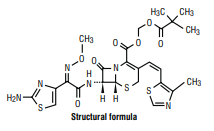
8.0 Pharmaceutical particulars
8.1 Incompatibilities
Not applicable
8.2 Shelf-life
Refer on the pack.
8.3 Packaging information
A strip of 10 tablets.
8.4 Storage and handing instructions
Store below 25°C. Protect from light & moisture.
Keep away from the reach of children.
9.0 Patient counselling information
- Parents or caregivers should be counselled that antibacterial drugs including Zostum O 50 DT should only be used to treat bacterial infections. They do not treat viral infections (e.g., the common cold).
- When Zostum O 50 DT is prescribed to treat a bacterial infection, patients/ parents or caregivers should be told that although it is common to feel better early in the course of therapy, the medication should be taken exactly as directed. Skipping doses or not completing the full course of therapy may (1) decrease the effectiveness of the immediate treatment and (2) increase the likelihood that bacteria will develop resistance and will not be treatable by Zostum O 50 DT or other antibacterial drugs in the future.
- Zostum O 50 DT (cefditoren pivoxil) should be taken with meals to enhance absorption.
- It is not recommended that Zostum O 50 DT be taken concomitantly with antacids or other drugs taken to reduce stomach acids.
About leaflet
- Read all of this leaflet carefully before you start taking this medicine because it contains important information for you.
- Keep this leaflet. You may need to read it again.
- If you have any more questions, please ask your doctor or your pharmacist.
- This medicine has been prescribed for you personally and you should not pass it on to anyone else. It may harm them, even if their symptoms are the same as yours.
- If any of the side effects get serious, or if you notice any side effects that are not listed in the leaflet, please tell your doctor or pharmacist.
In this leaflet:
1. What ZOSTUM-O 50 DT are and what they are used for
2. What you need to know before you take ZOSTUM-O 50 DT
3. How to take ZOSTUM-O 50 DT
4. Possible side effects
5. How to store ZOSTUM-O 50 DT
6. Contents of the pack and other information
1. What ZOSTUM-O 50 DT tablet is and what they are used for
ZOSTUM-O 50 DT tablets contains Cefditoren Pivoxil is a broad-spectrum third generation cephalosporin class antibiotic. ZOSTUM-O 50 DT is indicated for the treatment of mild to moderate infections in children (2 months to 12 years of age) which are caused by susceptible strains of the designated microorganisms in the conditions listed below:
- Inflammation and irritation of the bronchial tubes (acute bacterial exacerbation of chronic bronchitis)
- Sore throat, swollen tonsils, difficulty in swallowing and tender lymph nodes on the sides of the neck (pharyngitis /tonsillitis)
- Pneumonia (Community-acquired pneumonia).
- Nose and Nasal Sinus infection (Acute sinusitis.)
- Bacterial skin infections (uncomplicated skin and skin-structure infections)
Cefditoren is bactericidal in nature and its activity results from the inhibition of cell wall synthesis via affinity for penicillin-binding proteins (PBPs). It is stable in the presence of a variety of beta-lactamases, including penicillinases and some cephalosporinases. It is active against aerobic gram-positive pathogens like Staphylococcus aureus, Streptococcus pneumoniae and Streptococcus pyogenes and aerobic gram-negative pathogens like Haemophilus influenzae, Haemophilus parainfluenzae, Moraxella catarrhalis.
2. What you need to know before you take ZOSTUM-O 50 DT
Do not take ZOSTUM-O 50 DT if you are:
allergic to the Beta-lactam class of antibiotics or any of the components of the formulations.
Warnings and Precautions
- Before therapy with cefditoren pivoxil is instituted, careful inquiry should be made to determine whether the patient has had previous hypersensitivity reactions to cefditoren Pivoxil, other cephalosporins, penicillins, or other drugs.
- If cefditoren pivoxil is to be given to penicillin-sensitive patients, caution should be exercised because cross-hypersensitivity among ß-lactam antibiotics has been clearly documented and may occur in up to 10% of patients with a history of penicillin allergy.
- If an allergic reaction to cefditoren pivoxil occurs, the drug should be discontinued. Serious acute hypersensitivity reactions may require treatment with epinephrine and other emergency measures, including oxygen, intravenous fluids, intravenous antihistamines, corticosteroids, pressor amines, and airway management, as clinically indicated.
- Pseudomembranous colitis has been reported with nearly all antibacterial agents, including cefditoren pivoxil, and may range in severity from mild to life-threatening. Therefore, it is important to consider this diagnosis in patients who present with diarrhea subsequent to the administration of antibacterial agents.
- Treatment with antibacterial agents alters normal flora of the colon and may permit overgrowth of clostridia. Studies indicate that a toxin produced by Clostridium difficile is a primary cause of antibiotic-associated colitis.
- After the diagnosis of pseudomembranous colitis has been established, appropriate therapeutic measures should be initiated. Mild cases of pseudomembranous colitis usually respond to drug discontinuation alone. In moderate to severe cases, consideration should be given to management with fluids and electrolytes, protein supplementation, and treatment with an antibacterial drug clinically effective against C. difficile colitis.
- Prescribing cefditoren pivoxil in the absence of a proven or strongly suspected bacterial infection or a prophylactic indication is unlikely to provide benefit to the patient and increases the risk of the development of drug-resistant bacteria.
- Cefditoren pivoxil is not recommended when prolonged antibiotic treatment is necessary. since other pivalate-containing compounds have caused clinical manifestations of carnitine deficiency when used over a period of months. No clinical effects of carnitine decrease have been associated with short-term treatment.
- Community-acquired pneumonia clinical trials demonstrated no adverse events attributable to decreases in serum carnitine concentrations. However, some sub-populations (e.g., patients with renal impairment, patients with decreased muscle mass) may be at increased risk for reductions in serum carnitine concentrations during cefditoren pivoxil therapy.
- As with other antibiotics, prolonged treatment may result in the possible emergence and overgrowth of resistant organisms. Careful observation of the patient is essential. If superinfection occurs during therapy, appropriate alternative therapy should be administered.
- Prothrombin time should be monitored in patients at risk and exogenous vitamin K administered as indicated.
Interaction with other medicinal products and other forms of interaction
Antacids reduces the oral absorption of Cefditoren Pivoxil administered following a meal. H2-Receptor Antagonists like Famotidine reduce the oral absorption of Cefditoren Pivoxil administered following a meal. Probenecid increases the plasma concentration of Cefditoren Pivoxil.
Use in special populations
Pregnancy
The safety of Cefditoren Pivoxil has not been established. Cefditoren Pivoxil should not be used in pregnant women unless the potential benefits to the mother outweigh the risk to the fetus.
Nursing mothers
Many drugs are excreted in human breast milk so caution should be exercised when Cefditoren Pivoxil is administered to nursing women.
Geriatric use
No clinically significant differences in effectiveness or safety were observed between older and younger patients. No dose adjustments are necessary in geriatric patients with normal (for their age) renal function.
3. How to take ZOSTUM-O 50 DT
Follow your doctor’s instructions. Check the pharmacy label to see how many tablets to take and how often to take them. If you are still not sure, ask your pharmacist or doctor. The usual doses are described below.
Children
Recommended doses in children (2 months to 12 years of age)
- For children with pneumonia, ear infection or nasal sinus infection- In general, 3 mg/kg/dose, 3 times a day, after meals. The dosage may be increased up to 6 mg/kg/dose as needed, but should not exceed 200 mg, 3 times a day (600 mg/day).
- For children with diseases other than above diseases- In general, 3 mg/kg/dose, 3 times a day, after meals. The dosage may be adjusted according to the disease or the patient's age and symptoms, but should not exceed 200 mg, 3 times a day (600 mg /day).
Adults and children 12 year and over
This ZOSTUM-O 50 DT is not usually recommended for adults and children 12 year and over. Ask your doctor or pharmacist for advice, regarding other formulations of cefditoren.
Patients with Renal Insufficiency
No dose adjustment is necessary for patients with mild renal impairment.
Patients with Hepatic Disease
No dose adjustments are necessary for patients with mild or moderate hepatic impairment
Method of administration
Disperse the tablet in one teaspoonful of previously boiled and cooled water before administration
If you take more ZOSTUM-O 50 DT than you should
If you have taken too much cefditoren, contact your doctor, pharmacist or go to your nearest hospital immediately. In case of overdose admission into hospital may be necessary.
If you forget to take ZOSTUM-O 50 DT.
If you forget to take cefditoren, take your dose as soon as possible. If it is almost time for the next dose, just skip that dose and take the next one when it is due. If in doubt, please contact your doctor or pharmacist. If you have to skip a dose, still take all of your tablets. This means that you will finish your course a day later. Do not take a double dose to make up for a forgotten dose.
If you stop taking ZOSTUM-O 50 DT
Never stop the treatment with cefditoren on your own, but first discuss this with your doctor. If you stop taking cefditoren too soon, the infection may return. Take the tablets for the full time of treatment, even when you begin to feel better.
4. Possible side effects
In clinical trials, 4834 adult and adolescent patients have been treated with the recommended doses of cefditoren pivoxil. Most adverse events were mild and self-limiting. No deaths or permanent disabilities have been attributed to cefditoren.
The following adverse events were thought related to cefditoren tablets in multiple-dose clinical trials:
Treatment-Related Adverse Events in Trials in Adults and Adolescent Patients ≥ 12 Years of age
|
Incidence ≥ 1% |
Diarrhea Nausea Headche Abdominal Pain Vaginal Candida infection Dyspepsia Vomiting
|
Cefditoren pivoxil |
|
|
200 mg BID N = 2675 11% 4% 3% 2% 3% 1% 1% |
400 mg BID N = 2159 15% 6% 2% 2% 6% 2% 1% |
||
The overall incidence of adverse events, and in particular diarrhea, increased with the higher recommended dose of cefditoren.
Cephalosporin Class Adverse Reactions
In addition to the adverse reactions listed above which have been observed in patients treated with cefditoren pivoxil, the following adverse reactions and altered laboratory test results have been reported for cephalosporin class antibiotics
Adverse Reactions: Allergic reactions, anaphylaxis, drug fever, sever skin reactions, colitis, renal dysfunction, liver dysfunction.
Altered Laboratory Tests: Prolonged prothrombin time, liver, kidney function tests.
Several cephalosporins have been implicated in triggering seizures, particularly in patients with renal impairment when the dosage was not reduced. If seizures associated with drug therapy occur, the drug should be discontinued. Anticonvulsant therapy can be given if clinically indicated.
Tell your doctor or pharmacist if you notice any other effects not listed.
Reporting of side effects
If you get any side effects, talk to your doctor, pharmacist or nurse. This includes any possible side effects not listed in this leaflet. You can also report side effects directly: Website: www.zuventus.com and click the tab “Drug Safety Reporting” located on the top of the home page.
By reporting side effects, you can help provide more information on the safety of this medicine.
You can also report the side effect with the help of your treating physician.
5. How to store ZOSTUM-O 50 DT
Do not use the tablets after the end of the expiry month (use-by date) shown on the product packaging. Store below 25oC. Keep away from the reach of children. Store in a cool and dry place. Protect from light & moisture. Store in the original package. Medicines should not be disposed of via wastewater or household waste. Ask your pharmacist how to dispose of medicines no longer required. These measures will help to protect the environment.
6. Contents of the pack and other information
What ZOSTUM-O 50 DT contains
The active substance of ZOSTUM-O 50 DT is cefditoren.
Composition
Each uncoated dispersible tablet contains:
Cefditoren Pivoxil
equivalent to Cefditoren 50 mg
Excipients q.s.
Package information
A strip of 10 tablets.
12.0 Date of revision
06 April 2023
For More Information About This Product
Zostum-O 200 Tablets
1.0 Name of the medicinal product
Cefditoren Pivoxil Tablets 200 mg
2.0 Qualitative and quantitative composition
Each film coated tablet contains :
Cefditoren Pivoxil equivalent to Cefditoren 200 mg
Excipients q.s. Colours : Lake of Quinoline Yellow & Titanium Dioxide IP
3.0 Pharmaceutical form
Tablet 200 mg
4.0 Clinical particulars
4.1 Therapeutic indications
Cefditoren pivoxil tablet is indicated for the treatment of mild to moderate infections in adults and adolescents (12 years of age or older) which are caused by susceptible strains of the designated microorganisms in the conditions listed below.
- Acute bacterial exacerbation of chronic bronchitis
- Pharyngitis /tonsillitis
- Uncomplicated skin and skin-structure infections
4.2 Posology and method of administration
Acute Bacterial Exacerbation of Chronic Bronchitis: 400 mg b.i.d. for 10 days
In Pharyngitis/Tonsillitis and Skin and Skin Structure infections: 200 mg b.i.d. for 10 days.
It is recommended to take dose with the meal.
Patients with Renal Insufficiency
No dose adjustment is necessary for patients with mild renal impairment (CLcr: 50-80 mL/min/1.73 m2). It is recommended that not more than 200 mg BID be administered to patients with moderate renal impairment (CLcr: 30-49 mL/min/1.73 m2) and 200 mg QD be administered to patients with severe renal impairment (CLcr: <30 mL/min/1.73 m2). The appropriate dose in patients with end-stage renal disease has not been determined.
Patients with Hepatic Disease
No dose adjustments are necessary for patients with mild or moderate hepatic impairment
4.3 Contraindications
Cefditoren is contraindicated in patients with known allergy to the Beta-lactam class of antibiotics or any of the components of the formulations.
4.4 Special warnings and precautions for use
Before therapy with cefditoren pivoxil is instituted, careful inquiry should be made to determine whether the patient has had previous hypersensitivity reactions to cefditoren pivoxil, other cephalosporins, penicillins, or other drugs. If cefditoren pivoxil is to be given to penicillin- sensitive patients, caution should be exercised because cross- hypersensitivity among beta-lactam antibiotics has been clearly documented and may occur in up to 10% of patients with a history of penicillin allergy.
If an allergic reaction to cefditoren pivoxil occurs, the drug should be discontinued. Serious acute hypersensitivity reactions may require treatment with epinephrine and other emergency measures, including oxygen, intravenous fluids, intravenous antihistamines, corticosteroids, pressor amines, and airway management, as clinically indicated.
Cefditoren pivoxil is not recommended when prolonged antibiotic treatment is necessary, since other pivalate-containing compounds have caused clinical manifestations of carnitine deficiency when used over a period of months. With other antibiotics prolonged treatment may result in the possible emergence and overgrowth of resistant organisms. It should be taken with meals to enhance absorption. It may be taken concomitantly with oral contraceptives. It is not recommended when taken concomitantly with antacids or other drugs taken to reduce stomach acids
4.5 Interaction with other medicinal products and other forms of interaction
Antacids – Antacids reduces the oral absorption of a single 400 mg dose of Cefditoren pivoxil administered following a meal, by a 14% decrease in mean Cmax and an 11% decrease in mean AUC. H2-Receptor Antagonists like Famotidine reduce the oral absorption of a single 400 mg dose of Cefditoren pivoxil administered following a meal, by a 27% decrease in mean Cmax and a 22% decrease in mean AUC. Probenecid increases the plasma concentration of cefditoren pivoxil, with a 49% increase in mean Cmax, a 122% increase in mean AUC, and a 53% increase in t1/2
4.6 Use in special populations
Pregnancy
The safety of Cefditoren has not been established. Cefditoren should not be used in pregnant women unless the potential benefits to the mother outweigh the risk to the fetus.
Nursing mothers:
Many drugs are excreted in human breast milk so caution should be exercised when cefditoren pivoxil is administered to nursing women. Geriatric use:
No clinically significant differences in effectiveness or safety were observed between older and younger patients. No dose adjustments are necessary in geriatric patients with normal (for their age) renal function.
4.7 Effects on ability to drive and use machines
Cefditoren has no or negligible influence on the ability to drive or use machines. However, cefditoren may cause side effects influencing the capacity of reaction and the ability to drive and use machines.
4.8 Undesirable effects
Fixed Drug Eruption (FDE) has been associated with Cefditoren pivoxil use
In clinical trials, 4834 adult and adolescent patients have been treated with the recommended doses of cefditoren pivoxil tablets (200 mg or 400 mg BID). Most adverse events were mild and self-limiting. No deaths or permanent disabilities have been attributed to cefditoren. The following adverse events were thought by the investigators to be possibly, probably, or definitely related to cefditoren tablets in multiple-dose clinical trials:
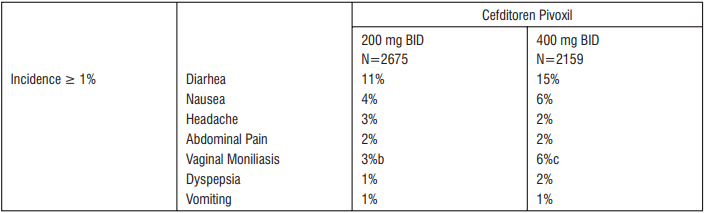
The overall incidence of adverse events, and in particular diarrhea, increased with the higher recommended dose of Cefditoren Pivoxil. Treatment related adverse events experienced by <1% but >0.1% of patients who received 200 mg or 400 mg BID of cefditoren pivoxil were abnormal dreams, allergic reaction, anorexia, asthenia, asthma, coagulation time increased, constipation, dizziness, dry mouth, eructation, face edema, fever, flatulence, fungal infection, gastrointestinal disorder, hyperglycemia, increased appetite, insomnia, leukopenia, leukorrhea, liver function test abnormal, myalgia, nervousness, oral moniliasis, pain, peripheral edema, pharyngitis, pseudomembranous colitis, pruritus, rash, rhinitis, sinusitis, somnolence, stomatitis, sweating, taste perversion, thirst, thrombocythemia, urticaria, and vaginitis. Pseudomembranous colitis symptoms may begin during or after antibiotic treatment.
Sixty-one of 2675 (2%) patients who received 200 mg BID and 69 of 2159 (3%) patients who received 400 mg BID of cefditoren pivoxil discontinued medication due to adverse events thought by the investigators to be possibly, probably, or definitely associated with cefditoren therapy. The discontinuations were primarily for gastrointestinal disturbances, usually diarrhea or nausea. Diarrhea was the reason for discontinuation in 19 of 2675 (0.7%) patients who received 200 mg BID and in 31 of 2159 (1.4%) patients who received 400 mg BID of cefditoren pivoxil.
Changes in laboratory parameters of possible clinical significance, without regard to drug relationship and which occurred in ≥1% of patients who received cefditoren pivoxil 200 mg or 400 mg BID, were hematuria (3.0% and 3.1%), increased urine white blood cells (2.3% and 2.3%), decreased hematocrit (2.1% and 2.2%), and increased glucose (1.8% and 1.1%). Those events which occurred in <1% but >0.1% of patients included the following: increased/decreased white blood cells, increased eosinophils, decreased neutrophils, increased lymphocytes, increased platelet count, decreased hemoglobin, decreased sodium, increased potassium, decreased chloride, decreased inorganic phosphorus, decreased calcium, increased SGPT/ALT, increased SGOT/AST, increased cholesterol, decreased albumin, proteinuria, and increased BUN. It is not known if these abnormalities were caused by the drug or the underlying condition being treated.
Cephalosporin Class Adverse Reactions
In addition to the adverse reactions listed above which have been observed in patients treated with cefditoren pivoxil, the following adverse reactions and altered laboratory test results have been reported for cephalosporin class antibiotics: Adverse Reactions: Allergic reactions, anaphylaxis, drug fever, Stevens-Johnson syndrome, serum sickness-like reaction, erythema multiforme, toxic epidermal necrolysis, colitis, renal dysfunction, toxic nephropathy, reversible hyperactivity, hypertonia, hepatic dysfunction including cholestasis, aplastic anemia, hemolytic anemia, hemorrhage, and superinfection. Altered Laboratory Tests: Prolonged prothrombin time, positive direct Coombs’ test, false-positive test for urinary glucose, elevated alkaline phosphatase, elevated bilirubin, levated LDH, increased creatinine, pancytopenia, neutropenia, and agranulocytosis. Several cephalosporins have been implicated in triggering seizures, particularly in patients with renal impairment when the dosage was not reduced. If seizures associated with drug therapy occur, the drug should be discontinued. Anticonvulsant therapy can be given if clinically indicated
Reporting of suspected adverse reactions
Reporting suspected adverse reactions after authorization of the medicinal product is important. It allows continued monitoring of the benefit/risk balance of the medicinal product. Healthcare professionals are asked to report any suspected adverse reactions via email to: medico@zuventus.com
Website: https://www.zuventus.com/drug-safety-reporting
By reporting side effects, you can help provide more information on the safety of this medicine.
4.9 Overdose
Treat over-dosage symptomatically and institute supportive measures as required. In animals diarrhea and soft stool lasting for few days were observed. Gastric Lavage may be done to remove the excess drug from the stomach.
5.0 Pharmacological properties
5.1 Mechanism of action
Cefditoren is bactericidal in nature and its activity results from the inhibition of cell wall synthesis via affinity for penicillin-binding proteins (PBPs). It has high affinity for penicillin binding protein (PBP) of various bacteria.
5.2 Pharmacodynamic properties
Antibacterial activity Cefditoren pivoxil is metabolized into cefditoren on absorption in the intestinal wall and shows its antibacterial activity. Cefditoren exerts broad spectrum antibacterial activity in vitro against gram-positive and gram-negative bacteria. Especially it showed strong antibacterial activity against gram-positive bacteria such as Staphylococcus sp., Streptococcus sp. and Streptococcus pneumoniae, and gram-negative bacteria such as Escherichia coli, Moraxella (Branhamella) catarrhalis, Klebsiella sp., Proteus sp. and Haemophilus influenzae, and against anaerobic bacteria such as Peptostreptococcus sp., Propionibacterium acnes, Bacteroides sp. and Prevotella sp. Cefditoren also showed antibacterial activity against -lactamase-non producing ampicillin resistant Haemophilus influenzae (BLNAR). In vitro, cefditoren was stable against -lactamases producing strains.
5.3 Pharmacokinetic Properties
Absorption
Following oral administration, cefditoren pivoxil is absorbed from the gastrointestinal tract and hydrolyzed to cefditoren by esterases. Maximal plasma concentrations (Cmax) of cefditoren under fasting conditions average 1.8 ± 0.6 µg/mL following a single 200 mg dose and occur 1.5 to 3 hours following dosing. Less than dose-proportional increases in Cmax and area under the concentration-time curve (AUC) were observed at doses of 400 mg and above. Cefditoren does not accumulate in plasma following twice daily administration to subjects with normal renal function. Under fasting conditions, the estimated absolute bioavailability of cefditoren pivoxil is approximately 14%. Administration of cefditoren pivoxil following a high fat meal resulted in a 70% increase in mean AUC and a 50% increase in mean Cmax compared to administration of cefditoren pivoxil in the fasted state.
Distribution
The mean volume of distribution at steady state (Vss) of cefditoren is 9.3 ± 1.6 L. Binding of cefditoren to plasma proteins averages 88% from in vitro determinations, and is concentration-independent at cefditoren concentrations ranging from 0.05 to 10 µg/mL.
Metabolism and Excretion
Cefditoren is eliminated from the plasma, with a mean terminal elimination half-life (t1/2) of 1.6 ± 0.4 hours in young healthy adults. Cefditoren is not appreciably metabolized. After absorption, cefditoren is mainly eliminated by excretion into the urine, with a renal clearance of approximately 4-5 L/h. Cefditoren renal clearance is reduced in patients with renal insufficiency.
6.0 Nonclinical Properties
6.1 Animal Toxicology or Pharmacology
No known animal toxicology data.
7.0 Description
Zostum-O contains cefditoren pivoxil, a semi-synthetic cephalosporin antibiotic for oral administration. It is a prodrug which is hydrolyzed by esterases during absorption, and the drug is distributed in the circulating blood as active cefditoren.
Chemical name: 2, 2-Dimethylpropanoyloxymethyl (6R, 7R)-7-[(Z)-2- (2-aminothiazol-4-yl)-2-(methoxyimino) acetylamino]-3-[(1Z)- 2-(4-methylthiazol-5-yl) ethenyl]-8-oxo-5-thia-1-azabicyclo[4.2.0] oct-2-ene -2-carboxylate.
Molecular formula: C25H28N6O7S3
Molecular weight: 620.72
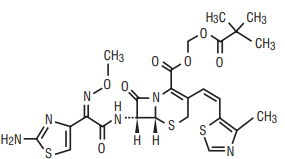
8.0 Pharmaceutical Particulars
8.1 Incompatibilities
Not applicable.
8.2 Shelf Life
Refer on the pack.
8.3 Packaging Information
A strip of 6 tablets / A strip of 10 tablets.
8.4 Storage and handing Instructions
Store below 25°C. Protect from light & moisture.
Keep out of reach of children.
9.0 Details of manufacturer
- Patients should be counseled that antibacterial drugs including Cefditoren Pivoxil should only be used to treat bacterial infections. They do not treat viral infections (e.g., the common cold).
- When Cefditoren Pivoxil is prescribed to treat a bacterial infection, patients should be told that although it is common to feel better early in the course of therapy, the medication should be taken exactly as directed. Skipping doses or not completing the full course of therapy may (1) decrease the effectiveness of the immediate treatment and (2) increase the likelihood that bacteria will develop resistance and will not be treatable by Cefditoren Pivoxil or other antibacterial drugs in the future.
- Cefditoren Pivoxil should be taken with meals to enhance absorption.
- Cefditoren Pivoxil may be taken concomitantly with oral contraceptives.
- It is not recommended that Cefditoren Pivoxil be taken concomitantly with antacids or other drugs taken to reduce stomach acids
12.0 Date of Issue
07 April 2023
About leaflet
- Read all of this leaflet carefully before you start taking this medicine because it contains important information for you.
- Keep this leaflet. You may need to read it again.
- If you have any more questions, please ask your doctor or your pharmacist.
- This medicine has been prescribed for you personally and you should not pass it on to anyone else. It may harm them, even if their symptoms are the same as yours.
- If any of the side effects get serious, or if you notice any side effects that are not listed in the leaflet, please tell your doctor or pharmacist.
In this leaflet:
1. What ZOSTUM-O tablets are and what they are used for
2. What you need to know before you take ZOSTUM-O Tablets
3. How to take ZOSTUM-O Tablets
4. Possible side effects
5. How to store ZOSTUM-O Tablets
6. Contents of the pack and other information
1. What Zostum-o Tablets are and what they are used for
ZOSTUM-O Tablets contains cefditoren Pivoxil, a broad-spectrum third generation cephalosporin class antibiotic. Cefditoren tablets may be used to treat mild to moderate infections in adults and adolescents (12 years of age or older):
- inflammation and irritation of the bronchial tubes (acute bacterial exacerbation of chronic bronchitis)
- sore throat, swollen tonsils, difficulty in swallowing, Sinus infection and tender lymph nodes on the sides of the neck (pharyngitis, tonsillitis, rhino-sinusitis)
- bacterial skin infections (uncomplicated skin and skin-structure infections)
Cefditoren is bactericidal in nature and its activity results from the inhibition of cell wall synthesis via affinity for penicillin-binding proteins (PBPs). It is stable in the presence of a variety of beta-lactamases, including penicillinases and some cephalosporinases. It is active against aerobic gram-positive pathogens like Staphylococcus aureus, Streptococcus pneumoniae and Streptococcus pyogenes and aerobic gram-negative pathogens like Haemophilus influenzae, Haemophilus parainfluenzae, Moraxella catarrhalis.
2. What you Nned to know before you take Zostum-o Tablets
Do not take ZOSTUM-O Tablets if you are:
- allergic to the Beta-lactam class of antibiotics or any of the components of the formulations.
Warnings and Precautions
- Before therapy with cefditoren pivoxil is instituted, careful inquiry should be made to determine whether the patient has had previous hypersensitivity reactions to cefditoren pivoxil, other cephalosporins, penicillins, or other drugs.
- If cefditoren pivoxil is to be given to penicillin-sensitive patients, caution should be exercised because cross-hypersensitivity among ß-lactam antibiotics has been clearly documented and may occur in up to 10% of patients with a history of penicillin allergy.
- If an allergic reaction to cefditoren pivoxil occurs, the drug should be discontinued. Serious acute hypersensitivity reactions may require treatment with epinephrine and other emergency measures, including oxygen, intravenous fluids, intravenous antihistamines, corticosteroids, pressor amines, and airway management, as clinically indicated.
- Pseudomembranous colitis has been reported with nearly all antibacterial agents, including cefditoren pivoxil, and may range in severity from mild to life-threatening. Therefore, it is important to consider this diagnosis in patients who present with diarrhea subsequent to the administration of antibacterial agents.
- Treatment with antibacterial agents alters normal flora of the colon and may permit overgrowth of clostridia. Studies indicate that a toxin produced by Clostridium difficile is a primary cause of antibiotic-associated colitis.
- After the diagnosis of pseudomembranous colitis has been established, appropriate therapeutic measures should be initiated. Mild cases of pseudomembranous colitis usually respond to drug discontinuation alone. In moderate to severe cases, consideration should be given to management with fluids and electrolytes, protein supplementation, and treatment with an antibacterial drug clinically effective against C. difficile colitis.
- Prescribing cefditoren pivoxil in the absence of a proven or strongly suspected bacterial infection or a prophylactic indication is unlikely to provide benefit to the patient and increases the risk of the development of drug-resistant bacteria.
- Cefditoren pivoxil is not recommended when prolonged antibiotic treatment is necessary. since other pivalate-containing compounds have caused clinical manifestations of carnitine deficiency when used over a period of months. No clinical effects of carnitine decrease have been associated with short-term treatment.
- Community-acquired pneumonia clinical trials demonstrated no adverse events attributable to decreases in serum carnitine concentrations. However, some sub-populations (e.g., patients with renal impairment, patients with decreased muscle mass) may be at increased risk for reductions in serum carnitine concentrations during cefditoren pivoxil therapy.
- As with other antibiotics, prolonged treatment may result in the possible emergence and overgrowth of resistant organisms. Careful observation of the patient is essential. If superinfection occurs during therapy, appropriate alternative therapy should be administered.
- Prothrombin time should be monitored in patients at risk and exogenous vitamin K administered as indicated.
Pregnancy Category B
Cefditoren pivoxil was not teratogenic up to the highest doses tested in rats and rabbits. There are no adequate and well-controlled studies in pregnant women. Because animal reproductive studies are not always predictive of human response, this drug should be used during pregnancy only if clearly needed.
Labor and Delivery
Cefditoren pivoxil has not been studied for use during labor and delivery.
Nursing Mothers
Because many drugs are excreted in human breast milk, caution should be exercised when cefditoren pivoxil is administered to nursing women.
Geriatric Use
No dose adjustments are necessary in geriatric patients with normal (for their age) renal function. This drug is known to be substantially excreted by the kidney, and the risk of toxic reactions to this drug may be greater in patients with impaired renal function. Because elderly patients are more likely to have decreased renal function, care should be taken in dose selection, and it may be useful to monitor renal function.
Tell your doctor or pharmacist if you are taking, have recently taken or might take any other medicines, in particular
Antacids: Co-administration of an antacid reduces the oral absorption of cefditoren pivoxil. Therefore, it is not recommended that cefditoren pivoxil be taken concomitantly with antacids.
H2-Receptor Antagonists: Co-administration of H2-Receptor antagonists with cefditoren reduces the oral absorption of cefditoren. Although the clinical significance is not known, it is not recommended that cefditoren pivoxil be taken concomitantly with H2 receptor antagonists.
Probenecid: Co-administration of probenecid with cefditoren resulted in an increase in the plasma exposure of cefditoren.
Effects on ability to drive and use machines
Cefditoren has no or negligible influence on the ability to drive or use machines. However, cefditoren may cause side effects influencing the
capacity of reaction and the ability to drive and use machines.
3. How to take Zostum-o Tablets
Follow your doctor’s instructions. Check the pharmacy label to see how many tablets to take and how often to take them. If you are still not sure, ask your pharmacist or doctor. The usual doses are described below.
Adults and Adolescents (12 years of age or older)
- inflammation and irritation of the bronchial tubes (acute bacterial exacerbation of chronic bronchitis): 400 mg (2 tablets) two times daily for 10 days
- sore throat, swollen tonsils, difficulty in swallowing, Sinus infection and tender lymph nodes on the sides of the neck (pharyngitis, tonsillitis, rhino-sinusitis): 200 mg (one tablet) two times daily for 10 days.
- bacterial skin infections (uncomplicated skin and skin-structure infections): 200 mg (one tablet) two times daily for 10 days.
Patients with Renal Insufficiency
No dose adjustment is necessary for patients with mild renal impairment (CLcr: 50-80 mL/min/1.73 m2). It is recommended that not more than 200 mg two times daily be administered to patients with moderate renal impairment (CLcr: 30-49 mL/min/1.73 m2) and 200 mg once daily be administered to patients with severe renal impairment (CLcr: <30 mL/min/1.73 m2). The appropriate dose in patients with end-stage renal disease has not been determined.
Patients with Hepatic Disease
No dose adjustments are necessary for patients with mild or moderate hepatic impairment
Method of administration
The tablets can be taken after food. Always continue with the course even if you feel better. If your infection gets worse or you do not start to feel better within a few days or a new infection develops, go back and see your doctor.
If you take more cefditoren than you should
If you have taken too much cefditoren, contact your doctor, pharmacist or go to your nearest hospital immediately. In case of overdose admission into hospital may be necessary.
If you forget to take ZOSTUM-O TABLETS
If you forget to take ZOSTUM-O TABLETS, take your dose as soon as possible. If it is almost time for the next dose, just skip that dose and take the next one when it is due. If in doubt, please contact your doctor or pharmacist. If you have to skip a dose, still take all of your tablets. This means that you will finish your course a day later. Do not take a double dose to make up for a forgotten dose.
If you stop taking ZOSTUM-O TABLETS
Never stop the treatment with cefditoren on your own, but first discuss this with your doctor. If you stop taking cefditoren too soon, the infection may return. Take the tablets for the full time of treatment, even when you begin to feel better.
4. Possible side effects
In clinical trials, 4834 adult and adolescent patients have been treated with the recommended doses of cefditoren Pivoxil. Most adverse events were mild and self-limiting. No deaths or permanent disabilities have been attributed to cefditoren.
The following adverse events were thought related to cefditoren tablets in multiple-dose clinical trials:
Treatment-Related Adverse Events in Trials in Adults and Adolescent Patients ≥ 12 Years of age
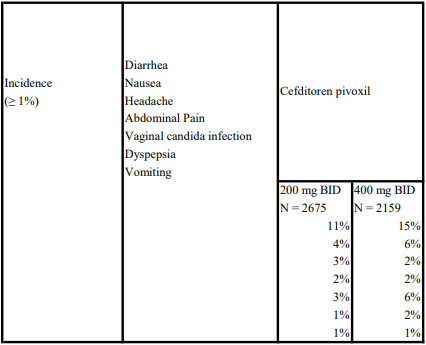
The overall incidence of adverse events, and in particular diarrhea, increased with the higher recommended dose of cefditoren.
Cephalosporin Class Adverse Reactions
In addition to the adverse reactions listed above which have been observed in patients treated with cefditoren Pivoxil, the following adverse reactions and altered laboratory test results have been reported for cephalosporin class antibiotics:
Adverse Reactions: Allergic reactions, drug fever, colitis, renal dysfunction, reversible hyperactivity, liver dysfunction including cholestasis, anemia, hemorrhage, and superinfection.
Altered Laboratory Tests results: Prolonged prothrombin time, liver enzyme levels, elevated bilirubin, kidney dysfunction etc.
Several cephalosporins have been implicated in triggering seizures, particularly in patients with renal impairment when the dosage was not reduced. If seizures associated with drug therapy occur, the drug should be discontinued. Anticonvulsant therapy can be given if clinically indicated.
Tell your doctor or pharmacist if you notice any other effects not listed.
Reporting of side effects
If you get any side effects, talk to your doctor, pharmacist or nurse. This includes any possible side effects not listed in this leaflet. You can also report side effects directly: Website: www.zuventus.com and click the tab “Drug Safety Reporting” located on the top of the home page.
By reporting side effects, you can help provide more information on the safety of this medicine. You can also report the side effect with the help of your treating physician.
5. How to store Zostum-o Tablets
Do not use the tablets after the end of the expiry month (use-by date) shown on the product packaging. Store below 25oC. Store in a cool and dry place. Protect from light & moisture. Store in the original package.
KEEP THIS MEDICINE OUT OF THE SIGHT AND REACH OF CHILDREN
Medicines should not be disposed of via wastewater or household waste. Ask your pharmacist how to dispose of medicines no longer required. These measures will help to protect the environment.
6. Contents of the pack and other information
Composition of ZOSTUM-O TABLETS
Each film coated tablet contains:
Cefditoren Pivoxil
equivalent to Cefditoren 200 mg
Excipients q.s.
Colours: Lake of Quinoline Yellow & Titanium Dioxide IP
Package information
- A strip of 6 tablets or
- A strip of 10 tablets.