
Cortimax Suspension


1.0 Generic name
Deflazacort Suspension 6 mg/ 5 ml
2.0 Qualitative and quantitative composition
Each 5 ml of suspension contains:
Deflazacort 6 mg
Excipients q.s.
Colour: quinolone yellow
3.0 Dosage form and strength
Oral Suspension, 6 mg/ 5 ml
Cortimax Suspension: a bottle of 30 ml
Cortimax-XL Suspension: a bottle of 60 ml
4.0 Clinical particulars
4.1. Therapeutic indication
For asthma, rheumatoid arthritis when glucocorticosteriod therapy is warranted.
4.2.Posology and method of administration
Deflazacort is a glucocorticoid derived from prednisolone and 6mg of deflazacort has approximately the same anti-inflammatory potency as 5mg prednisolone or prednisone.
Doses vary widely in different diseases and different patients. In more serious and life-threatening conditions, high doses of deflazacort may need to be given. When deflazacort is used long term in relatively benign chronic diseases, the maintenance dose should be kept as low as possible. Dosage may need to be increased during periods of stress or in exacerbation of illness.
The dosage should be individually titrated according to diagnosis, severity of disease and patient response and tolerance. The lowest dose that will produce an acceptable response should be used.
There has been limited exposure of children to deflazacort in clinical trials.
In children, the indications for glucocorticoids are the same as for adults, but it is important that the lowest effective dosage is used. Alternate day administration may be appropriate.
Doses of deflazacort usually lie in the range 0.25 - 1.5 mg/kg/day.
The following ranges provide general guidance:
Juvenile chronic arthritis: usual maintenance dose is between 0.25 - 1.0 mg/kg/day.
Nephrotic syndrome: Initial dose of usually 1.5 mg/kg/day followed by down titration according to clinical need.
Bronchial asthma: On the basis of the potency ratio, the initial dose should be between 0.25 - 1.0 mg/kg deflazacort on alternate days.
Hepatic Impairment
In patients with hepatic impairment, blood levels of deflazacort may be increased. Therefore, the dose of deflazacort should be carefully monitored and adjusted to the minimum effective dose.
Renal Impairment
In renally impaired patients, no special precautions other than those usually adopted in patients receiving glucocorticoid therapy are necessary.
Deflazacort withdrawal
In patients who have received more than physiological doses of systemic corticosteroids (approximately 9 mg/day or equivalent) for > 3 weeks, withdrawal should not be abrupt. How dose reduction should be carried out depends largely on whether the disease is likely to relapse as the dose of systemic corticosteroids is reduced. Clinical assessment of disease activity may be needed during withdrawal. If the disease is unlikely to relapse on withdrawal of systemic corticosteroids but there is uncertainty about HPA suppression, the dose of systemic corticosteroids may be reduced rapidly to physiological doses. Once a daily dose equivalent to 9 mg deflazacort is reached, dose reduction should be slower to allow the HPA-axis to recover.
Abrupt withdrawal of systemic corticosteroid treatment, which has continued up to 3 weeks is appropriate if it is considered that the disease is unlikely to relapse. Abrupt withdrawal of doses up to 48 mg daily of deflazacort, or equivalent for 3 weeks is unlikely to lead to clinically relevant HPA-axis suppression, in the majority of patients. In the following patient groups, gradual withdrawal of systemic corticosteroid therapy should be considered even after courses lasting 3 weeks or less:
- Patients who have had repeated courses of systemic corticosteroids, particularly if taken for greater than 3 weeks.
- When a short course has been prescribed within one year of cessation of long-term therapy (months or years).
- Patients who may have reasons for adrenocortical insufficiency other than exogenous corticosteroid therapy.
- Patients receiving doses of systemic corticosteroid > 48 mg daily of deflazacort (or equivalent),
- Patients repeatedly taking doses in the evening.
4.3. Contraindications
Systemic infection unless specific anti-infective therapy is employed. Hypersensitivity to the active substance, deflazacort or any of the excipients. Patients receiving live virus immunisation.
4.4. Special warnings and precautions for use
Patients with rare hereditary problems of galactose intolerance, the Lapp lactose deficiency or glucose-galactose malabsorption should not take this medicine. Undesirable effects may be minimised by using the lowest effective dose for the minimum period, and by administering the daily requirement as a single morning dose or whenever possible as a single morning dose on alternate days. Frequent patient review is required to appropriately titrate the dose against disease activity.
Adrenal suppression
Adrenal cortical atrophy develops during prolonged therapy and may persist for years after stopping treatment. Withdrawal of corticosteroids after prolonged therapy must therefore always be gradual to avoid acute adrenal insufficiency which could be fatal, being tapered off over weeks or months according to the dose and duration of treatment. During prolonged therapy, any intercurrent illness, trauma or surgical procedure will require a temporary increase in dosage; if corticosteroids have been stopped following prolonged therapy, they may need to be temporarily re-introduced.
Patients should carry 'Steroid treatment' cards which give clear guidance on the precautions to be taken to minimise risk and which provide details of prescriber, drug, dosage and the duration of treatment.
Anti-inflammatory/immunosuppressive effects and infection
Suppression of the inflammatory response and immune function increases the susceptibility to infections and their severity. The clinical presentation may often be atypical and serious infections such as septicaemia and tuberculosis may be masked and may reach an advanced stage before being recognised.
Chickenpox is of particular concern since this normally minor illness may be fatal in immunosuppressed patients. Patients (or parents of children) without a definite history of chicken pox should be advised to avoid close personal contact with chickenpox or herpes zoster and, if exposed, they should seek urgent medical attention. Passive immunisation with varicella zoster immunoglobulin (VZIG) is needed by exposed non-immune patients who are receiving systemic corticosteroids or who have used them within the previous 3 months; this should be given within 10 days of exposure to chickenpox. If a diagnosis of chickenpox is confirmed, the illness warrants specialist care and urgent treatment. Corticosteroids should not be stopped and the dose may need to be increased. Patients should be advised to take particular care to avoid exposure to measles and to seek immediate medical advice if exposure occurs. Prophylaxis with intramuscular normal immunoglobulin may be needed.
Live vaccines should not be given to individuals with impaired responsiveness. The antibody response to other vaccines may be diminished.
Visual disturbance
Visual disturbance may be reported with systemic and topical corticosteroid use. If a patient presents with symptoms such as blurred vision or other visual disturbances, the patient should be considered for referral to an ophthalmologist for evaluation of possible causes which may include cataract, glaucoma or rare diseases such as central serous chorioretinopathy (CSCR) which have been reported after use of systemic and topical corticosteroids.
Prolonged use of glucocorticoids may produce posterior subcapsular cataracts, glaucoma with possible damage to the optic nerves and may enhance the establishment of secondary ocular infections due to fungi or viruses. Use in active tuberculosis should be restricted to those cases of fulminating and disseminated tuberculosis in which deflazacort is used for management with appropriate antituberculosis regimen. If glucocorticoids are indicated in patients with latent tuberculosis or tuberculin reactivity, close observation is necessary as reactivation of the disease may occur. During prolonged glucocorticoid therapy, these patients should receive chemoprophylaxis.
Tendonitis and tendon rupture are known class effect of glucocorticoids. The risk of such reactions may be increased by co-administration of quinolones. Pheochromocytoma crisis, which can be fatal, has been reported after administration of systemic corticosteroids. Corticosteroids should only be administered to patients with suspected or identified pheochromocytoma after an appropriate risk/benefit evaluation.
Special precautions
The following clinical conditions require special caution and frequent patient monitoring is necessary: -
- Cardiac disease or congestive heart failure (except in the presence of active rheumatic carditis), hypertension, thromboembolic disorders. Glucocorticoids can cause salt and water retention and increased excretion of potassium. Dietary salt restriction and potassium supplementation may be necessary.
- Gastritis or oesophagitis, diverticulitis, ulcerative colitis if there is probability of impending perforation, abscess or pyogenic infections, fresh intestinal anastomosis, active or latent peptic ulcer.
- Diabetes mellitus or a family history, osteoporosis, myasthenia gravis, renal insufficiency. • Emotional instability or psychotic tendency, epilepsy.
- Previous corticosteroid-induced myopathy.
- Liver failure.
- Hypothyroidism and cirrhosis, which may increase glucocorticoid effect.
- Ocular herpes simplex because of possible corneal perforation. Patients and/or carers should be warned that potentially severe psychiatric adverse reactions may occur with systemic steroids. Symptoms typically emerge within a few days or weeks of starting the treatment. Risks may be higher with high doses/systemic exposure, although dose levels do not allow prediction of the onset, type, severity or duration of reactions. Most reactions recover after either dose reduction or withdrawal, although specific treatment may be necessary. Patients/carers should be encouraged to seek medical advice if worrying psychological symptoms develop, especially if depressed mood or suicidal ideation is suspected. Patients/carers should also be alert to possible psychiatric disturbances that may occur either during or immediately after dose tapering/withdrawal of systemic steroids, although such reactions have been reported infrequently. Particular care is required when considering the use of systemic corticosteroids in patients with existing or previous history of severe affective disorders in themselves or in their first degree relatives. These would include depressive or manic-depressive illness and previous steroid psychosis. Glucocorticoids are known to cause irregular menstruation and leukocytosis, care should be taken with deflazacort. Paediatric population Corticosteroids cause dose-related growth retardation in infancy, childhood and adolescence which may be irreversible. Hypertrophic cardiomyopathy has been reported after systemic administration of glucocorticosteroids in preterm infants. In infants receiving administration of systemic glucocorticosteroids, echocardiograms should be performed to monitor myocardial structure and function.
4.5.Interaction with other medicinal products and other forms of interaction
- The same precautions should be exercised as for other glucocorticoids. Deflazacort is metabolised in the liver. It is recommended to increase the maintenance dose of deflazacort if drugs which are liver enzyme inducers are co-administered, e.g. rifampicin, rifabutin, carbamazepine, phenobarbitone, phenytoin, primidone and aminoglutethimide. For drugs which inhibit liver enzymes, e.g. ketoconazole it may be possible to reduce the maintenance dose of deflazacort.
- In patients taking estrogens, corticosteroid requirements may be reduced.
- The desired effects of hypoglycaemic agents (including insulin), anti-hypertensives and diuretics are antagonised by corticosteroids and the hypokalaemic effects of acetazolamide, loop diuretics, thiazide diuretics, beta 2-agonists, xanthines and carbenoxolone are enhanced.
- The efficacy of coumarin anticoagulants may be enhanced by concurrent corticosteroid therapy and close monitoring of the INR or prothrombin time is required to avoid spontaneous bleeding.
- In patients treated with systemic corticosteroids, use of non-depolarising muscle relaxants can result in prolonged relaxation and acute myopathy. Risk factors for this include prolonged and high dose corticosteroid treatment, and prolonged duration of muscle paralysis. This interaction is more likely following prolonged ventilation (such as in the ITU setting).
- The renal clearance of salicylates is increased by corticosteroids and steroid withdrawal may result in salicylate intoxication.
- As glucocorticoids can suppress the normal responses of the body to attack by micro-organisms, it is important to ensure that any anti-infective therapy is effective and it is recommended to monitor patients closely. Concurrent use of glucocorticoids and oral contraceptives should be closely monitored as plasma levels of glucocorticoids may be increased. This effect may be due to a change in metabolism or binding to serum proteins. Antacids may reduce bioavailability; leave at least 2 hours between administration of deflazacort and antacids.
- Co-treatment with CYP3A inhibitors, including cobicistat-containing products, is expected to increase the risk of systemic side-effects. The combination should be avoided unless the benefit outweighs the increased risk of systemic corticosteroid side-effects, in which case patients should be monitored for systemic corticosteroid side-effects.
4.6.Fertility, pregnancy and lactation
Pregnancy
The ability of corticosteroids to cross the placenta varies between individual drugs, however, deflazacort does cross the placenta. Administration of corticosteroids to pregnant animals can cause abnormalities of foetal development including cleft palate, intra-uterine growth retardation and effects on brain growth and development. There is no evidence that corticosteroids result in an increased incidence of congenital abnormalities, such as cleft palate/lip in man. However, when administered for prolonged periods or repeatedly during pregnancy, corticosteroids may increase the risk of intra-uterine growth retardation. Hypoadrenalism may, in theory, occur in the neonate following prenatal exposure to corticosteroids but usually resolves spontaneously following birth and is rarely clinically important. As with all drugs, corticosteroids should only be prescribed when the benefits to the mother and child outweigh the risks. When corticosteroids are essential however, patients with normal pregnancies may be treated as though they were in the non-gravid state.
Breast-feeding
Corticosteroids are excreted in breast milk, although no data are available for deflazacort. Doses of up to 50 mg daily of deflazacort are unlikely to cause systemic effects in the infant. Infants of mothers taking higher doses than this may have a degree of adrenal suppression but the benefits of breast feeding are likely to outweigh any theoretical risk.
Fertility
No data is available on Deflazacort and its effects on fertility.
4.7.Effects on ability to drive and use machines
The effect of corticosteroids on the ability to drive or use machinery has not been systematically evaluated. Vertigo is a possible undesirable effect after treatment with deflazacort. If affected, patients should not drive or operate machinery.
4.8.Undesirable effects
The incidence of predictable undesirable effects, including hypothalamic-pituitary-adrenal suppression correlates with the relative potency of the drug, dosage; timing of administration and the duration of treatment.
The following CIOMS frequency rating is used: Very common (≥1/10); common (≥1/100 to <1/10); uncommon (≥1/1000 to <1/100); rare (≥1/10 000 to <1/1000); very rare (<1/10 000), not known (cannot be estimated from the available data).
Endocrine disorders
Uncommon: Suppression of the hypothalamic-pituitary-adrenal axis, amenorrhoea, Cushingoid facies.
Not known: Growth suppression in infancy, childhood and adolescence.
Metabolism and nutrition disorders
Common: Weight gain.
Uncommon: impaired carbohydrate tolerance with increased requirement for anti-diabetic therapy, sodium and water retention with hypertension, potassium loss and hypokalaemic alkalosis when co-administered with beta 2-agonist and xanthines.
Not known: Negative protein and calcium balance, increased appetite.
Infections and Infestations
Uncommon: Increased susceptibility and severity of infections with suppression of clinical symptoms and signs, opportunistic infections, recurrence of dormant tuberculosis.
Not known: candidiasis.
Musculoskeletal and connective tissue disorders
Uncommon: Osteoporosis, vertebral and long bone fractures.
Rare: Muscle wasting.
Not known: avascular osteonecrosis, tendonitis and tendon rupture when co-administered with quinolones, myopathy (acute myopathy may be precipitated by non-depolarising muscle relaxants, negative nitrogen balance.
Reproductive system and breast disorders
Not known: Menstrual irregularity.
Cardiac disorders
Not known: Heart failure, hypertrophic cardiomyopathy in preterm infants.
Nervous system disorders
Uncommon: Headache, vertigo.
Not known: restlessness, Increased intra-cranial pressure with papilloedema in children (pseudotumour cerebri), usually after treatment withdrawal, aggravation of epilepsy.
Psychiatric disorders
A wide range of psychiatric reactions including affective disorders such as:
Uncommon: depressed and labile mood.
Not known: irritable, euphoric, suicidal thoughts.
Psychotic reactions including:
Not known: mania, delusions, hallucinations, aggravation of schizophrenia
Other reactions including:
Uncommon: behavioural disturbances.
Not known: anxiety, sleep disturbances, and cognitive dysfunction including confusion and amnesia have been reported.
Reactions are common and may occur in both adults and children. In adults, the frequency of severe reactions has been estimated to be 5-6%. Psychological effects have been reported on withdrawal of corticosteroids; the frequency is unknown.
Eye disorders
Not known: Vision blurred, increased intra-ocular pressure, glaucoma, papilloedema, posterior subcapsular cataracts especially in children, chorioretinopathy, corneal or scleral thinning, exacerbation of ophthalmic viral or fungal diseases.
Gastrointestinal disorders
Uncommon: Dyspepsia, peptic ulceration, haemorrhage, nausea.
Not known: perforation of peptic ulcer, acute pancreatitis (especially in children), candidiasis.
Skin and subcutaneous tissue disorders
Uncommon: hirsutism, striae, acne.
Rare: bruising.
Not known: Skin atrophy, telangiectasia.
General disorders and administration site conditions
Uncommon: Oedema.
Not known: impaired healing.
Immune system disorders
Uncommon: Hypersensitivity including anaphylaxis has been reported.
Blood and lymphatic system disorders
Not known: Leukocytosis.
Vascular disorders
Not known: Thromboembolism in particular in patients with underlying conditions associated with increased thrombotic tendency, rare incidence of benign intracranial hypertension.
Withdrawal symptoms and signs
Not known: Too rapid a reduction of corticosteroid dosage following prolonged treatment can lead to acute adrenal insufficiency, hypotension and death.
A 'withdrawal syndrome' may also occur including fever, myalgia, arthralgia, rhinitis, conjunctivitis, painful itchy skin nodules and loss of weight. This may occur in patients even without evidence of adrenal insufficiency.
Class effect
Pheochromocytoma crisis has been reported with other systemic corticosteroids and is a known class effect.
Reporting of suspected adverse reactions
Reporting suspected adverse reactions after authorisation of the medicinal product is important. It allows continued monitoring of the benefit/risk balance of the medicinal product. Healthcare professionals are asked to report any suspected adverse reactions via email to: medico@zuventus.com
Website: https://www.zuventus.com/drug-safety-reporting
By reporting side effects, you can help provide more information on the safety of this medicine.
4.9. Overdose
It is unlikely that treatment is needed in cases of acute overdosage. The LD50 for the oral dose is greater than 4000 mg/kg in laboratory animals.
5.0 Pharmacological properties
5.1 Pharmacodynamic properties
Pharmacotherapeutic group: corticosteroids for systemic use; Glucocorticoids.
ATC code: H02AB13.
Deflazacort is a glucocorticoid. Its anti-inflammatory and immunosuppressive effects are used in treating a variety of diseases and are comparable to other anti-inflammatory steroids. Clinical studies have indicated that the average potency ratio of deflazacort to prednisolone is 0.69-0.89.
5.2 Pharmacokinetic properties
Absorption: Orally administered deflazacort appears to be well absorbed.
Distribution: The active metabolite D 21-OH achieves peak plasma concentrations in 1.5 to 2 hours. It is 40% protein-bound and has no affinity for corticosteroid-binding-globulin (transcortin).
Biotransformation: Orally administered deflazacort is immediately converted by plasma esterases to the pharmacologically active metabolite (D 21-OH). Metabolism of D 21-OH is extensive. The metabolite of D 21-OH is deflazacort 6-beta-OH.
Elimination: Its elimination plasma half-life is 1.1 to 1.9 hours. Elimination takes place primarily through the kidneys; 70% of the administered dose is excreted in the urine. The remaining 30% is eliminated in the faeces. Metabolism of D 21-OH is extensive; only 18% of urinary excretion represents D 21-OH. The metabolite of D 21-OH, deflazacort 6-beta-OH, represents one third of the urinary elimination.
6.0 Nonclinical properties
Safety studies have been carried out in the rat, dog, mouse and monkey. The findings are consistent with other glucocorticoids at comparable doses. Teratogenic effects demonstrated in rodents and rabbits are typical of those caused by other glucocorticoids. Deflazacort was not found to be carcinogenic in the mouse, but studies in the rat produced carcinogenic findings consistent with the findings with other glucocorticoids.
7.0 Description
Deflazacort, is an oxaline derivative of Prednisolone.
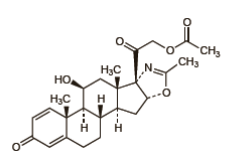
Figure: Structure of Deflazacort
IUPAC Name: (11β,16β)-21-(acetyloxy)-11-hydroxy-2'-methyl-5'H-pregna-1,4-dieno[17,16-d]oxazole-3,20-dione Molecular Formula: C25H31NO6
Molecular Weight: 441.5 g/mol
8.0 Pharmaceutical particulars
1.Incompatibilities
Not applicable.
2.Shelf-life
Refer on pack
3.Packaging information
Cortimax Suspension: a bottle of 30 ml
Cortimax-XL Suspension: a bottle of 60 ml
4. Storage and handing instructions
- Keep out of reach of children. Keep out of the sight and reach of children.
- Store in a dry place at a temperature not exceeding 25°C.
9.0 Patient counselling information
A patient information leaflet is available for this product.
Administration
- Warn patients and/or caregivers to not stop taking Cortimax abruptly or without first checking with their healthcare providers as there may be a need for gradual dose reduction to decrease the risk of adrenal insufficiency.
- Cortimax may be taken with or without food. Do not take Cortimax with grapefruit juice.
Increased Risk of Infection
Tell patients and/or caregivers to inform their healthcare provider if the patient has had recent or ongoing infections or if they have recently received a vaccine. Medical advice should be sought immediately if the patient develops fever or other signs of infection. Patients and/or caregivers should be made aware that some infections can potentially be severe and fatal. Warn patients who are on corticosteroids to avoid exposure to chickenpox or measles and to alert their healthcare provider immediately if they are exposed.
Alterations in Cardiovascular/Renal Function
Inform patients and/or caregivers that Cortimax can cause an increase in blood pressure and water retention. If this occurs, dietary salt restriction and potassium supplementation may be needed.
Behavioural and Mood Disturbances
Advise patients and/or caregivers about the potential for severe behavioral and mood changes with Cortimax and encourage them to seek medical attention if psychiatric symptoms develop.
Decreases in Bone Mineral Density
Advise patients and/or caregivers about the risk of osteoporosis with prolonged use of Cortimax, which can predispose the patient to vertebral and long bone fractures.
Ophthalmic Effects
Inform patients and/or caregivers that Cortimax may cause cataracts or glaucoma and advise monitoring if corticosteroid therapy is continued for more than 6 weeks.
Vaccination
Advise patients and/or caregivers to bring immunizations up-to-date according to immunization guidelines prior to starting therapy with Cortimax. Live-attenuated or live vaccines should be administered at least 4 to 6 weeks prior to starting Cortimax. Inform patients and/or caregivers that they may receive concurrent vaccinations with use of Cortimax, except for live-attenuated or live vaccines.
Serious Skin Rashes
Instruct patients and/or caregivers to seek medical attention at the first sign of a rash.
Drug Interactions
Certain medications can cause an interaction with Cortimax. Advise patients and/or caregivers to inform their healthcare provider of all the medicines the patient is taking, including over-the-counter medicines (such as insulin, aspirin or other NSAIDS), dietary supplements, and herbal products. Inform patients and/or caregivers that alternate therapy, dosage adjustment, and/or special test(s) may be needed during the treatment.
About Leaflet
Important things you need to know about Cortimax
- Cortimax is a steroid medicine. This can be prescribed for many different conditions, including serious illnesses.
- You need to take it regularly to get the maximum benefit.
- Do not stop taking this medicine without talking to your doctor - you may need to lower the dose gradually.
- Cortimax can cause side effects in some people (read section 4 for more information). These include problems such as mood changes (feeling depressed, or ‘high’), or stomach problems, which can happen straight away. If you feel unwell in any way, keep taking your Cortimax Suspension, but see your doctor straight away.
- Some side effects only happen after weeks or months. These include weakness of arms and legs, or developing a rounder face (read section 4 for more information).
- If you take it for more than 3 weeks, you will be given a blue ‘steroid card’: always keep it with you and show it to any doctor or nurse treating you.
- Keep away from people who have chickenpox, measles or shingles, if you have never had them. They could affect you severely. If you do come into contact with chickenpox or shingles, see your doctor straight away. Now read the rest of this leaflet. It includes other important information on the safe and effective use of this medicine that might be especially important for you.
Read all of this leaflet carefully before you start taking this medicine
- Keep this leaflet. You may need to read it again.
- If you have any further questions, please ask your doctor or pharmacist.
- This medicine has been prescribed for you. Do not give it to others. It may harm them, even if their symptoms are the same as yours.
- If any of the side effects gets serious, or if you notice any side effects not listed in this leaflet, please tell your doctor or pharmacist.
- Your doctor may have given you this medicine before from another company. It may have looked slightly different. However, either brand will have the same effect.
In this leaflet:
- What Cortimax is and what it is used for
- Before you take Cortimax
- How to take Cortimax
- Possible side effects
- How to store Cortimax
- Further information
1. What Cortimax is and what it is used for
The name of your medicine is Cortimax Suspension/Cortimax-XL Suspension (called Cortimax throughout this leaflet). Cortimax is a steroid medicine. Their full name is glucocorticoids.
How Cortimax works
- These corticosteroids occur naturally in the body, and help to maintain health and wellbeing.
- Boosting your body with extra corticosteroid (such as Cortimax) is an effective way to treat various illnesses involving inflammation in the body.
- Cortimax works by reducing this inflammation, which could otherwise go on making your condition worse.
- Cortimax also works by stopping reactions known as autoimmune reactions. These reactions happen when your body’s immune system attacks the body itself and causes damage.
- You must take this medicine regularly to get maximum benefit from it.
Cortimax can be used to:
- Treat inflammation including asthma, arthritis and allergies.
- Treat problems with your skin, kidney, heart, digestive system, eyes or blood.
- Suppress the immune system in transplant operations.
2. Before you take Cortimax
Do not take this medicine and tell your doctor if:
- You are allergic (hypersensitive) to deflazacort or any of the other ingredients in these Suspension (see Section 6: Further information). Signs of an allergic reaction include: a rash, swallowing or breathing problems, swelling of your lips, face, throat or tongue.
- You have an infection that affects your whole body (systemic infection), which is not already being treated.
- You are having or have recently had any vaccinations with live viruses (see “vaccinations” below).
Do not take this medicine if any of the above apply to you. If you are not sure, talk to your doctor or pharmacist before taking Cortimax.
Take special care and check with your doctor before you take Cortimax if:
- You have ever had severe depression or manic-depression (bipolar disorder). This includes having had depression before while taking steroid medicines like Cortimax.
- Any of your close family has had these illnesses.
- You have or ever had mental problems such as depression or psychoses. If any of the above applies to you, talk to a doctor before taking Cortimax.
Mental problems while taking Cortimax
Mental health problems can happen while taking steroids like Cortimax (see also section 4
Possible Side Effects).
- These illnesses can be serious.
- Usually they start within a few days or weeks of starting the medicine.
- They are more likely to happen at high doses.
- Most of these problems go away if the dose is lowered or the medicine is stopped. However, if problems do happen, they might need treatment. Talk to a doctor if you (or someone taking this medicine), show any signs of mental problems. This is particularly important if you are depressed, or might be thinking about suicide. In a few cases, mental problems have happened when doses are being lowered or stopped
Check with your doctor before taking this medicine if:
- You have epilepsy (fits).
- You or anyone in your family has diabetes.
- You have high blood pressure.
- You have kidney, liver or heart problems.
- You have brittle or weak bones called osteoporosis.
- You have an eye disease that causes detachment of your retina and bulging eyes.
- You or anyone in your family has an eye problem called glaucoma.
- You have an underactive thyroid gland.
- You have problems with your digestive system, including your food pipe (oesophagitis), gut (ulcerative colitis, diverticulitis) or stomach (peptic ulcer).
- You have ever had a bad reaction such as muscle weakness to any steroid.
- You have or ever had an infection caused by a virus or fungus. This includes infections such as athlete’s foot, thrush and cold sores (that may also affect the eye).
- You have or ever had ‘tuberculosis’ (TB).
- You have any problems with your blood vessels such as a blood clot.
- You have a pheochromocytoma (a tumour of adrenal gland tissue. The adrenal glands are located above the kidneys.).
Cortimax may cause inflammation of tendons and easy tearing especially when given together with antibiotics such as ciprofloxacin.
Irregular periods in women and blood problems such as leukocytosis (increase in white blood cells count) may also occur.
If any of the above apply to you, your doctor may want to see you more often during your treatment. Contact your doctor if you experience blurred vision or other visual disturbances.
Taking other medicines
Please tell your doctor or pharmacist if you are taking or have recently taken any other medicines. This includes medicines you obtain without a prescription, including herbal medicines. This is because Cortimax and other medicines can affect the way some other medicines work.
Some medicines may increase the effects of Cortimax and your doctor may wish to monitor you carefully if you are taking these medicines (including some medicines for HIV: ritonavir, cobicistat). In particular, check with your doctor if you are taking any of the following medicines. Your doctor may want to change the dose of Cortimax, or the other medicine.
- Painkillers such as aspirin.
- Aminoglutethimide - used for some types of cancer.
- Ketoconazole - used to treat infections
- Water tablets (diuretics) such as spironolactone, triamterene or amiloride.
- Medicines for thinning your blood (such as warfarin).
- Medicines for diabetes.
- Medicines for epilepsy such as phenobarbitone, primidone, phenytoin, carbamazepine, acetazolamide.
- Medicines which contain oestrogens including oral contraceptives.
- Medicines for tuberculosis (TB) such as rifampicin or rifabutin.
- Medicines for high blood pressure.
- Medicines for indigestion and heartburn (antacids). If you are taking an antacid leave at least 2 hours between taking it and Cortimax.
- Medicines for asthma such as salbutamol and theophylline.
Vaccinations
If you have just had any injections or vaccinations, tell your doctor before you take Cortimax. If you are going to have any injections or vaccinations, tell your doctor or nurse you are taking Cortimax. This includes those needed for a foreign holiday. Some vaccines should not be given to patients taking Cortimax. This is because Cortimax can affect the way some vaccines work.
Operations
If you are going to have an operation, tell your doctor or nurse you are taking Cortimax. Muscle relaxants are sometimes used during an operation or in intensive care unit. Cortimax and muscle relaxants can affect one another.
Pregnancy and breast-feeding
Not applicable.
Driving and using machines
Not applicable.
Chickenpox, measles or shingles
If you get chickenpox, measles or shingles while taking Cortimax, you can become seriously ill.
- Keep away from people who have chickenpox, measles or shingles, if you have never had them. They could affect you severely. If you do come into contact with chickenpox, measles or shingles, see your doctor straight away. Your doctor may want to give you a vaccination to help you from getting these infections.
- If you do catch Chickenpox, measles or shingles, tell your doctor straight away. Your doctor will advise you on how to take Cortimax.
3. How to take Cortimax
Always take Cortimax exactly as your doctor has told you. The dose will depend on the illness being treated and any other medicines you are taking. You should check with your doctor or pharmacist if you are not sure.
Taking this medicine
- Take this medicine by mouth. It is important to take your medicine at the right times.
Children
- Cortimax may be given every day or every other day.
- The doctor will work out the dose based on your child’s age and weight.
- Your child will be given the lowest possible dose.
- The usual dose for chronic arthritis is between 0.25 mg and 1 mg of the medicine for each kg of your child’s bodyweight, each day. The usual dose for kidney problems (nephrotic syndrome) is 1.5 mg of the medicine for each kg of your child’s bodyweight, each day. Depending on how well the medicine works for your child, this dose may then be slowly lowered.
- The usual dose for asthma is between 0.25 mg and 1 mg of the medicine for each kg of your child’s bodyweight, every other day.
- In infants, an echocardiogram (ultrasound) should be performed by the doctor to monitor the structure and function of the muscular tissue of the heart.
If you take more Cortimax than you should
Tell your doctor or go to the nearest hospital casualty department straight away. Remember to take with you bottle that are left and the pack. This is so the doctor knows what you have taken.
If you forget to take Cortimax
If you forget to take a dose take it as soon as you remember, unless it is time for your next dose. Do not take a double dose to make up for a forgotten dose.
Stopping treatment
- You need to take Cortimax regularly to get the maximum benefit.
- Do not stop taking this medicine without talking to your doctor – you may need to lower the dose gradually.
- Stopping the treatment suddenly can sometimes cause problems such as a high temperature, a runny nose, sore, red, sticky eyes, aching muscles and joints, itchy skin and weight loss. Also, sickness (vomiting), headaches and drowsiness – this is more likely to happen in children.
You may also notice the following symptoms if you stop treatment with Cortimax.
If this happens, tell a doctor straight away as these could be signs of a serious illness:
- Sudden, severe pain in the back, stomach and legs.
- Being sick (vomiting) and diarrhoea.
- Feeling faint or dizzy, this could be a sign of low blood pressure.
4. Possible side effects
Like all medicines, Cortimax can cause side effects, although not everybody gets them.
Stop taking your medicine and see a doctor or go to a hospital straight away if:
Uncommon (affects 1 to 10 users in 1,000)
- You get swelling of the hands, feet, ankles, face, lips or throat which may cause difficulty in swallowing or breathing. You could also notice an itchy, lumpy rash (hives) or nettle rash (urticaria). This may mean you are having an allergic reaction to Cortimax.
- You pass black tarry stools or notice fresh or clotted blood in your stools (faeces). You may also notice dark bits that look like coffee grounds in your vomit. These could be signs of a stomach ulcer. Not known (frequency cannot be estimated from the available data)
- You get severe stomach pain which may reach through to your back. This could be a sign of pancreatitis. Serious effects: Tell a doctor straight away if you notice any of the following side effects:
Steroids including Cortimax can cause serious mental health problems. These are common in both adults and children. They can affect about 5 in every 100 people taking medicines like Cortimax.
Serious effects: Tell a doctor straight away if you notice any of the following side effects.
Uncommon (affects 1 to 10 users in 1,000)
- You get swelling of the hands, feet, ankles, face, lips or throat which may cause difficulty in swallowing or breathing. You could also notice an itchy, lumpy rash (hives) or nettle rash (urticaria). This may mean you are having an allergic reaction to Cortimax.
- You pass black tarry stools or notice fresh or clotted blood in your stools (faeces). You may also notice dark bits that look like coffee grounds in your vomit. These could be signs of a stomach ulcer.
Not known (frequency cannot be estimated from the available data)
- You get severe stomach pain which may reach through to your back. This could be a sign of pancreatitis.
Serious effects: Tell a doctor straight away if you notice any of the following side effects:
Steroids including Cortimax can cause serious mental health problems. These are common in both adults and children. They can affect about 5 in every 100 people taking medicines like Cortimax.
Serious effects: Tell a doctor straight away if you notice any of the following side effects.
Uncommon (affects 1 to 10 users in 1,000)
- Feeling depressed, including thinking about suicide.
Not known (frequency cannot be estimated from the available data)
- Feeling high (mania) or moods that go up and down.
- Feeling anxious, having problems sleeping, difficulty in thinking or being confused and losing your memory.
- Feeling, seeing or hearing things which do not exist. Having strange and frightening thoughts, changing how you act or having feelings of being alone.
- Pheochromocytoma crisis (symptoms can include an awareness of your heart beat, increase in heart rate (palpitations), excessive sweating, high blood pressure, severe headaches or have a tremor (feeling shaky)). Other serious side effects include: Not known (frequency cannot be estimated from the available data)
- A very sore throat. You may also have difficulty in swallowing and the inside of your mouth may have white areas on the surface.
- Headache, which is usually worse in the morning, on coughing or straining, and feeling sick (nausea). Also, fits, fainting, eyesight problems, painful eyes or confusion can occur.
- In infants with a low birth weight a heart muscle disease (hypertrophic cardiomyopathy) may occur. If you notice any of these problems talk to a doctor straight away.
- Other side effects: Please tell your doctor or pharmacist if any of the following side effects gets serious or lasts longer than a few days. Uncommon (affects 1 to 10 users in 1,000)
- Stomach or bowel problems such as feeling full or bloated, indigestion, heartburn or stomach pain.
- Increase in appetite and weight gain including around your face. Or, you may lose weight or feel weak.
- Hair, including body or facial hair, grows more than normal.
- Increased thirst and needing to pass water more often than usual. These could be signs of diabetes. If you are already diabetic, your doctor may prescribe more of your diabetes medicine to balance the effects of deflazacort. You should discuss this with your doctor.
- Raised blood pressure and increased water retention.
- Tiredness, confusion, muscle weakness or muscle cramps. This may be due to low levels of potassium in your body.
- Mood changes, difficulty in sleeping.
- If you have had tuberculosis (TB) in the past it may return.
- Skin problems such as acne, appearance of stretch marks.
- You may get infections more easily than usual. Rare (affects 1 to 10 users in 10,000)
- Bleeding under the skin, redness.
- General muscle weakness or tiredness. Not known (frequency cannot be estimated from the available data)
- Bones and tendons may break or tear more easily than usual. Also tendons may get inflamed and become painful.
- Irregular periods in women or they may stop altogether.
- Becoming dependent on deflazacort (also called psychological dependence).
- If you have schizophrenia your symptoms may get worse.
- Fungal infection such as thrush.
- Eye disease that causes detachment of the retina and bulging eyes.
- Eye problems such as glaucoma and cataracts can happen if you take this medicine for a long time.
- Eye infections (viral) may spread or return if you have had them in the past.
- Blurred vision.
- Increase in the risk of clots forming in your blood.
- Blood problems such as leukocytosis.
- Wounds and cuts do not heal as quickly as usual.
- Noticeable blood vessels, thinning of the skin.
- Sudden or severe muscle weakness or tiredness following an operation.
Some of the side effects are more likely to happen if you are elderly.
Children and teenagers taking this medicine may grow less than normal.
(Not known: frequency cannot be estimated from the available data). If you think this is happening to a child, tell your doctor.
Reporting of side effects
If you get any side effects, talk to your doctor, pharmacist or nurse. This includes any possible side effects not listed in this leaflet. You can also report side effects directly: Website: www.zuventus.com and click the tab “Drug Safety Reporting” located on the top of the home page.
By reporting side effects, you can help provide more information on the safety of this medicine.
You can also report the side effect with the help of your treating physician.
5. How to store Cortimax
- Keep out of the sight and reach of children. Store in a dry place at a temperature
- not exceeding 25°C.
- Do not take this medicine after the expiry date, which is stated on the carton after “EXP”. The expiry date refers to the last day of that month.
- Keep it in the pack in which it was given to you. Do not transfer your medicine to another container.
- Do not dispose of medicines by flushing down a toilet or a sink or by throwing out with your normal household rubbish. This will help to protect the environment.
6. Further information
What Cortimax contains
Cortimax Suspension or Cortimax-XL suspension contains 6 mg of the active substance, Deflazacort.
Cortimax Suspension: a bottle of 30 ml
Cortimax-XL Suspension: a bottle of 60 ml
For More Information About This Product
Ancool Suspension
1.0 Generic name
Aluminium Hydroxide, Magnesium Hydroxide, Simethicone & Oxetacaine Suspension
2.0 Qualitative and quantitative composition
Each 5 ml contains:
Dried Aluminium Hydroxide Gel IP 300 mg
(added as Aluminium Hydroxide Paste)
Magnesium Hydroxide IP 150 mg
(added as Magnesium Hydroxide Paste USP)
Simethicone IP 125 mg
Oxetacaine IP 10 mg
Excipients q.s.
In a flavoured syrup base
3.0 Dosage form and strength
Oral Suspension
200 ml bottle
4.0 Clinical particulars
4.1 Therapeutic Indications
Ancool® is indicated for the treatment of symptoms of functional gastrointestinal disorders like irritable bowel syndrome, functional dyspepsia, peptic ulcer, gasteroesophagal reflux disease which include smooth muscle spasms, flatulence, abdominal distension, hyperacidity, gastric distress, bloating etc.
4.2 Posology and method of administration
For oral administration:
Adults
5-10 ml taken 20 minutes to 1 hour after meals and at bedtime or as required.
Children (>5yrs): As an appropriate proportion of the adult dose.
Children under 5 years: Maximum of 5ml three times a day.
Elderly: The normal adult dose is appropriate.
It is preferable to take it undiluted. However, a sip of water may be taken if desired.
4.3 Contraindications
Should not be used in patients who are hypersensitive to any of the active substances or excipients.
Patients are severely debilitated or suffering from kidney failure, or hypophosphataemia.
4.4 Special warnings and precautions for use
Aluminium hydroxide may cause constipation and magnesium salts overdose may cause hypomotility of the bowel; large doses of this product may trigger or aggravate intestinal obstruction and ileus in patients at higher risk such as those with renal impairment, or the elderly.
Aluminium hydroxide is not well absorbed from the gastrointestinal tract, and systemic effects are therefore rare in patients with normal renal function. However, excessive doses or long-term use, or even normal doses in patients with low-phosphorous diets, may lead to phosphate depletion (due to aluminium-phosphate binding) accompanied by increased bone resorption and hypercalciuria with the risk of osteomalacia. Medical advice is recommended in case of long-term use or in patients at risk of phosphate depletion.
In patients with renal impairment, plasma levels of both aluminium and magnesium increase. In these patients, a long-term exposure to high doses of aluminium and magnesium salts may lead to encephalopathy, dementia, microcytic anemia or worsen dialysis-induced osteomalacia.
Aluminium hydroxide may be unsafe in patients with porphyria undergoing hemodialysis. The prolonged use of antacids in patients with renal failure should be avoided.
Pediatric population: In young children the use of magnesium hydroxide can produce a hypermagnesemia, especially if they present renal impairment or dehydration.
If held in the mouth for a long time, Ancool® owing to its oxetacaine content may anesthetize the tongue and impair taste sensation.
4.5 Drug Interactions
Ancool® should not be taken simultaneously with other medicines as they may interfere with their absorption if taken within 1 hour.
Aluminium-containing antacids may prevent the proper absorption of drugs such as tetracyclines, vitamins, ciprofloxacin, ketoconazole, hydroxychloroquine, chloroquine, chlorpromazine, rifampicin, cefdinir, cefpodoxime, levothyroxine, rosuvastatin, H2 antagonists, atenolol, cyclines, diflunisal, digoxin, bisphosphonates, ethambutol, fluoroquinolones, sodium fluoride, glucocorticoids, indomethacin, isoniazid, lincosamides, metoprolol, phenothiazine neuroleptics, penicillamine,propranolol and iron salts.
Levothyroxine may also bind to simeticone which may delay or reduce the absorption of levothyroxine.
Polystyrene sulphonate
Caution is advised when used concomitantly with polystyrene sulphonate due to the potential risks of reduced effectiveness of the resin in binding potassium, of metabolic alkalosis in patients with renal failure (reported with aluminium hydroxide and magnesium hydroxide), and of intestinal obstruction (reported with aluminium hydroxide).
Quinidine:
Concomitant use of aluminium products with quinidines may increase the serum levels of quinidine and lead to quinidine overdosage.
Tetracycline:
Because of the aluminium content, Maalox Plus should not be concomitantly administered with tetracycline-containing antibiotics or any tetracycline salts.
Citrates:
Aluminium hydroxide and citrates may result in increased aluminium levels, especially in patients with renal impairment.
Urine alkalinisation secondary to administration of magnesium hydroxide may modify excretion of some drugs; thus, increased excretion of salicylates has been seen.
4.6 Use in Special Populations
The safety of Ancool® Suspension in pregnancy has not been established.
Pregnancy:
There are no available data on Ancool® use in pregnant women. No conclusions can be drawn regarding whether or not Maalox Plus is safe for use during pregnancy. Ancool® should be used during pregnancy only if the potential benefits to the mother outweigh the potential risks, including those to the fetus.
Lactation:
Because of the limited maternal absorption, when used as recommended, minimal amounts, if any, of aluminium hydroxide and magnesium salt combinations are expected to be excreted into breast milk.
Simeticone is not absorbed from the gastrointestinal tract.
No effect on the breastfed newborn/infant are anticipated since the systemic exposure of the breast-feeding woman to aluminium hydroxide, magnesium hydroxide and simeticone is negligible.
4.7 Effects on ability to drive and use machines
None stated.
4.8 Undesirable effects
The following CIOMS frequency rating is used, when applicable:
Very common (≥ 1/10), common (≥ 1/100 to <1/10), uncommon (≥1/1,000 to <1/100), rare (≥1/10,000 to <1/1,000), very rare (<1/10,000), not known (cannot be estimated from available data).
Immune system disorders
Frequency not known: hypersensitivity reactions, such as pruritus, urticaria, angioedema and anaphylactic reactions
Gastrointestinal disorders
Gastrointestinal side-effects are uncommon. Uncommon: diarrhoea or constipation Frequency not known: Abdominal pain
Injury, poisoning and procedural complications:
Frequency not known: Hyperaluminemia (related to Aluminium component).
Metabolism and nutrition disorders
Very rare: Hypermagnesemia, including observations after prolonged administration of magnesium hydroxide to patients with renal impairment
Frequency not known:
Hyperaluminemia
Hypophosphatemia, in prolonged use or at high doses or even normal doses of the product in patients with low-phosphorus diets which may result in increased bone resorption hypercalciuria, osteomalacia.
Oxetacaine
Glossitis of the hypersensitivity type, dizziness, faintness and drowsiness have occasionally occurred, especially when the recommended dose is exceeded.
Reporting of suspected adverse reactions
- Reporting suspected adverse reactions after authorisation of the medicinal product is important. It allows continued monitoring of the benefit/risk balance of the medicinal product. Healthcare professionals are asked to report any suspected adverse reactions via email to: medico@zuventus.com
- Website: https://www.zuventus.com/drug-safety-reporting
By reporting side effects, you can help provide more information on the safety of this medicine.
4.9 Overdose
Serious symptoms are unlikely following overdosage.
Reported symptoms of acute overdose with aluminium hydroxide and magnesium salts combination include diarrhoea, abdominal pain, vomiting.
Large doses of this product may trigger or aggravate intestinal obstruction and ileus in patients at risk.
Aluminium and magnesium are eliminated through urinary route; treatment of acute overdose consists of administration of IV Calcium Gluconate, rehydration and forced diuresis. In case of renal function deficiency, haemodialysis or peritoneal dialysis is necessary.
5.0 Pharmacological properties
5.1 Mechanism of Action
Dried aluminium hydroxide gel - antacid Magnesium Hydroxide - antacid Simeticone - antifoaming agent/anti-flatulent Oxetacaine: potent gastric mucosal anaesthetic agent The antacids that act by neutralizing the acid in the stomach and by inhibiting pepsin,
which is a proteolytic enzyme.
5.2 Pharmacodynamic properties
Ancool® is a balanced mixture of two antacids, an anti-flatulent/antifoaming agent simeticone and a potent gastric mucosal anaesthetic agent oxetacaine. The two antacids are magnesium hydroxide which is fast acting and aluminium hydroxide which is a slow acting antacid. The combination produces a fast onset of action and an increase in total buffering time. Aluminium hydroxide on its own is an astringent and may cause constipation. This effect is balanced by the effect of the magnesium hydroxide which is in common with other magnesium salts may cause diarrhoea.
Oxetacaine is a potent local anaesthetic agent and provides prompt relief to the pain in acutely inflamed gastric mucosa.
Simethicone is a surfactant that may decrease foaming and hence esophageal reflux. It is included in many antacid preparations for the management of flatulence. Simethicone acts by decreasing the surface tension of gas bubbles, thus facilitating their coalescence and expulsion as flatus or belching. Simethicone facilitates the passage of gas through bowel lumen and allows patients to excrete a greater volume of gas at one time, thereby reducing the number of flatus events. Thus, less residual gas is present to cause uncomfortable or painful pressure in the stomach and intestines.
5.3 Pharmacokinetic Properties
Aluminium hydroxide, when given by mouth most of it remains in the gastrointestinal tract forming insoluble, poorly absorbable aluminium salts such as hydroxide, carbonates and phosphates which are excreted in the feces.
Magnesium hydroxide is a quick acting antacid and its action is for prolonged duration. In the stomach, magnesium hydroxide combines with gastric acid to form magnesium chloride. In the small intestine, magnesium hydroxide is regenerated and excreted in feces. In contrast to almost all other local anaesthetic, oxetacaine ionizes only to a very small extent at a low pH, such as that of gastric acid. Since the anesthetic effect is due to the non-ionized molecules, which are lipid soluble and can penetrate nerve membranes,
oxetacaine maintains its activity even at low pH. Normally oxetacaine when administered alone is absorbed into blood, metabolized in the liver and excreted in the urine. But when given with aluminium and magnesium hydroxide, its absorption is retarded and hence it remains in contact with gastric mucosa for longer time.
In course of time, it mixes with the food and passes into intestine. However, the concentration obtained there is probably so low that no effect is produced on intestinal mucosa.
6.0 Non clinical properties
6.1 Animal toxicology or Pharmacology
Not available
7.0 Description
Pharmacotherapeutic group: Drugs for acid related disorders; Antacids with antiflatulent. Ancool is a combination of Oxetacaine, Aluminium Hydroxide, Magnesium Hydroxide and Simethicone. Oxetacaine is a local anaesthetic agent. Aluminium hydroxide and Magnesium hydroxide are antacids. Simethicone is liquid dimethicone activated with finely divided silicon dioxide to enhance the defoaming properties of the silicone.
8.0 Pharmaceutical particulars
8.1 List of excipients
Carboxymethylcellulose Sodium, Saccharin Sodium, Bronopol, Menthol, Liquid Sorbitol (Non Crystallising), Sodium Citrate, Propylene Glycol, Sorbitan Stearate, Citric Acid Monohydrate, Flavour Coolmints , Glycerol, Polysorbate 20.
8.2 Incompatibilities
Not available
8.3 Shelf life
24 Months
8.4 Packaging information
Bottle PET Transparent [200 ml] with silver cap & measuring cup 10 ml.
8.5 Storage and handling instructions
Store below 30°C, Protected from light. Keep out of reach of children. Shake Well Before Use. Store in tightly closed container and avoid freezing.
9.0 Patient counselling information
If held in the mouth for a long time, Ancool® owing to its oxetacaine content may anesthetize the tongue and impair taste sensation.
Do not take Ancool® Suspension at least 2 hours before or after taking other medicines as it may interact with other medications.
Avoid eating late at night or before bedtime.
Avoid taking Tea, Coffee, Spicy food, and Chocolate.
Avoid alcohol and smoking.
Ancool® Suspension may cause constipation. Drink plenty of water and eat more high-fiber foods. Inform your doctor if it becomes severe or does not go away.
It may take 4-6 weeks or more for the ulcers to heal completely. Do not stop taking the medicine without talking to your doctor first.
It may take 4-6 weeks or more for the ulcers to heal completely. Do not stop taking the medicine without talking to your doctor first.
About leaflet
Read all of this leaflet carefully before you start taking this medicine because it contains important information for you.
- Keep this leaflet. You may need to read it again.
- Ask your pharmacist if you need more information or advice
- You must contact a doctor if your symptoms worsen or do not improve
- If you get any side effects, talk to your doctor or pharmacist. This includes any possible side effects not listed in this leaflet. See section 4.
What is in this leaflet
- What Ancool® is and what it is used for
- What you need to know before you take Ancool®
- How to take Ancool®
- Possible side effects
- How to store Ancool®
- Contents of the pack and other information
1. What Ancool® is and what it is used for
Ancool® contains four different medicines:
- The first two medicines are called dried aluminium hydroxide gel and magnesium hydroxide. They belong to a group of medicines called antacids
- The other medicine is called simeticone. It belongs to a group of medicines called anti-foaming agents
- The 4th medicine is called oxetacaine is a potent local anaesthetic agent and provides prompt relief to the pain due to acidity.
Ancool® is used for:
- The relief of indigestion (dyspepsia)
- Heartburn
- Wind (flatulence)
Ancool® works by lowering the amount of acid in your stomach. The anti-foaming agent in Ancool® helps to remove gas from your stomach. Oxetacaine provides prompt relief of heartburn (pain) due to acidity.
2. What you need to know before you take Ancool®
Do not take Ancool® if:
- You are allergic (hypersensitive) to dried aluminium hydroxide gel, magnesium hydroxide, oxetacaine, simeticone or any of the other ingredients in Ancool®. Signs of an allergic reaction include: a rash, swallowing or breathing problems, swelling of your lips, face, throat or tongue
- You are feeling very weak and have no energy (debilitated)
- You have kidney disease / kidney failure
- You have low levels of phosphate (called ‘hypophosphataemia’). This is shown up in blood tests.
Do not take this medicine if any of the above apply to you. If you are not sure, talk to your doctor or pharmacist before taking Ancool®.
Warnings and precautions
Talk to your doctor before taking Ancool® if:
- You are on a low-phosphorous diet
- You are suffering from porphyria and are undergoing haemodialysis.
Children
In small children use of magnesium hydroxide may cause hypermagnesemia particularly if they have renal impairment or dehydration.
Other medicines and Ancool®
Tell your doctor if you are taking or have recently taken any other medicines.
This includes medicines you buy without a prescription including herbal medicines.
Ancool® should not be taken at the same time as other medicines. This is because Ancool® can affect the way other medicines work. If Ancool® is taken within one hour of any other medicine, it can affect the uptake of that medicine into the blood.
Some medicines may be affected by magnesium hydroxide or they may affect how well magnesium hydroxide will work.
Tell your doctor or pharmacist if you are taking, have recently taken or might take any of the medicines listed below, as some medicines may be affected by Ancool® or they may affect how well Ancool® will work. In particular:
- Medicines used to treat the heart such as quinidine, metoprolol, atenolol and propranolol
- Medicines used to treat anemia such as iron salts
- Medicines used to treat stomach ulcers and acidity such as ranitidine or cimetidine (H2 antagonists)
- Medicines used to treat malaria such as chloroquine
- Medicines used to treat some bone disorders such as bisphosphonates
- Medicines used to treat some allergic, inflammatory or abnormal immune reactions such as glucocorticoids
- Medicines used to treat tuberculosis such as ethambutol, isoniazid
- Medicines used to treat infections such as fluroquinolones, lincosamides, ketoconazole, cyclines including tetracylines, cephalosporins (cefpodoxime & cefdinir)
- Medicines used to treat mental illness (psychosis)such as phenothiazine neuroleptics
- Medicines used to treat increased amounts of potassium in the body such as polystyrene sulfonate
- Medicines used to treat pain such as diflunisal and indomethacin
- Medicines used in dental care such as sodium fluoride
- Medicines used to treat an underactive thyroid gland such as levothyroxine
- Medicines used to treat joint pains and abnormal chemical reactions in the body such as penicillamine
- Medicines used to reduce cholesterol such as rosuvastatin
- Salicylates including aspirin
Pregnancy and breast-feeding
Talk to your doctor or pharmacist before taking this medicine if:
- You are pregnant, might become pregnant, or think you may be pregnant.
- You are breast-feeding or planning to breast-feed
3. How to take Ancool®
Taking this medicine
- Shake well before use
- Take this medicine by mouth
Adults including the elderly
- Take one to two 5 ml spoonfuls 4 times each day
- Take 20 minutes to 1 hour after meals and at bedtime
- Alternatively, take as directed by your doctor
Children aged 12 to 18 years
- Give your child one to two 5 ml spoonfuls 4 times each day
- Give this medicine 20 minutes to 1 hour after meals and at bedtime
- Alternatively, give as directed by your doctor
Children aged 5 to 12 years
- Give your child a maximum of one 5 ml spoonful 3 to 4 times each day
- Give this medicine 20 minutes to 1 hour after meals or at bedtime
- Alternatively, give as directed by your doctor
Children 2 to 5 years old
- Do not give your child more than one 5 ml spoonful three times each day 4
- Give this medicine 20 minutes to 1 hour after meals and at bedtime
- Alternatively, give as directed by your doctor
If the symptoms do not go away, talk to your doctor.
If you take more Ancool® than you should
Talk to your doctor or go to a hospital straight away. Remember to take any medicine that is left with you so the doctor knows what you have taken.
4. Possible side effects
The following effects may happen; diarrhoea, stomach pain or you may get a bloated feeling and cramping pain in the abdomen (stomach), be sick (vomit), have indigestion, heartburn, upset stomach, constipation, loss of appetite, dry mouth. This could be caused by an obstruction or blockage of the bowel (ileus).
Like all medicines, Ancool® can cause side effects, although not everybody gets them.
Stop taking Ancool® and see a doctor or go to a hospital straight away if: Not known (frequency cannot be estimated from the available data)
- You have a red and lumpy skin rash, swollen eyelids, face, lips, mouth or tongue, itching, difficulty breathing or swallowing. This could be an allergic reaction.
Tell your doctor or pharmacist if any of the following side effects get serious or lasts longer than a few days. Also tell them if you notice any side effects not listed in this leaflet:
Uncommon (may affect up to 1 in 100 people)
- Constipation
- Diarrhoea
Very rare (may affect up to 1 in 10,000 people)
- Hypermagnesemia, including observations after prolonged administration to patients with renal impairment.
Not known (frequency cannot be estimated from the available data)
- Hypophosphatemia, this may occur at high doses of the product or even at normal doses especially in patients with low phosphorus diets
- Hyperaluminemia is an electrolyte disturbance in which there is an abnormally elevated level of aluminium in the body
- Abdominal pain
Reporting of side effects
- If you get any side effects, talk to your doctor. This includes any possible side effects not listed in this leaflet. You can also report side effects directly: Website: https://www.zuventus.com/ and click the tab “Safety Reporting” located on the top of the home page.
- By reporting side effects, you can help provide more information on the safety of this medicine.
5. How to store Ancool®
Keep this medicine in a safe place where children cannot see or reach it.
Do not use Ancool® after the expiry date which is stated on the bottle and carton after EXP. The expiry date refers to the last day of that month.
Do not refrigerate or freeze. Store below 30°C.
6. Contents of the pack and other information
What Ancool® contains
Each bottle contains the following active substances in each 5ml of suspension: 300mg of dried aluminium hydroxide gel, 150mg of magnesium hydroxide, 125mg of simeticone and Oxetacaine 10 mg.
What Ancool® looks like and contents of the pack
Ancool® is a white suspension, homogenous after shaking and is available in a PET Transparent [200 ml] bottle with silver cap & measuring cup 10 ml.
Marketing Authorisation Holder and Manufacturer
For More Information About This Product
Setolac®-p
1.0 Name of the medicinal product
S (+) Etodolac and Paracetamol Tablets (200mg + 325mg)
2.0 Qualitative and quantitative composition
Each uncoated tablet contains:
S (+) Etodolac 200 mg
Paracetamol IP 325 mg
Excipients q.s
3.0 Dosage form and strength
Tablet
200 mg of S (+) Etodolac and 325 mg of Paracetamol
4.0 Clinical Particulars
4.1 Therapeutic indication
For the symptomatic treatment of acute pain and inflammation in patients with osteoarthritis, rheumatoid arthritis and ankylosing spondylitis.
4.2 Posology and method of administration
Adults: One tablet two times daily orally.
Paediatric population: Not recommended.
Method of administration: For oral administration.
To be taken preferably with or after food. Swallow the tablet whole with a glass of water.
4.3 Contraindications
- Patients with known hypersensitivity to S (+) Etodolac and/or Paracetamol.
- Patients who have experienced asthma, urticaria, or allergic-type reactions after taking aspirin or other NSAIDs.
- Patients with severe hepatocellular insufficiency
- Setolac®-P Tablets should not be used in patients with active or history of recurrent peptic ulceration or a history of peptic ulcer disease (with two or more distinct episodes of proven ulceration or bleeding).
- During the last trimester of pregnancy.
- Patients with hepatic failure, active liver disease and renal failure.
- Setolac®-P tablet is not recommended for pediatric use.
4.4 Special warnings and precautions for use
Undesirable effects may be minimised by using the lowest effective dose for the shortest duration necessary to control symptoms.
The use of Setolac®-P Tablets with concomitant NSAIDs including cyclooxygenase-2-selective inhibitors should be avoided.
Cardiovascular and Cerebrovascular Effects
COX-2 selective and non-selective NSAIDs have shown an increased risk of serious cardiovascular (CV) thrombotic events, myocardial infarction, and stroke, which can be fatal. Patients with known CV disease or risk factors for CV disease may be at greater risk. To minimize the potential risk for an adverse CV events in patients treated with an NSAID, the lowest effective dose should be used for the shortest duration possible. NSAIDs, including Etodolac, should be used with caution in patients with hypertension. Blood pressure (BP) should be monitored closely during the initiation of NSAID treatment and throughout the course of therapy. Fluid retention and edema have been observed in some patients taking NSAIDs. Setolac®-P tablets should be used with caution in patients with fluid retention or heart failure.
Pre-existing Asthma
Patients with asthma may have Aspirin-sensitive asthma. Since cross reactivity, including bronchospasm, between Aspirin and other NSAIDs has been reported in such Aspirin-sensitive patients, Setolac®-P tablets should not be administered to patients with this form of Aspirin sensitivity and should be used with caution in patients with pre-existing asthma.
Renal Effects
Long-term administration of NSAIDs has resulted in renal papillary necrosis and other renal injury. In these patients, administration of a NSAID may cause a dose-dependent reduction in prostaglandin formation and, secondarily, in renal blood flow, which may precipitate overt renal decompensation. Patients at greatest risk of this reaction are those with impaired renal function, heart failure, liver dysfunction, those taking diuretics and ACE inhibitors, and the elderly. No information is available from controlled clinical studies regarding the use of S (+) Etodolac extended-release tablets in patients with advanced renal disease. Therefore, treatment with Setolac®-P tablets is not recommended in these patients with advanced renal disease.
Hepatic Effects
Borderline elevations of one or more liver tests may occur in up to 15% of patients taking NSAIDs including S (+) Etodolac. Owing to the presence of Paracetamol, Setolac®-P tablets should be used with caution in patients with hepatocellular insufficiency or non-cirrhotic alcoholic liver disease. Impairment of renal or hepatic functions due to other causes may alter drug metabolism; patients receiving concomitant long term therapy, especially the elderly, should be observed for potential side effects and their drug doses adjusted as needed, or the drug discontinued.
Gastrointestinal Effects
NSAIDs, including Etodolac, can cause serious gastrointestinal (GI) adverse events including inflammation, bleeding, ulceration, and perforation of the stomach, small intestine, or large intestine, which can be fatal. Setolac®-P tablets should be prescribed with extreme caution in those with a prior history of ulcer disease or gastrointestinal bleeding. To minimize the potential risk for an adverse GI event in patients, the lowest effective dose should be used for the shortest possible duration. Most spontaneous reports of fatal GI events are in elderly or debilitated patients and therefore, special care should be taken in treating this population
Hematological Effects
Anemia is sometimes seen in patients receiving NSAIDs, including Etodolac, due to fluid retention, occult or gross GI blood loss, or an incompletely described effect upon erythropoiesis. Patients on long-term treatment with NSAIDs, including Etodolac, should have their hemoglobin or haematocrit checked if they exhibit any signs or symptoms of anemia. NSAIDs inhibit platelet aggregation and have been shown to prolong bleeding time in some patients. Patients receiving Setolac®-P tablets who may be adversely affected by alterations in platelet function, such as those with coagulation disorders or patients receiving anticoagulants, should be carefully monitored.
SLE and mixed connective tissue disease:
In patients with systemic lupus erythematous (SLE) and mixed connective tissue disorders there may be an increased risk of aseptic meningitis.
Dermatological:
Serious skin reactions, some of them fatal, including exfoliative dermatitis, Stevens-Johnson syndrome, and toxic epidermal necrolysis, have been reported very rarely in association with the use of NSAIDs (see section 4.8). Patients appear to be at highest risk for these reactions early in the course of therapy: the onset of the reaction occurring in the majority of cases within the first month of treatment. Tablets should be discontinued at the first appearance of the skin rash, mucosal lesions, or any other sign of hypersensitivity
Anaphylactoid Reactions
As with other NSAIDs, anaphylactoid reactions may occur in patients without known prior exposure to Etodolac. Setolac®-P tablets should not be given to patients with the Aspirin triad.
Other Precautions
- S (+) Etodolac cannot be expected to substitute corticosteroids or to treat corticosteroid insufficiency. Abrupt discontinuation of corticosteroids may lead to disease exacerbation.
- The pharmacological activity of Setolac®-P in reducing fever and inflammation may diminish the utility of these diagnostic signs in detecting complications of presumed noninfectious, painful conditions.
- Setolac®-P tablets should be used with caution in patients with severe renal insufficiency (creatinine clearance 30 mL/min), Glucose-6-Phosphate Dehyrogenase (G6PD) deficiency, chronic alcoholism, excessive alcohol intake (3 or more alcoholic drinks every day), anorexia, bulimia or cachexia; chronic malnutrition (low reserves of hepatic glutathione), dehydration, and hypovolemia.
4.5 Drug interactions
ACE inhibitors: Reports suggest that NSAIDs may diminish the antihypertensive effect of ACE-inhibitors. This interaction should be given consideration in patients taking NSAIDs concomitantly with ACE inhibitors.
Aspirin: When Etodolac is administered with Aspirin, its protein binding is reduced, although the clearance of free Etodolac is not altered.
Busulfan: Busulfan is eliminated from the body via conjugation with Glutathione. Concomitant use with Paracetamol may result in reduced Busulfan clearance.
Other analgesics including cyclooxygenase-2 selective inhibitor: Avoid concomitant use of two or more NSAIDs (including aspirin) as this may increase the risk of adverse effects (see section 4.4)
Anti-hypertensives: Reduced anti-hypertensive effect
Diuretics: Etodolac can reduce the natriuretic effect of furosemide and thiazides in some patients with possible loss of blood pressure control. Caution should be paid to the concomitant intake of enzyme-inducing agents. Induction of metabolism of Paracetamol from enzyme inducers may result in an increased level of hepatotoxic metabolites.
Cardiac glycosides: NSAIDs may exacerbate cardiac failure, reduce GFR and increase plasma glycoside levels.
Lithium: NSAIDs have produced an elevation of plasma Lithium levels and a reduction in renal Lithium clearance. These effects have been attributed to inhibition of renal prostaglandin synthesis by the NSAID. Thus, when NSAIDs and Lithium are administered concurrently, subjects should be observed, carefully for signs of Lithium toxicity.
Cyclosporin, Digoxin, Methotrexate: Etodolac, like other NSAIDs, through effects on renal prostaglandins, may cause changes in the elimination of these drugs leading to elevated serum levels of Cyclosporine, Digoxin, Methotrexate, and increased toxicity. Nephrotoxicity associated with Cyclosporine may also be enhanced. Concomitant diflunisal increases Paracetamol plasma concentrations and this may increase hepatotoxicity.
Anti-coagulants: NSAIDs may enhance the effects of anti-coagulants, such as warfarin (see section 4.4)
Anti-platelet agents and selective serotonin reuptake inhibitors (SSRIs): Increased risk of gastrointestinal bleeding (see section 4.4)
Tacrolimus: Possible increased risk of nephrotoxicity when NSAIDs are given with tacrolimus.
Zidovudine: Increased risk of haematological toxicity when NSAIDs are given with zidovudine. There is an evidence of an increased risk of haemarthroses and haemtoma in HIV (+) haemophiliacs receiving concurrent treatment with zidovudine and ibuprofen.
Bilirubin tests can give a false positive result due to the presence of phenolic metabolites of Setolac®-P Tablets in the urine.
Mifepristone: NSAIDs should not be used for 8-12 days after mifepristone administration as NSAIDs can reduce the effect of mifepristone.
Corticosteroids: increased risk of gastrointestinal ulceration or bleeding (see section 4.4)
Quinolone antibiotics: animal data indicate that NSAIDs can increase the risk of convulsions associated with quinolone antibiotics. Patients taking NSAIDs and quinolones may have an increased risk of developing convulsions.
Phenylbutazone: Phenylbutazone causes increase (by about 80%) in the free fraction of Etodolac though the clinical implication of the same is not known.
Cholestyramine: The speed of absorption of paracetamol is reduced by cholestyramine. Therefore, the cholestyramine should not be taken within one hour if maximal analgesia is required.
Metoclopramide and Domperidone: The absorption of paracetamol is increased by metoclopramide and domperidone. However, concurrent use need not be avoided.
Warfarin: The anticoagulant effect of warfarin and other coumarins may be enhanced by prolonged regular use of paracetamol with increased risk of bleeding; occasional doses have no significant effect.
Chloramphenicol: Increased plasma concentration of chloramphenicol.
Phenytoin: Administered concomitantly may result in decreased Paracetamol effectiveness and an increased risk of hepatotoxicity.
Probenecid: Causes an almost 2-fold reduction in clearance of Paracetamol by inhibiting its conjugation with Glucuronic acid.
Salicylamide: May prolong the amount of time Paracetamol stays in the body.
4.6 Use in special populations
Fertility:
The use of Setolac®-P Tablets may impair female fertility and is not recommended in woman attempting to conceive. In women who have difficulties conceiving or who are undergoing investigation of infertility, withdrawal of Setolac®-P Tablets should be considered.
Pregnancy:
In teratology studies, isolated occurrences of alterations in limb development were found and included polydactyly, oligodactyly, syndactyly, and unossified phalanges in rats and oligodactyly and synostosis of metatarsals in rabbits. Drugs which inhibit prostaglandin biosynthesis may cause dystocia and delayed parturition as evidenced by studies in pregnant animals. Congenital abnormalities have been reported in association with NSAID administration in man; however, these are low in frequency and do not appear to follow any discernible pattern. In view of the known effects of NSAIDs on the foetal cardiovascular system, some inhibitors of prostaglandin biosynthesis have been shown to interfere with the risk of closure of the ductus arteriosus, use in the last trimester of pregnancy is contraindicated. The onset of labour may be delayed and the duration increased with an increased bleeding tendency in both mother and child.
From the 20th week of pregnancy onward, etodolac use may cause oligohydramnios resulting from foetal renal dysfunction. This may occur shortly after treatment initiation and is usually reversible upon discontinuation. In addition, there have been reports of ductus arteriosus constriction following treatment in the second trimester, most of which resolved after treatment cessation. Therefore, during the first and second trimester of pregnancy, etodolac should not be given unless clearly necessary. If etodolac is used by a woman attempting to conceive, or during the first and second trimester of pregnancy, the dose should be kept as low and duration of treatment as short as possible. Antenatal monitoring for oligohydramnios and ductus arteriosus constriction should be considered after exposure to etodolac for several days from gestational week 20 onward. Etodolac should be discontinued if oligohydramnios or ductus arteriosus constriction are found.
During the third trimester of pregnancy, all prostaglandin synthesis inhibitors may expose the foetus to:
- cardiopulmonary toxicity (premature constriction/closure of the ductus arteriosus and pulmonary hypertension);
- renal dysfunction (see above); the mother and the neonate, at the end of pregnancy, to:
- possible prolongation of bleeding time, an anti-aggregating effect which may occur even at very low doses.
- inhibition of uterine contractions resulting in delayed or prolonged labour.
Consequently, etodolac is contraindicated during the third trimester of pregnancy.
Lactation:
It is not known whether Setolac®-P is excreted in human milk. Because many drugs are excreted in human milk and because of the potential for serious adverse reactions in nursing infants from S (+) Etodolac, a decision should be made whether to discontinue nursing or to discontinue the drug taking into account the importance of the drug to the mother
Pediatric use:
Safety and effectiveness in pediatric patients below the age of 18 years have not been established.
Geriatric use:
As with any NSAID, caution should be exercised in treating the elderly (65 years and older) and when increasing the dose. Elderly patients may be more sensitive to the anti-prostaglandin effects of NSAIDs (on the gastrointestinal tract and kidneys) than younger patients. In particular, elderly or debilitated patients who receive NSAID therapy seem to have a lower tolerance for gastrointestinal ulceration or bleeding as compared to other individuals, and most spontaneous reports of fatal GI events are in this population. S (+) Etodolac is eliminated primarily by the kidney. Because elderly patients are more likely to have decreased renal function, care should be taken in dose selection, and it may be useful to monitor renal function.
4.7 Effects on ability to drive and use machines
Setolac®-P may cause dizziness. So, you should not drive or operate heavy machinery if you feel dizzy or not fully alert.
4.8 Undesirable effects
Most frequently reported adverse reactions (approx. 1 - 10%):
Gastrointestinal experiences including: abdominal pain, constipation, diarrhea, dyspepsia, flatulence, gross bleeding / perforation, heartburn, nausea, GI ulcers (gastric / duodenal), vomiting.
Other events including: abnormal renal function, anemia, dizziness, edema, elevated liver enzymes, headaches, increased bleeding time, pruritis, rashes, tinnitus.
Additional NSAID Adverse Experiences Reported Occasionally with Body as a whole: Allergic reaction, anaphylactic / anaphylactoid reactions (including shock), chills, fever, sepsis.
Digestive system: Anorexia, cholestatic hepatitis / jaundice, dry mouth, duodenitis, esophagitis, gastritis, gastric peptic ulcers, glossitis, hepatic failure, hepatitis, hematemesis, intestinal ulceration, jaundice, liver necrosis, melena, pancreatitis, rectal bleeding, stomatitis. Less frequently, gastritis has been observed. Pancreatitis has been reported very rarely.
Hypersensitivity: Hypersensitivity reactions have been reported following treatment with NSAIDs. These may consist of (a)non-specific allergic reactions and anaphylaxis (b)respiratory tract reactivity comprising asthma, aggravated asthma, bronchospasm or dyspnoea, or (c)assorted skin disorders, including rashes of various types, pruritus, urticaria, purpura, angioedema and more rarely exfoliative and bullous dermatoses (including epidermal necrolysis and erythema multiforme).
Cardiovascular and cerebrovascular:
Congestive heart failure, flushing, palpitations, tachycardia, syncope, vasculitis (including necrotizing and allergic). Oedema, hypertension and cardiac failure have been reported in association with NSAID treatment Clinical trial and epidemiological data suggest that use of some NSAIDs (particularly at high doses and in long term treatment) may be associated with an increased risk of arterial thrombotic events (for example myocardial infarction or stroke).
Hepatic:
Abnormal liver function, hepatitis and jaundice Metabolic and nutritional:
Hyperglycemia in previously controlled diabetic patients.
Neurological and special senses: Visual disturbances, photophobia, blurred vision, optic neuritis, headaches, paraethesia, reports of aseptic meningitis (especially in patients with existing auto-immune disorders, such as systemic lupus erythematous, mixed connective tissue disease), with symptoms such as stiff neck, headache, nausea, vomiting, fever or disorientation (See section 4.4), depression, confusion, hallucinations, tinnitus, vertigo, dizziness, malaise, fatigue and drowsiness. Anxiety, confusion, depression, dream abnormalities, insomnia, nervousness, paresthesia, somnolence, tremors, vertigo.
Blood and lymphatic system:
Agranulocytosis, ecchymosis, eosinophilia, hemolytic anemia, leukopenia, neutropenia, pancytopenia, purpura, thrombocytopenia and aplastic anaemia. There have been reports of blood dyscrasias including methaemoglobenaemia and agranulocytosis, but these were not necessarily causality related to paracetamol.
Respiratory system:
Asthma, dyspnea, pulmonary infiltration with eosinophilia.
Dermatological:
Bullous reactions including Stevens Johnson Syndrome and Toxic Epidermal Necrolysis (very rare). Photosensitivity. Angioedema, cutaneous vasculitis with purpura, erythema multiforme, hyperpigmentation, sweating, urticaria, vesiculobullous rash. Fixed drug eruption (FDE) is associated with Paracetamol use.
Urogenital system:
Dysuria, elevated BUN, oliguria / polyuria, proteinuria, renal failure, renal insufficiency, renal papillary necrosis, serum creatinine increase, urinary frequency, Nephrotoxicity in various forms, including interstitial nephritis, nephrotic syndrome.
Reporting of side effects
Reporting suspected adverse reactions after authorisation of the medicinal product is important. It allows continued monitoring of the benefit/risk balance of the medicinal product. Healthcare professionals are asked to report any suspected adverse reactions via email to: medico@zuventus.com
Website: http://www.zuventus.co.in/safety.aspx By reporting side effects, you can help provide more information on the safety of this medicine.
4.9 Overdose
Etodolac
Symptoms include headache, nausea, vomiting, epigastric pain, gastro-intestinal bleeding, rarely diarrhoea, disorientation, excitation, coma, drowsiness, dizziness, tinnitus, fainting, occasionally convulsions. In cases of significant poisoning acute renal failure and liver damage are possible.
Management: Patients should be treated symptomatically as required. Within one hour of ingestion of a potentially toxic amount, activated charcoal should be considered. Alternatively, in adults, gastric lavage should be considered within one hour of indigestion of a potentially life-threatening overdose. Good urine output should be ensured. Renal and liver function should be closely monitored. Patients should be observed for at least four hours after ingestion of potentially toxic amounts. Frequent or prolonged convulsions should be treated with intravenous diazepam. Other measures may be indicated by the patient's clinical condition. The standard practices of gastric lavage, activated charcoal administration and general supportive therapy should be undertaken.
Paracetamol
Symptoms of paracetamol over dosage in the first 24 hours are pallor, nausea, vomiting, anorexia and abdominal pain. Liver damage may become apparent 12 to 48 hours after ingestion. Abnormalities of glucose metabolism and metabolic acidosis may occur. Hypertension, acute renal failure, respiratory depression and coma may occur, but are rare. Anaphylactoid reactions have been reported with therapeutic ingestion of NSAIDs, and may occur following an overdose. In severe poisoning, hepatic failure may progress to encephalopathy, haemorrhage, hypoglycaemia, cerebral oedema, and death. Acute renal failure with acute tubular necrosis, strongly suggested by loin pain, haematuria and proteinuria, may develop even in the absence of severe liver damage. Cardiac arrhythmias and pancreatitis have been reported.
Management: Immediate treatment is essential in the management of paracetamol overdose. Despite a lack of significant early symptoms, patients should be referred to hospital urgently for immediate medical attention. Symptoms may be limited to nausea or vomiting and may not reflect the severity of overdose or the risk of organ damage.
Treatment with activated charcoal should be considered if the overdose has been taken within 1 hour. Plasma paracetamol concentration should be measured at 4 hours or later after ingestion (earlier concentrations are unreliable). Treatment with N-acetylcysteine may be used up to 24 hours after ingestion of paracetamol however, the maximum protective effect is obtained up to 8 hours post ingestion. If required the patient should be given intravenous-N-acetylcysteine, in line with the established dosage schedule. If vomiting is not a problem, oral methionine may be a suitable alternative for remote areas, outside hospital.
Management of patients who present with serious hepatic dysfunction beyond 24 hours from ingestion should be discussed with the NPIS or a liver unit
5.0 Pharmacological Properties
5.1 Mechanism of Action
S (+) Etodolac is the pharmacologically active component of racemate Etodolac. The anti-inflammatory, analgesic, and antipyretic activities of S (+) Etodolac have been observed to be due to inhibition of cyclooxygenase-2 (COX-2) resulting in inhibition of prostaglandin synthesis.
The precise mechanism of the analgesic and antipyretic properties of Paracetamol has yet to be established. It acts both centrally as well as peripherally. Paracetamol is an antipyretic with good analgesic property.
5.2 Pharmacodynamic properties
Etodolac
Inhibition of prostaglandin synthesis and COX-2 selectivity: All non-steroidal anti-inflammatory drugs (NSAIDs) have been shown to inhibit the formation of prostaglandins. It is this action which is responsible both for their therapeutic effects and some of their side-effects. The inhibition of prostaglandin synthesis observed with etodolac differs from that of other NSAIDs. In an animal model at an established anti-inflammatory dose, cytoprotective PGE concentration in the gastric mucosa have been shown to be reduced to a lesser degree and for a shorter period than other NSAIDs. This finding is consistent with subsequent in-vitro studies which have found etodolac to be selective for induced cyclo-oxygenase 2 (COX-2, associated with inflammation) over COX-1 (cytoprotective).
Furthermore, studies in human cell models have confirmed that etodolac is selective for the inhibition of COX-2.
The clinical benefit of preferential COX-2 inhibition over COX-1 has yet to be proven.
Anti-inflammatory effects: Experiments have shown etodolac to have marked anti-inflammatory activity, being more potent than several clinically established NSAIDs.
Paracetamol
Analgesic – The mechanism of analgesic action has not been fully determined. Paracetamol may act predominantly by inhibiting prostaglandin synthesis in the central nervous system (CNS) and to a lesser extent, through a peripheral action by blocking pain-impulse generation. The peripheral action may also be due to inhibition of prostaglandin synthesis or to inhibition of the synthesis or actions of other substances that sensitise pain receptors to mechanical or chemical stimulation.
Antipyretic – Paracetamol probably produces anti-pyresis by acting centrally on the hypothalamic heat-regulation centre to produce peripheral vasodilation resulting in increased blood flow through the skin, sweating and heat loss. The central action probably involves inhibition of prostaglandin synthesis in the hypothalamus.
5.3 Pharmacokinetic properties
S (+) Etodolac is well absorbed and does not undergo significant first-pass metabolism following oral administration. The extent of absorption of S (+) Etodolac is not affected after a meal. Food intake, however, reduces the peak concentration reached by approximately one-half and increases the time to peak concentration.
Paracetamol is well absorbed from the gastrointestinal tract in humans. The ingestion of food along with Paracetamol does not seem to affect its absorption.
| Parameters | S (+) Etodolac | Paracetamol |
| Oral bioavailability | 80% | 63 – 89% |
| Cmax | 4.07 µg/ml | 12.3 ng/mL |
| Tmax | 3.3 hr | 1.1 hr |
| Vd | Approx. 390 mL/kg | 51 L |
| Plasma protein binding | More than 99% | 10% to 25% |
| Half-life | 6.2 hr | 2 hr |
| Metabolism | S (+) Etodolac is extensively metabolized in the liver. The metabolites include 6-, 7-, and 8-hydroxylated-etodolac and Etodolac glucuronide. | Metabolism is primarily in the liver, via conjugation with Glucuronic (60%) and Sulphuric (35%) acids, or Cysteine (3%). A small amount of drug undergoes cytochrome P-450 mediated N-hydroxylation to form N-acetylp-aminobenzoquino-neimine. |
| Excretion | Approx. 72% of the dose excreted into urine as parent drug plus metabolite. Fecal excretion accounts for 16% of the dose. | 90 - 100% of the drug is recoverable in the urine as conjugates |
6.0 Nonclinical Properties
6.1 Animal Toxicology or Pharmacology
Etodolac: Not Available
Paracetamol: Non-clinical data reveal no special hazard for humans based on conventional studies of safety pharmacology, repeated dose toxicity, genotoxicity, carcinogenic potential, toxicity to reproduction and development. Conventional studies using the currently accepted standards for the evaluation of toxicity to reproduction and development are not available
7.0 Description
(S)-etodolac is the S-enantiomer of etodolac. It is a preferential inhibitor of cyclo-oxygenase 2 and a non-steroidal anti-inflammatory, whereas the enantiomer, (R)-etodolac, is inactive. The racemate is commonly used for the treatment of rheumatoid arthritis and osteoarthritis, and for the alleviation of postoperative pain. Chemical Name: 2-[(1S)-1,8-diethyl-4,9-dihydro-3H-pyrano[3,4-b]indol-1-yl]acetic acid Molecular Formula: C17H21NO3 Molecular Weight: 287.35 g/mol
Structure:
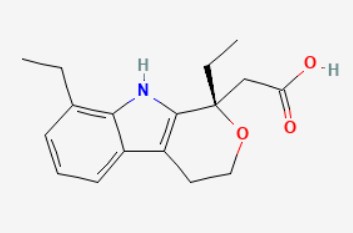
Paracetamol is a well-established analgesic.
Chemical Name: N-(4-hydroxyphenyl)acetamide
Molecular Formula: C8H9NO2
Molecular Weight: 151.2 g/mol
Structure:
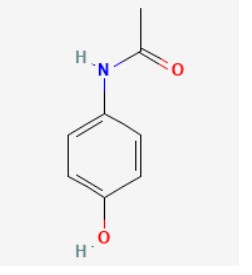
8.0 Pharmaceutical particulars
8.1 Incompatibilities
None
8.2 Shelf life
Refer on the pack.
8.3 Packaging Information
PVC-Alu blister strip of 10 tablets
8.4 Storage and handling instructions
Store below 30ºC. Protect from light and moisture. Keep out of reach of children. Tablet should be swallowed whole & not to be broken, chewed or crushed.
Any unused product or waste material should be disposed of in accordance with local requirements.
9.0 Patient Counselling Information
- Take it with food to avoid getting an upset stomach.
- The drug should be taken precisely as it has been prescribed. Meant for oral consumption, Setolac®-P Tablet should be taken whole. Do not chew or crush it as it may reduce its effect on the body.
- It is best that you do not stop the medication mid-course as the pain may reoccur. Complete the entire treatment course for the best results.
- Avoid consuming alcohol when taking Setola®-P Tablet as it may cause excessive drowsiness and increase the risk of liver damage.
- Do not take it with any other medicine containing acetaminophen (drugs for pain / fever or cough-and-cold) without asking your doctor first.
Read all of this leaflet carefully before you start taking this medicine because it contains important information for you.
Keep this leaflet. You may need to read it again. If you have any further questions, please ask your doctor or pharmacist. This medicine has been prescribed for you. Do not pass it on to others. It may harm them, even if their signs of illness are the same as yours. If you get any side effects, talk to you doctor or pharmacist. This includes any possible side effects not listed in this leaflet. See section 4.
What is in this leaflet:
1.What Setolac®-P Tablets is and what it is used for
2.What you need to know before you take Setolac®-P Tablets
3.How to take Setolac®-P Tablets
4.Possible side effects
5.How to store Setolac®-P Tablets
6.Contents of the pack and other information
1. What Setolac®-P Tablets is and what it is used for
Setolac®-P is one of a group of medicines called "non-steroidal anti-inflammatory drugs" (NSAIDs) which are usually taken to relieve the pain, stiffness, inflammation and swelling which is often associated with arthritis.
Setolac®-P Tablets is used to treat the symptoms of rheumatoid arthritis, osteoarthritis and ankylosing spondylitis by reducing inflammation, swelling, stiffness, and joint pain.
Each tablet contains 200mg of the S (+) Etodolac and 325mg of Paracetamol. S (+) Etodolac is the pharmacologically active component of racemate Etodolac. S (+) Etodolac has anti-inflammatory, analgesic, and antipyretic activities. Paracetamol works by relieving pain and reducing high temperature and fever. It is for effective relief from: mild to moderate pain including headache, migraine, sharp nerve pain (neuralgia), toothache, sore throat, period pains, aches and pain, symptomatic relief of rheumatic aches and pains, influenza symptoms, feverishness and feverish colds.
2. What you need to know before you take Setolac®-P Tablets
DO NOT take Setolac®-P Tablets if you:
- If you are allergic to etodolac or paracetamol or any of the other ingredients of this medicine (listed in section 6)
- If you have severe heart failure
- If you have a peptic ulcer (a small erosion or hole in the stomach or duodenum) or bleeding in your stomach, or have had two or more episodes of peptic ulcers, stomach bleeding or perforation.
- If you have had an allergic reaction or asthmatic type reaction (e.g., wheezing, itching or skin rash) after taking aspirin, Setolac®-P Tablets or another NSAID
- If you have hepatic failure and renal failure
- If you are pregnant, think you may be pregnant or are breast feeding
- If you have severe hepatocellular insufficiency
Warnings and Precautions
Talk to your doctor or pharmacist before taking Setolac®-P Tablets.
- If you suffer from kidney, heart or liver disease (including alcoholic liver disease), or a blood disorder, especially if you are also taking diuretics (water tablets). The dose should be as low as possible and you should have regular checks
- If you are already on long-term therapy with a medicine other than Setolac®-P Tablets, since your doctor will want to arrange regular check-ups, especially if you are elderly
- If you suffer from fluid retention (swelling of legs, ankles or feet)
- If you suffer from high blood pressure or heart failure
- If you suffer from, or have ever suffered from, asthma or breathing difficulties
- If you have heart problems, previous stroke or think that you might be at risk of these conditions (for example if you have high blood pressure, diabetes or high cholesterol or are a smoker)
- If you suffer from G-6-PD deficiency (a hereditary condition leading to low red blood cell counts).
Medicines such as Setolac®-P Tablets may be associated with a small increased risk of heart attack (myocardial infarction) or stroke. Any risk is more likely with high doses and prolonged treatment. Do not exceed the recommended dose or duration of treatment.
If you have heart problems, previous stroke or think that you might be at risk of these conditions (for example if you have high blood pressure, diabetes or high cholesterol or are a smoker) you should discuss your treatment with your doctor or pharmacist.
Serious gastrointestinal side effects such as bleeding, ulceration and perforation can occur at any time with or without warning symptoms in patients treated with NSAIDs. If any sign of gastrointestinal bleeding occurs, Setolac®-P Tablets should be stopped immediately.
Children
Setolac®-P Tablets is not recommended for use in children.
Other medicines and Setolac®-P Tablets
Tell your doctor if you are taking, have recently taken or might take any other medicines. Tell your doctor if you are taking:
- Warfarin - for blood thinning
- Cyclosporin - following transplantation
- Digoxin - for heart problems
- Lithium - for mental illness
- Methotrexate - used to treat conditions such as psoriasis or rheumatoid arthritis
- Corticosteroids (such as prednisolone)
- Quinolone antibiotics e.g. ciprofloxacin
- Aspirin
- Other NSAIDs - ibuprofen, naproxen, diclofenac
- Drugs to control high blood pressure
- Mifepristone (a drug to induce abortion) in the last 12 days
- Warfarin
- Antibiotics (chloramphenicol)
- anti-sickness treatments (metoclopramide, domperidone)
- treatments for diarrhoea caused by gall bladder disease
- lipid lowering drugs (cholestyramine).
If you have a blood or urine test, tell your doctor that you are taking Setolac®-P Tablets, as the drug may affect the results.
Pregnancy, breast-feeding and fertility
If you are pregnant or breast-feeding, think you may be pregnant or are planning to have a baby, ask your doctor or pharmacist for advice before taking this medicine. You should inform your doctor if you have problems becoming pregnant. NSAIDs may make it more difficult to become pregnant.
Do not take Setolac®-P Tablets if you are in the last 3 months of pregnancy as it could harm your unborn child or cause problems at delivery. It can cause kidney and heart problems in your unborn baby. It may affect your and your baby’s tendency to bleed and cause labour to be later or longer than expected. You should not take Setolac®-P Tablets during the first 6 months of pregnancy unless absolutely necessary and advised by your doctor. If you need treatment during this period or while you are trying to get pregnant, the lowest dose for the shortest time possible should be used. If taken for more than a few days from 20 weeks of pregnancy onward, Setolac®-P Tablets can cause kidney problems in your unborn baby that may lead to low levels of amniotic fluid that surrounds the baby (oligohydramnios) or narrowing of a blood vessel (ductus arteriosus) in the heart of the baby. If you need treatment for longer than a few days, your doctor may recommend additional monitoring.
Setolac®-P Tablets should not be used if you are breast-feeding. It is not known if this medicine passes into breast milk. It is not recommended for use during breast-feeding unless considered essential by your doctor.
Driving and using machines
Setolac®-P may cause dizziness. So, you should not drive or operate heavy machinery if you feel dizzy or not fully alert.
3. How to take Setolac®-P Tablets
Always take Setolac®-P Tablets exactly as your doctor told you. Check with your doctor or pharmacist if you are not sure. Check the pharmacist's label for the dose recommended for you.
The recommended adult dose is one Setolac®-P tablet twice a day.
The tablet should be swallowed whole with a glass of water. Take with or after food. Do not chew or crush the tablet. Setolac®-P Tablets is not recommended for use in children.
If you take more Setolac®-P Tablets than you should
If you take more tablets than you should (an overdose), seek medical attention immediately. Always take the bottle (or packaging) with you, even if empty. Symptoms of overdose include headache, feeling sick, vomiting, stomach pain, passing blood in faeces or passing black tarry stools. On rare occasions diarrhoea, disorientation, excitation, coma, drowsiness, dizziness, ringing in the ears, fainting, and convulsive fitting may occur. In cases of significant overdose kidney failure and liver damage are possible. In some cases, irregular heartbeat and inflammation of the pancreas is also reported.
If you forget to take Setolac®-P Tablets
Do not take a double dose to make up for the forgotten dose. Take your tablet as soon as you remember and continue to take your medicine as usual, but do not take more than one tablet a day.
4. Possible side effects
Like all medicines, this medicine can cause side effects, although not everybody gets them.
The most serious side effects that may occur with Setolac®-P Tablets are serious allergic or hypersensitivity reactions, heart failure, stroke, kidney failure, liver failure, inflammation of the pancreas and aseptic meningitis. If you suffer from any of the symptoms described below: stop taking Setolac®-P Tablets and call a doctor straight away.
Allergic or hypersensitivity reactions may have the following symptoms: wheezing, difficulty breathing or shortness of breath, swelling of the face, lips, mouth or tongue extensive rash, peeling or blistering of the skin, continuous itching.
Heart and blood circulatory disorders symptoms: Chest pain, high blood pressure, swelling of the ankles, palpitations (throbbing of heart), several types of anaemia or other blood disorders, unexpected bruising and bleeding.
Stomach and bowel (gastrointestinal) problems: If you Pass blood in your faeces (stools/motions) Pass black tarry stools. Vomit any blood or dark particles that look like coffee grounds.
Kidney failure symptoms: Difficulty or pain when passing urine, discolouration of urine or urinating more or less often than usual.
Liver failure and inflammation of the pancreas symptoms: Jaundice (yellowing of the eyes or skin), abdominal pain, abnormal liver function test results.
Aseptic Meningitis symptoms
A serious rare condition known as aseptic meningitis may occur in patients with other auto-immune conditions such as systemic lupus erythematosus or mixed connective tissue disease. The symptoms of aseptic meningitis are: a very high temperature, being sick, a headache, a blotchy rash that does not fade when a glass is rolled over it (this may not develop), a stiff neck, a dislike of bright lights, drowsiness and fits.
Other reported side effects are:
Sensory disorders such as headache, ringing or buzzing in ears, dizziness, abnormal vision, hallucinations, tingling, pricking and burning of the skin (pins and needles) and vertigo (a sensation that objects are moving or spinning). Gastrointestinal problems such as mouth ulcers, sore mouth, nausea, vomiting, stomach upsets, diarrhoea, constipation, wind, heartburn, indigestion. Skin disorders such as swelling of tissues, itching of the skin, rash, redness. General disorders such as fever, drowsiness, tiredness, weakness, sleeplessness, shaking, nervousness, depression, confusion. Occasionally the blood does not clot well, which may result in easy bruising or bleeding. Rarely, a severe reduction in the number of white blood cells, which makes infections more likely.
Other rare side effects like shortness of breath
If any of the side effects become serious, or if you notice any side effects not listed in this leaflet, please tell your doctor or pharmacist.
Reporting of side effects
If you get any side effects, talk to your doctor, pharmacist or nurse. This includes any possible side effects not listed in this leaflet. You can also report side effects directly: Website: www.zuventus.co.in and click the tab “Safety Reporting” located on the top end of the home page.
By reporting side effects, you can help provide more information on the safety of this medicine. You can also report the side effect with the help of your treating physician
5. How to store Setolac®-P Tablets
Keep out of reach of children. Protect from light and moisture. Setolac®-P Tablets should be kept at room temperature (below 300C).
6. Contents of the pack and other information
What Setolac®-P Tablets contains
Each uncoated tablet contains
S (+) Etodolac 200 mg
Paracetamol IP 325 mg
Excipients q.s.
What Setolac®-P Tablets looks like and contents of the pack
For More Information About This Product
Soventus®-dx Syrup
1.0 Generic Name
Chlorpheniramine Maleate & Dextromethorphan Hydrobromide syrup
2.0 Qualitative and quantitative composition
Each 5 ml Contains:
Dextromethorphan Hydrobromide IP 10 mg
Chlorpheniramine maleate IP 2 mg
Excipients q. s.
Colour: Sunset Yellow FCF
In a mentholated flavoured syrup base
3.0 Dosage form and strength
Syrup
100 ml bottle
4.0 Clinical particulars
4.1 Therapeutic Indication
For the temporary relief of cough due to throat irritation, sneezing & running nose.
4.2 Posology and method of administration
2 to 5 years of age: 2.5 ml (1/2 teaspoonful) 3 to 4 times a day.
6 to 12 years of age: 5 ml (1 teaspoonful) 3 to 4 times a day.
Adult (> 12 years of age): 10 ml (2 teaspoonful) 3 to 4 times a day.
4.3 Contraindications
- Hypersensitivity to Chlorpheniramine, Dextromethorphan or to any component of the formulation.
- Receiving monoamine oxidase inhibitors [MAOIs] (drugs for depression, psychiatric or emotional conditions, or Parkinson's disease) with or within 2 weeks.
- Patients with risk of developing respiratory failure
- Acute Asthma
- Patient with liver disease
- Persistent or chronic productive cough
4.4 Special warnings and precautions for use
Chlorpheniramine maleate
This medicine should be given with caution to patients with epilepsy, severe cardiovascular disorders, liver disorders, renal impairment, glaucoma, urinary retention, prostatic enlargement, pyloroduodenal obstruction, asthma, bronchitis, bronchiectasis, thyrotoxicosis and severe hypertension.
Special care should be taken when using chlorpheniramine maleate in children and the elderly as they are more likely to experience the neurological anticholinergic effects and paradoxical excitation (e.g. Increased energy, restlessness, nervousness). Avoid use in elderly patients with confusion.
The anticholinergic properties of chlorphenamine may cause drowsiness, dizziness, blurred vision and psychomotor impairment in some patients which may seriously affect ability to drive and use machinery. The effects of alcohol may be increased and therefore concurrent use should be avoided.
Should not be used with other antihistamine containing products, including antihistamine containing cough and cold medicines.
Concurrent use with drugs which cause sedation such as anxiolytics and hypnotics may cause an increase in sedative effects, therefore medical advice should be sought before taking chlorphenamine concurrently with these medicines.
Dextromethorphan Hydrobromide
Dextromethorphan should not be given to patients at risk of developing respiratory failure. Caution is needed in patients with a history of asthma and it should not be given during an acute attack. Care is also advisable in patients with bronchitis, emphysema, or in other conditions where chronic or persistent cough occurs.
4.5 Drugs interactions
Chlorpheniramine maleate
This medicine may enhance the sedative effects of alcohol, hypnotics, anxiolytics, sedatives, opioid analgesics and neuroleptics.
The anti-muscarinic effects of chlorpheniramine are enhanced by other anti-muscarinic drugs and both anti-muscarinic and sedative effects are enhanced by monoamine oxidase inhibitors and tricyclic antidepressants.
Metabolism of phenytoin may be inhibited by chlorpheniramine with the possible development of phenytoin toxicity.
Dextromethorphan Hydrobromide
Monoamine Oxidase Inhibitors (MAOIs): Dextromethorphan should not be used concurrently in patients taking monoamine oxidase inhibitors (MAOIs) or within 14 days of stopping treatment with MAOIs as there is a risk of serotonin syndrome (pyrexia, hallucinations, gross excitation or coma, hypertension, arrhythmias).
CYP2D6 inhibitors: Dextromethorphan is metabolized by CYP2D6 and has an extensive first-pass metabolism. Concomitant use of potent CYP2D6 enzyme inhibitors can increase the dextromethorphan concentrations in the body to levels multi-fold higher than normal. This increases the patient's risk for toxic effects of dextromethorphan (agitation, confusion, tremor, insomnia, diarrhoea and respiratory depression) and development of serotonin syndrome. Potent CYP2D6 enzyme inhibitors include SSRIs such as fluoxetine and paroxetine, quinidine and terbinafine. In concomitant use with quinidine, plasma concentrations of dextromethorphan have increased up to 20-fold, which has increased the CNS adverse effects of the agent. Amiodarone, flecainide and propafenone, sertraline, bupropion, methadone, cinacalcet, haloperidol, perphenazine and thioridazine also have similar effects on the metabolism of dextromethorphan. If concomitant use of CYP2D6 inhibitors and dextromethorphan is necessary, the patient should be monitored and the dextromethorphan dose may need to be reduced.
CNS depressants: Dextromethorphan might exhibit additive CNS depressant effects when co-administered with alcohol, antihistamines, psychotropics, and other CNS depressant drugs.
4.6 Use in special populations
Pregnant Women
There are no adequate and well-controlled studies of this combination in pregnant women. There are no adequate controlled studies of chlorpheniramine in pregnant women and therefore should not be used during pregnancy. There are no adequate and well-controlled studies of Dextromethorphan in pregnant women. Dextromethorphan should not be used during pregnancy or lactation unless the potential benefit of treatment to the mother outweighs the possible risk to the developing foetus or nursing infant.
Caution is advised when Soventus®-DX Syrup is used during pregnancy.
Lactating Women
Chlorpheniramine may be secreted in breast milk. Hence, it is not recommended in nursing mothers because of the risk of adverse effects, such as unusual excitement or irritability in infants. Chlorpheniramine may also inhibit lactation. It is not known whether dextromethorphan or its metabolites are excreted in breast milk. A decision should be made whether to discontinue nursing or to discontinue the drug, taking into account the importance of the drug to the mother.
Paediatric Patients
Safety and efficacy of this formulation in neonates and children below 2 years of age has not been established. Thus, Soventus®-DX Syrup is not recommended for use in paediatric patients below 2 years of age.
Geriatric Patients
The elderly patients taking Chlorpheniramine are more likely to experience neurological anticholinergic effects. Elderly patients with normal renal and hepatic function may be given the same dose as recommended for adults. Elderly patients are more likely to have decreased renal function, care should be taken in dose selection, and it may be useful to monitor renal function.
Renal Impairment Patients
Caution should be exercised while using Soventus®-DX syrup in patients with significant renal dysfunction. Dose should be reduced or the dosing interval must be extended in patients with severe renal impairment.
Hepatic Impairment Patients
In hepatic impairment, Soventus®-DX syrup should be used with caution.
4.7 Effects on ability to drive and use machines
Soventus®-DX Syrup may cause side effects which could affect your ability to drive. Chlorpheniramine may cause blurred vision, dizziness, drowsiness and interfere with human performance and therefore may seriously influence the ability to drive and operate machinery. Dextromethorphan can impair cognitive function and can affect a patient's ability to drive safely.
4.8 Undesirable Effects
Chlorpheniramine maleate
Adverse reactions identified during post-marketing use with chlorphenamine are listed below. As these reactions are reported voluntarily from a population of uncertain size, the frequency of some reactions is unknown but likely to be rare or very rare:
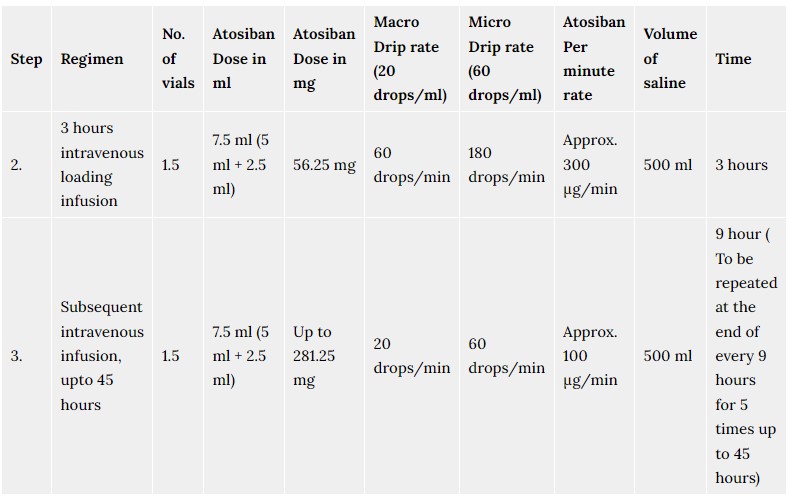
Children and the elderly are more susceptible to neurological anticholinergic effects and paradoxical excitation (e.g. increased energy, restlessness, nervousness)
Dextromethorphan Hydrobromide
ADRs are presented by frequency category based on 1) incidence in adequately designed clinical trials or epidemiology studies, if available, or 2) when incidence cannot be estimated, frequency category is listed as 'Not known’.


frequency category is listed as 'Not known’.
Reporting of suspected adverse reactions
Reporting suspected adverse reactions after authorisation of the medicinal product is important. It allows continued monitoring of the benefit / risk balance of the medicinal product. Healthcare professionals are asked to report any suspected adverse reactions via email to: medico@zuventus.com
Website : http://www.zuventus.co.in/safety.aspx
By reporting side effects, you can help provide more information on the safety of this medicine.
4.9 Overdose
The estimated lethal dose of chlorphenamine is 25 to 50mg/kg body weight. Symptoms and signs include sedation, paradoxical excitation of the CNS, toxic psychosis, convulsions, apnoea, anticholinergic effects, dystonic reactions and cardiovascular collapse including arrhythmias. Symptomatic and supportive measures should be provided with special attention to cardiac, respiratory, renal and hepatic functions and fluid and electrolyte balance. If overdosage is by the oral route, treatment with activated charcoal should be considered provided there are no contraindications for use and the overdose has been taken recently (treatment is most effective if given within an hour of ingestion.) Treat hypotension and arrhythmias vigorously. CNS convulsions may be treated with i.v. diazepam. Haemoperfusion may be used in severe cases.
Dextromethorphan is thought to be of low toxicity, but the effects in overdosage will be potentiated by simultaneous ingestion of alcohol and psychotropic drugs. Symptoms of overdose may include mydriasis, nausea and vomiting, CNS depression, excitation, lethargy, nystagmus, psychomotor hyperactivity, serotonin syndrome, somnolence (drowsiness), dizziness, dysarthria (slurred speech), mental confusion, psychotic disorder (psychosis), and respiratory depression. Treatment should be symptomatic and supportive. Gastric lavage may be of use. Naloxone has Patients should be kept under observation and symptomatic and supportive treatment is advised. been used successfully to reverse central or peripheral opioid effects of dextromethorphan in children (0.01mg/kg body weight).
5.0 Pharmacological properties
5.1 Mechanism of Action
Chlorpheniramine maleate
Chlorpheniramine is a first-generation alkylamine antihistamine. It is a less sedating H1 blocker with autonomic effects (anti-cholinergic action), used in the prevention of the symptoms of allergic conditions such as rhinitis.
Dextromethorphan Hydrobromide
Dextromethorphan (D-3-methoxy-N-methylmorphinan) is the D-isomer of the codeine analog methorphan. It is an antitussive drug and one of the active ingredients used to prevent coughs.
5.2 Pharmacodynamic properties
Chlorpheniramine maleate
Chlorphenamine is a potent antihistamine (H1-antagonist). Antihistamines diminish or abolish the actions of histamine in the body by competitive reversible blockade of histamine H1-receptor sites on tissues. Chlorphenamine also has anticholinergic activity. Antihistamines act to prevent the release of histamine, prostaglandins and leukotrienes and have been shown to prevent the migration of inflammatory mediators. The actions of chlorphenamine include inhibition of histamine on smooth muscle, capillary permeability and hence reduction of oedema and wheal in hypersensitivity reactions such as allergy and anaphylaxis.
Dextromethorphan Hydrobromide
Dextromethorphan is the dextrorotatory isomer of 3-methoxy-N-methyl-morphinan. It is a synthetic morphine derivative that, in contrast to its levo-rotatory isomer, has no significant analgesic, respiratory depressant or physical dependency properties at recommended doses.
Dextromethorphan is a non-opioid antitussive drug. It exerts its antitussive activity by acting on the cough centre in the medulla oblongata, raising the threshold for the cough reflex. The onset of antitussive effects are realised within 15 to 30 minutes of oral administration, lasting for approximately 3 to 6 hours.
The major metabolite of dextromethorphan, dextrorphan, binds with high affinity to σ-receptors to produce its antitussive activity without exhibiting the classic opiate effects that occur from binding into μ- and δ-receptors. Dextrorphan also exhibits binding activity at serotonergic receptors and was shown to enhance serotonin activity by inhibiting the reuptake of serotonin. In larger than therapeutic doses, dextrorphan is also an antagonist of N-methyl-D-aspartate (NMDA) receptors.
5.3 Pharmacokinetic properties
Chlorpheniramine maleate
Chlorpheniramine maleate is almost completely absorbed after administration by mouth, peak plasma concentrations occurring at about 2.5 to 6 hours. The drug is widely distributed including passage into the CNS, with a volume of distribution of between 1 and 10L/KG. About 70% of chlorpheniramine in the circulation is protein-bound. Chlorpheniramine undergoes some first pass metabolism and enterohepatic recycling. Chlorpheniramine is extensively metabolised, principally to inactive desmethylated metabolites which are excreted primarily in the urine, together with about 35% unchanged drug. Only trace amounts are excreted in the faeces. The mean elimination half-life has been reported to be about 30 hours, with mean values ranging from 2 to 43 hours.
Dextromethorphan Hydrobromide
Absorption: Dextromethorphan is rapidly absorbed from the gastrointestinal tract with peak plasma concentrations reached in approximately 2 to 2.5 hours. The low plasma levels of dextromethorphan suggest low oral bioavailability secondary to extensive first-pass (pre-systemic metabolism) in the liver. The maximum clinical effects occur 5 to 6 hours after ingestion of dextromethorphan.
Distribution: Dextromethorphan is widely distributed in the human body. Dextromethorphan and its active metabolite, dextrorphan, are actively taken up and concentrated in brain tissue. It is not known if dextromethorphan or dextrorphan are excreted in breast milk or cross the placenta.
Metabolism: Dextromethorphan undergoes rapid and extensive first-pass metabolism in the liver after oral administration. Genetically controlled O-demethylation (CYD2D6) is the main determinant of dextromethorphan pharmacokinetics in human volunteers. It appears that there are distinct phenotypes for this oxidation process resulting in highly variable pharmacokinetics between subjects. Unmetabolised dextromethorphan, together with the three demethylated morphinan metabolites dextrorphan (also known as 3-hydroxy-N-methylmorphinan), 3- hydroxymorphinan and 3-methoxymorphinan have been identified as conjugated products in the urine. Dextrorphan, which also has antitussive action, is the main metabolite. In some individuals metabolism proceeds more slowly and unchanged dextromethorphan predominates in the blood and urine.
Excretion: Dextromethorphan is primarily excreted via the kidney as unchanged parent drug and its active metabolite, dextrorphan. Dextrorphan and 3-hydroxy-morphinan are further metabolised by glucuronidation and are eliminated via the kidneys. The elimination half-life of the parent compound is between 1.4 to 3.9 hours; dextrorphan is between 3.4 to 5.6 hours. The half-life of dextromethorphan in poor metabolisers is extremely prolonged, in the range of 45 hours.
6.0 Nonclinical Properties
6.1 Animal Toxicology or Pharmacology
Chlorpheniramine maleate
The antihistaminic potency of chlorpheniramine is confined mainly to its (+)-isomer. The racemate is similarly or slightly more toxic because of the contribution of (-)-isomer. The toxicity may therefore be non-specific, perhaps attributable to local anaesthetic action and the toxic effects (excitation/sedation, coma, convulsions and death) resemble those of other classic H1antihistamines. Toxic doses may cause hypotension attributable to myocardial depression, an effect which is clearer with the (-)-isomer. The experimental data on the carcinogenicity and mutagenicity of chlorpheniramine indicate lack of these adverse effects, but the racemate and the (+)-isomer have shown some embryotoxicity in fertility tests. Effective antihistaminic concentrations of chlorpheniramine in vitro are about 1-10µg/L and oral doses of 0.2-1 mg/kg antagonise histamine-induced bronchospasm in guinea pigs.
Dextromethorphan Hydrobromide
General toxicology: Acute oral toxicity studies conducted with Dextromethorphan report the following LD50 values (mg/kg): mouse, 210 and rat, 116. Acute subcutaneous toxicity with Dextromethorphan reports the LD50 value (mg/kg): mouse, 112. Acute intravenous toxicity with Dextromethorphan reports the LD50 value (mg/kg): rat, 16.3.
Repeat dose toxicity studies conducted in rats for 13-week duration at doses up to 100 mg/kg and 27 weeks at 10 mg/kg, and of 14 weeks in dogs by oral gavage at doses up to 4 mg/kg on five days per week. The only effect recorded was of reduced body weight gain in the rat 13-week study at the highest dose.
Genetic Toxicology: Dextromethorphan hydrobromide was negative in the bacterial reverse mutation assay (Ames test). Dextromethorphan 39 mg/kg is reported to be negative in in-vivo mouse micronucleus test and comet assay. Dextromethorphan was reported to be negative in in vitro chromosome aberration assay tested up to 200 μg/ml.
Carcinogenicity: There are no known reports of animal carcinogenicity studies for Dextromethorphan. The overall weight of evidence for Dextromethorphan and its structural analogues, support the conclusion that this class of phenanthrene-based chemicals, and Dextromethorphan, in particular, are not genotoxic in vitro or in vivo
Teratogenicity: There was no association between dextromethorphan and malformations.
Fertility: Mating, gestation, fertility, littering and lactation were studied in rats at doses up to 50 mg/kg and no adverse effects were found.
7.0 Description
Each 5 ml of Soventus®-DX syrup contains 10 mg of Dextromethorphan hydrobromide and 2 mg of chlorpheniramine maleate for oral administration.
Chlorpheniramine maleate
Chlorphenamine is a potent antihistamine (H1-antagonist). Antihistamines diminish or abolish the actions of histamine in the body by competative reversible blockade of histamine H1-receptor sites on tissues. Chlorphenamine also has anticholinergic activity. Molecular Weight: 390.9 g/mol Molecular Formula: C16H19ClN2.C4H4O4 Chemical Name: (Z)-but-2-enedioic acid;3-(4-chlorophenyl)-N,N-dimethyl-3-pyridin-2-ylpropan-1-amine
Dextromethorphan Hydrobromide
Dextromethorphan is the dextrorotatory isomer of 3-methoxy-N-methyl-morphinan. It is a synthetic morphine derivative. Dextromethorphan is a non-opioid antitussive drug. It exerts its antitussive activity by acting on the cough centre in the medulla oblongata, raising the threshold for the cough reflex.
Molecular Weight: 352.3 g/mol
Molecular Formula: C18H26BrNO
Chemical Name:
(1S,9S,10S)-4-methoxy-17-methyl-17-azatetracyclo[7.5.3.01,10.02,7]heptadeca-2(7),3,5-triene;hydrobromide
8.0 Pharmaceutical particulars
8.1 Incompatibilities
Not applicable
8.2 Shelf life
Refer on Pack
8.3 Packaging information
100 ml bottle
8.4 Storage and handling information
Store in a cool & dark place. Keep out of reach of children
9.0 Patient Counselling Information
- Take exactly as directed by your doctor or on the label. Do not increase the dosage or take for longer than is recommended. Use a proper measuring cup or spoon to measure the dosage.
- If you are drowsy after taking Soventus®-DX Syrup, you should not drive or operate any machinery.
- Inform your doctor if you have a history of stomach ulcers or asthma.
- Inform your doctor if you are taking any other medications, e.g., anti-depressants.
- Consult your doctor if you do not see any improvement and have a cough for > 7 days.
- Avoid consuming alcohol while taking Soventus DX Syrup as it can cause excessive drowsiness.
Read all of this leaflet carefully before you start taking this medicine because it contains important information for you.
- Keep this leaflet. You may need to read it again.
- If you have any further questions, ask your doctor, pharmacist or nurse.
- This medicine has been prescribed for you only. Do not pass it on to others. It may harm them, even if their signs of illness are the same as yours.
- If you get any side effects, talk to your doctor, pharmacist or nurse. This includes any possible side effects not listed in this leaflet.
What is in this leaflet
1.What Soventus®-DX Syrup is and what it is used for
2.What you need to know before you take Soventus®-DX Syrup
3.How to take Soventus®-DX Syrup
4.Possible side effects
5.How to store Soventus®-DX Syrup
6.Contents of the pack and other information
1. What Soventus®-DX Syrup is and what it is used for
Soventus®-DX Syrup is a combination of Chlorpheniramine maleate & Dextromethorphan Hydrobromide. This medicine is used to help relieve dry, irritating coughs.
Dextromethorphan hydrobromide which is an antitussive to help stop persistent dry coughing. It works by reducing the activity of cough center in the brain. The other active ingredient is chlorphenamine maleate, an antihistamine which can help to relieve the symptoms of allergic reactions. It relieves allergic symptoms like runny nose, watery eyes, sneezing, throat irritation.
2. What you need to know before you take Soventus®-DX Syrup Do not take Soventus®-DX Syrup:
- If you are allergic to any of the ingredients of this medicine.
- If you are taking, or have taken in the last two weeks, drugs for depression known as Monoamine Oxidase Inhibitors (MAOIs).
- if you are taking selective serotonin re-uptake inhibitors (used to treat depression and anxiety such as fluoxetine, paroxetine and sertraline).
- If you have an acute asthma
- If you are taking other medicines containing antihistamines, including products for the relief of colds and coughs
- If you suffer from lung disease.
Warnings and precautions
Talk to your doctor, pharmacist or nurse before taking Soventus®-DX Syrup.
- If you suffer from epilepsy, heart or circulatory disease, liver problems, kidney disease.
- If you high blood pressure or glaucoma.
- If you have chronic bronchitis, emphysema or asthma or have had a cough for a few weeks or a cough with a lot of mucus (phlegm).
- If you are taking any other cough and cold medicines.
- If your child is prone to developing certain allergic reactions (e.g. atopic reactions).
- If you are or have ever been addicted to opioids, alcohol, prescription medicines, or illegal drugs.
- If you have previously suffered from withdrawal symptoms such as agitation, anxiety, shaking or sweating, when you have stopped taking alcohol or drugs.
- If you have been told by your doctor that you are a slow metabolizer of CYP2D6.
- If you are taking medicines such as certain antidepressants or antipsychotics this medicine may interact with these medicines and you may experience mental status changes (e.g. agitation, hallucinations, coma), and other effects such as body temperature above 38°C, increase in heart rate, unstable blood pressure, and exaggeration of reflexes, muscular rigidity, lack of coordination and/or gastrointestinal symptoms (e.g. nausea, vomiting, diarrhoea).
- If you are taking any other medicines, including: Certain drugs for depression such as norepinephrine-dopamine reuptake inhibitors (NDRI), which include bupropion.
- If you are taking Antipsychotics (drugs used to treat mood disorders such as haloperidol, thioridazine, perphenazine).
- If you are taking anti-arrhythmic agents (drugs used to treat an irregular heartbeat such as amiodarone, propafenone, quinidine and flecainide).
- If you are taking calcimimetic agents (drugs used to treat secondary hyperparathyroidism, elevated parathyroid hormone levels such as cinacalcet).
- Antifungals (terbinafine).
- If you are taking opioid analgesics (drugs used to relieve pain e.g. codeine, tramadol, morphine, methadone). If using antihistamines (drugs used to treat the symptoms of allergic reactions).
- If you have an overactive thyroid.
- If you have difficulty passing urine.
- If you have an obstruction in their intestine.
- If you have a rare blood disease called porphyria.
If any of these points apply to you now or in the past, talk to a doctor or pharmacist.
Tell your doctor immediately if during treatment you suffer from
hypersensitivity reactions (itchiness, redness of the skin, hives, swelling of the face, lips, mouth, tongue or throat)
Other medicines and Soventus®-DX Syrup
Tell your doctor if you are taking or have taken the following medications.
Chlorpheniramine may enhance the sedative effects of alcohol, hypnotics, anti- anxiety, sedatives, opioid analgesics and neuroleptics.
Dextromethorphan should not be used concurrently in patients taking monoamine oxidase inhibitors (MAOIs) or within 14 days of stopping treatment with MAOIs as there is a risk of serotonin syndrome (pyrexia, hallucinations, gross excitation or coma, hypertension, arrhythmias).
Dextromethorphan might exhibit additive CNS depressant effects when co-administered with alcohol, antihistamines, psychotropics, and other CNS depressant drugs.
Pregnancy, breast-feeding
Do not take this medicine, if you are pregnant or breast-feeding, think you may be pregnant or planning to have a baby, ask your doctor or pharmacist for advice before taking this medicine.
Geriatric Population
Talk to your doctor or pharmacist before you take this syrup as you may be more likely to get side effects including confusion and you may need to take a lower daily dose.
Pediatric population
Not recommended for children below 2 years of age.
Renal Insufficiency
Caution should be exercised while using Soventus®-DX syrup in patients with significant renal dysfunction. Dose should be reduced or the dosing interval must be extended in patients with severe renal impairment.
Hepatic Insufficiency
Caution should be exercised in patients with moderate to severe and liver disease.
Driving and using machines
This medicine can affect your ability to drive. Do not drive whilst taking this medicine until you know how this medicine affects you. It may be an offence to drive when taking this medicine if your ability to drive safely is affected.
3. How to take Soventus®-DX Syrup
Check the seal is not broken before first use. If it is, do not give the medicine. Always use the measuring cup supplied with the pack.
2 to 5 years of age: 2.5 ml (1/2 teaspoonful) 3 to 4 times a day. 6 to 12 years of age: 5 ml (1 teaspoonful) 3 to 4 times a day. Adult (> 12 years of age): 10 ml (2 teaspoonful) 3 to 4 times a day. Do not take more than 4 doses in 24 hours. If symptoms persist or worsen, talk to your doctor or pharmacist.
If you take more Soventus®-DX Syrup than you should
If anyone has too much intake, contact a doctor or your nearest accident and emergency department (casualty) taking this leaflet and pack with you. If you take more of this medicine than you should, you may experience the following symptoms: nausea and vomiting, involuntary muscle contractions, agitation, confusion, somnolence, disturbances in consciousness, involuntary and rapid eye movements, cardiac disorders (rapid heart beating), coordination disorders, psychosis with visual hallucinations, and hyperexcitability. Also, other types of hallucinations, psychotic disorders, seizures, clumsiness, dizziness, speech problems, lack of energy, high blood pressure, tremor, or constricted or dilated pupils. Tell your doctor or emergency department in hospital immediately.
If you forget to take Soventus®-DX Syrup
If you forget a dose, do not worry. Just wait until the next dose is due. Do not take a double dose to make up for a forgotten dose.
If you stop taking Soventus®-DX Syrup
Unless your doctor instructs you to stop treatment, it is important to continue taking Soventus®-DX Syrup. If you stop and your original symptoms come back tell your doctor or pharmacist immediately.
If you have any further questions on the use of this medicine, ask your doctor, pharmacist or nurse.
4. Possible side effects
Like all medicines, this medicine can cause side effects, although not everybody gets them Tell your doctor, nurse or pharmacist immediately if you notice any of these side effects during your treatment with Soventus®-DX Syrup:
- Drowsiness and sedation are very common side effects with chlorpheniramine. Other common side effects include disturbance in concentrating, un-coordination, dizziness, headaches, blurred vision, feeling or being sick, dry mouth, fatigue.
- Dextromethorphan may cause side effect such as swelling of the face, lips, mouth, tongue or throat which may cause difficulty in swallowing or breathing, fits.
Reporting of side effects
If you get any side effects, talk to your doctor, pharmacist or nurse. This includes any possible side effects not listed in this leaflet. You can also report side effects directly: Website: www.zuventus.co.in and click the tab “Safety Reporting” located on the top end of the home page.
By reporting side effects, you can help provide more information on the safety of this medicine. You can also report the side effect with the help of your treating physician.
5. How to store Soventus®-DX Syrup
Store in a cool & dark place. Keep out of reach of children. Do not freeze.
6. Contents of the pack and other information
What Soventus®-DX Syrup contains:
Each 5 ml Contains: Dextromethorphan Hydrobromide IP 10 mg
Chlorpheniramine maleate IP 2 mg
Excipients q. s.
Colour: Sunset Yellow FCF In a mentholated flavoured syrup base
Pack size: 100 ml Bottle